
WELCOME TO WestchesterTERMITE DEFENSE
Termite Exterminators in Westchester, FL
Termites thrive in South Florida’s heat and humidity. Our local specialists use advanced detection and treatment to stop active infestations and protect your home year-round.
Feedback
60k

Our service
Effective termite protection for a damage-free home.
Expert termite solutions for long-lasting home protection.
Termites are a serious threat in Westchester’s humid climate. Our certified specialists use industry-leading technology to detect, eliminate, and prevent termite activity—keeping your home protected year-round.

Years experience
Advanced termite treatment tailored to Westchester homes.
Family-safe and pet-safe solutions that protect without harsh chemicals.
Local experts with deep knowledge of Florida’s toughest termite species.
What we offer
Your trusted partner for complete termite & pest protection

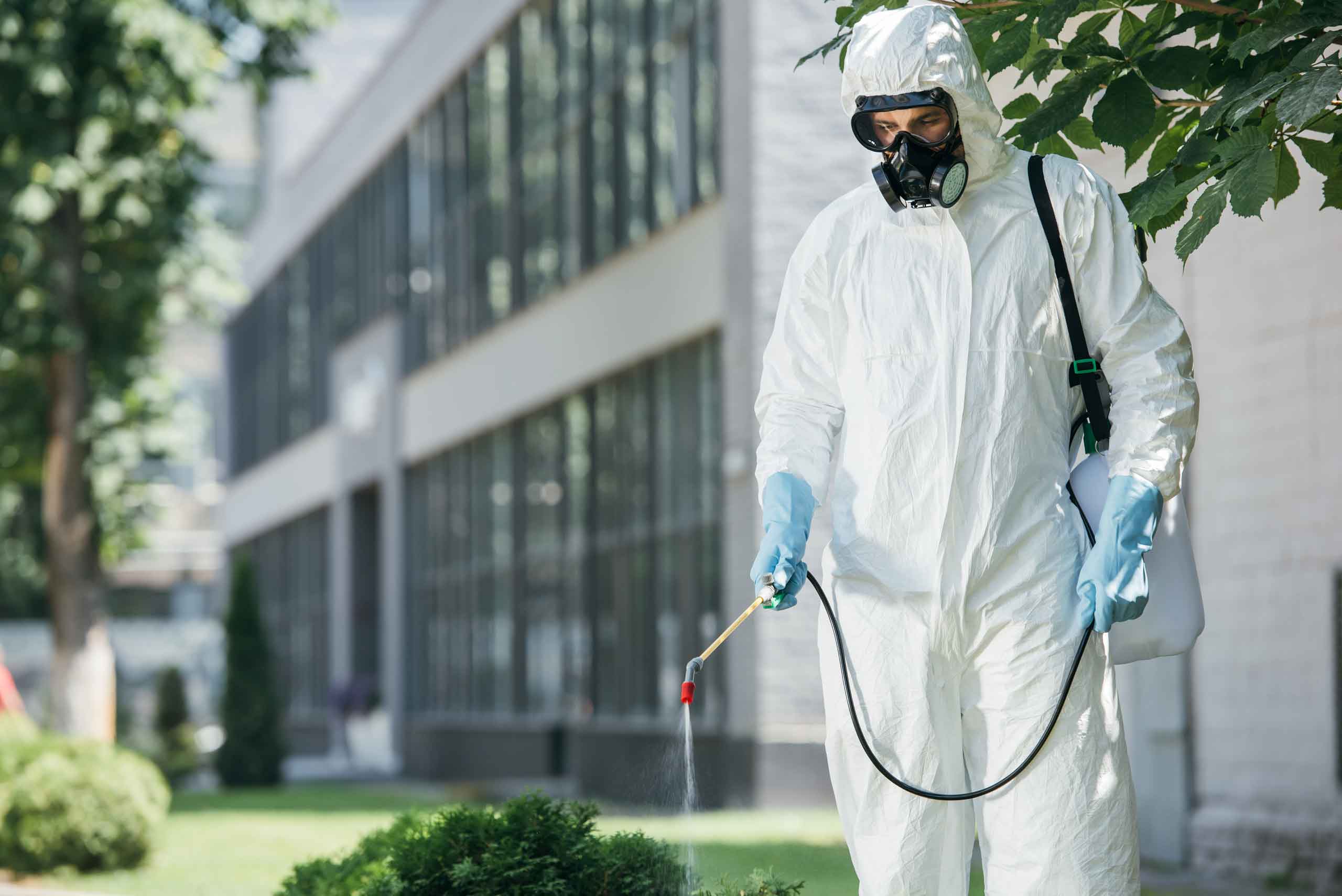
Comprehensive termite inspections using advanced detection tools to identify hidden activity and structural risks.
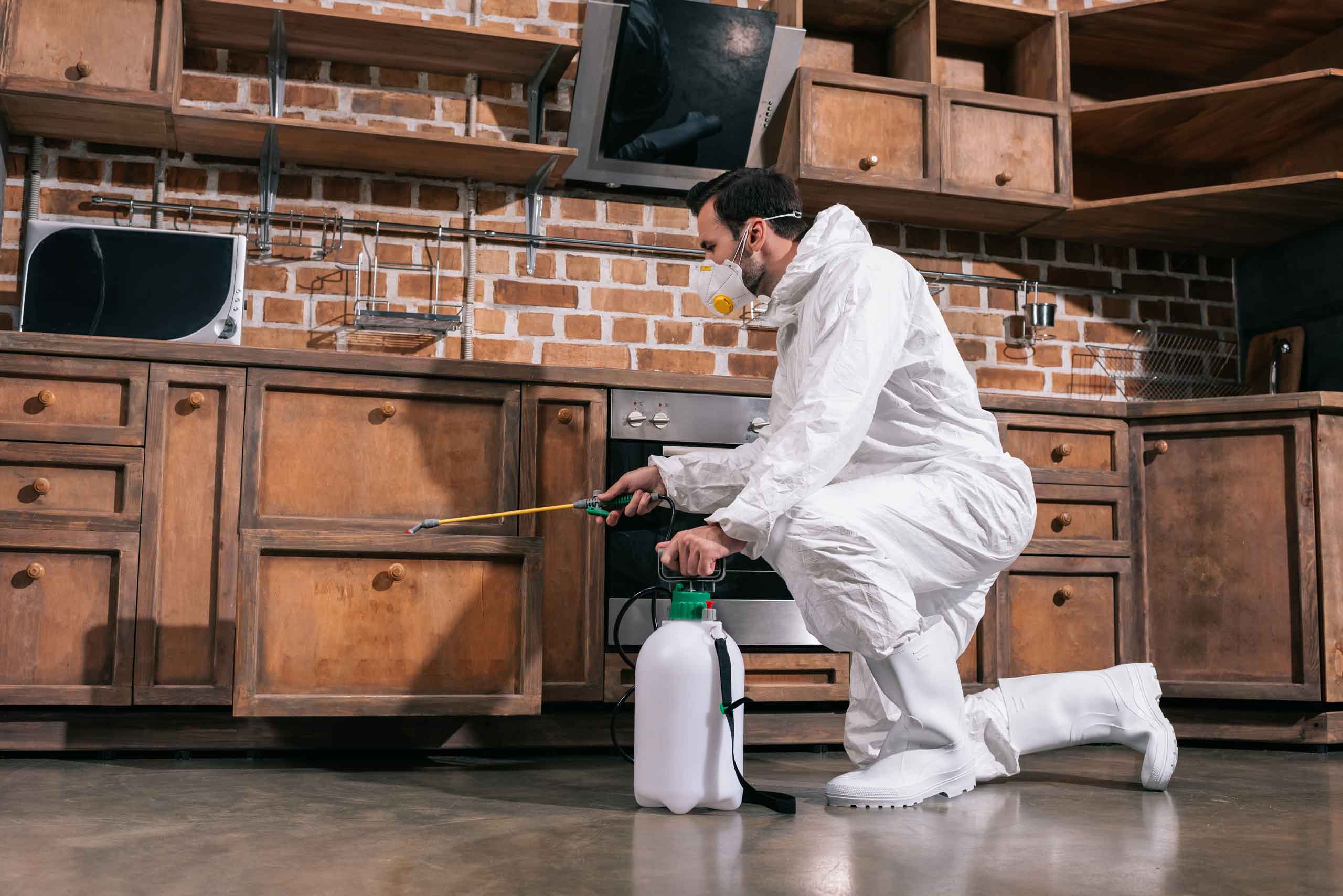
Targeted treatments designed to eliminate active termite colonies and protect your home from further damage.
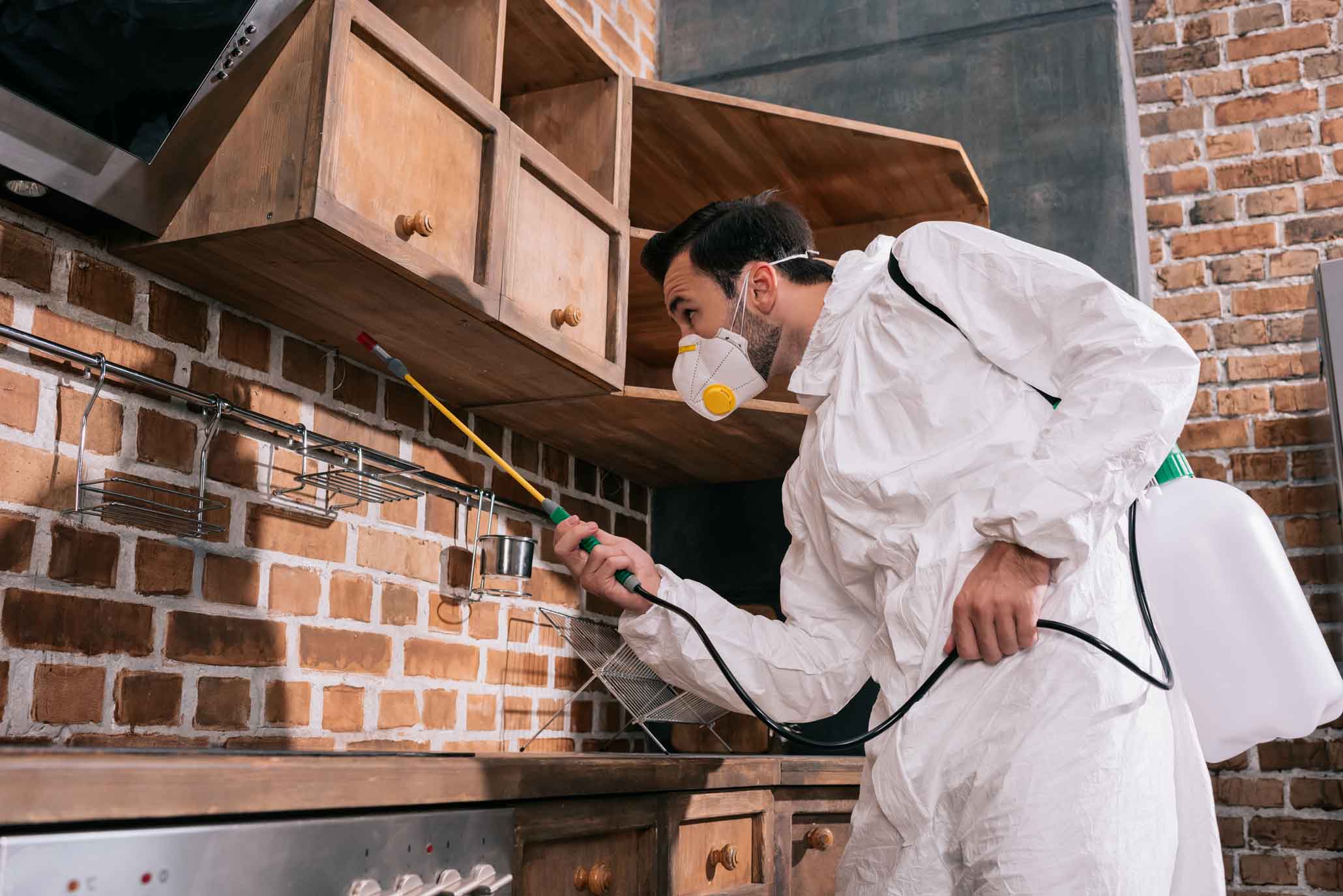
Long-lasting protection through soil treatments, baiting systems, and preventative barriers tailored to Westchester homes.
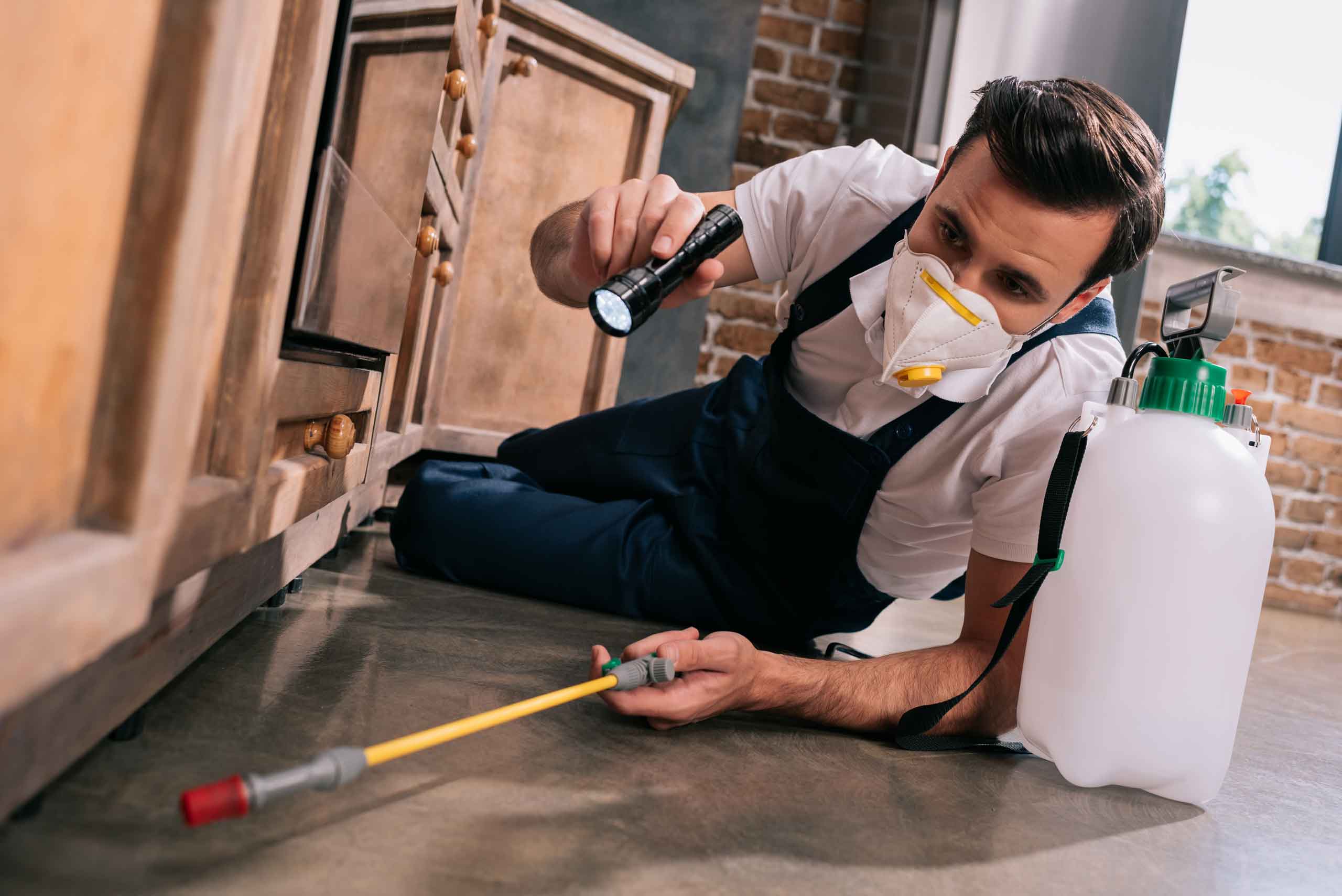
Full-structure fumigation for severe infestations, delivering complete removal of termites and wood-destroying pests.
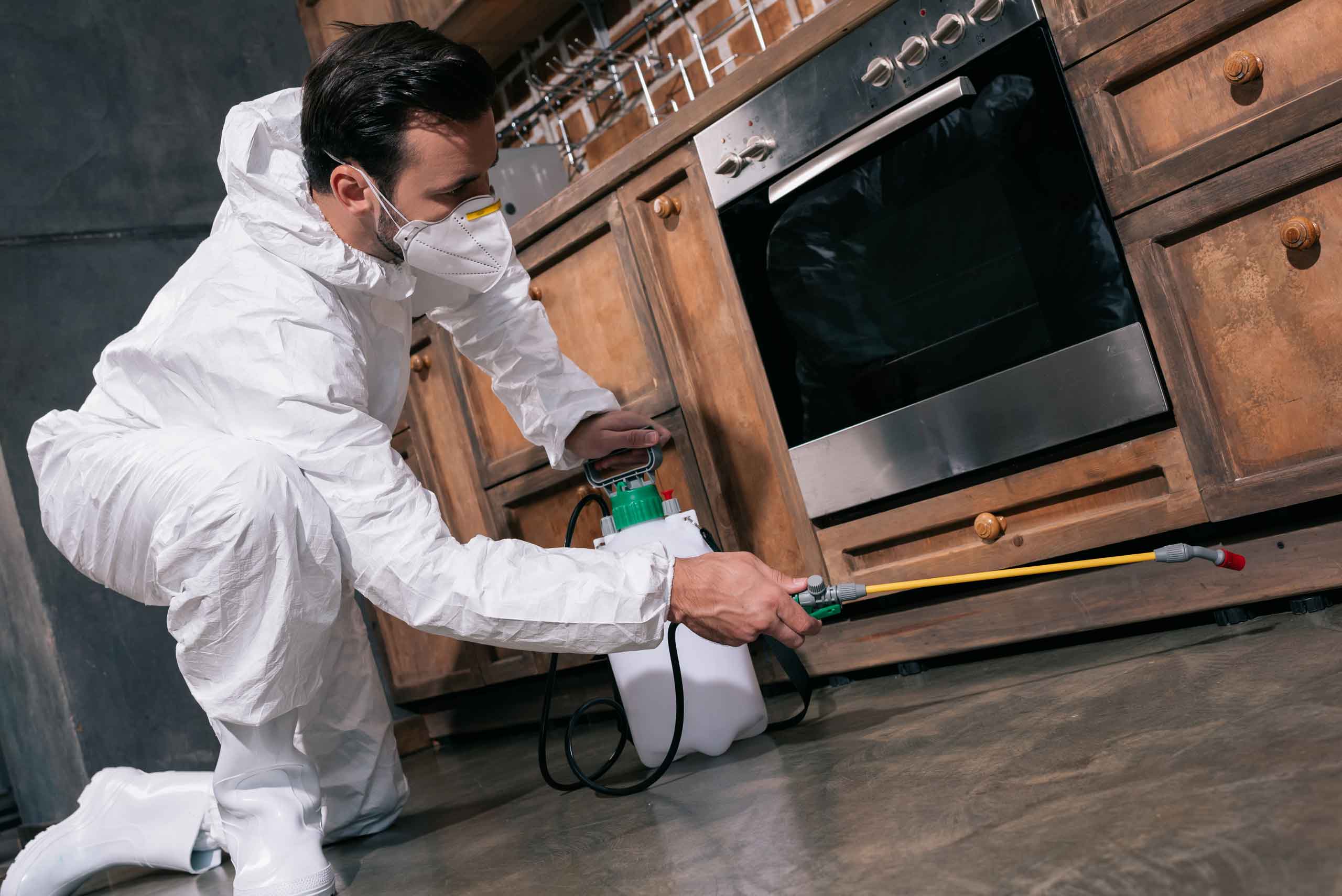
Fast and effective removal of ants, roaches, rodents, spiders, and other common Westchester pests—safe for families and pets.
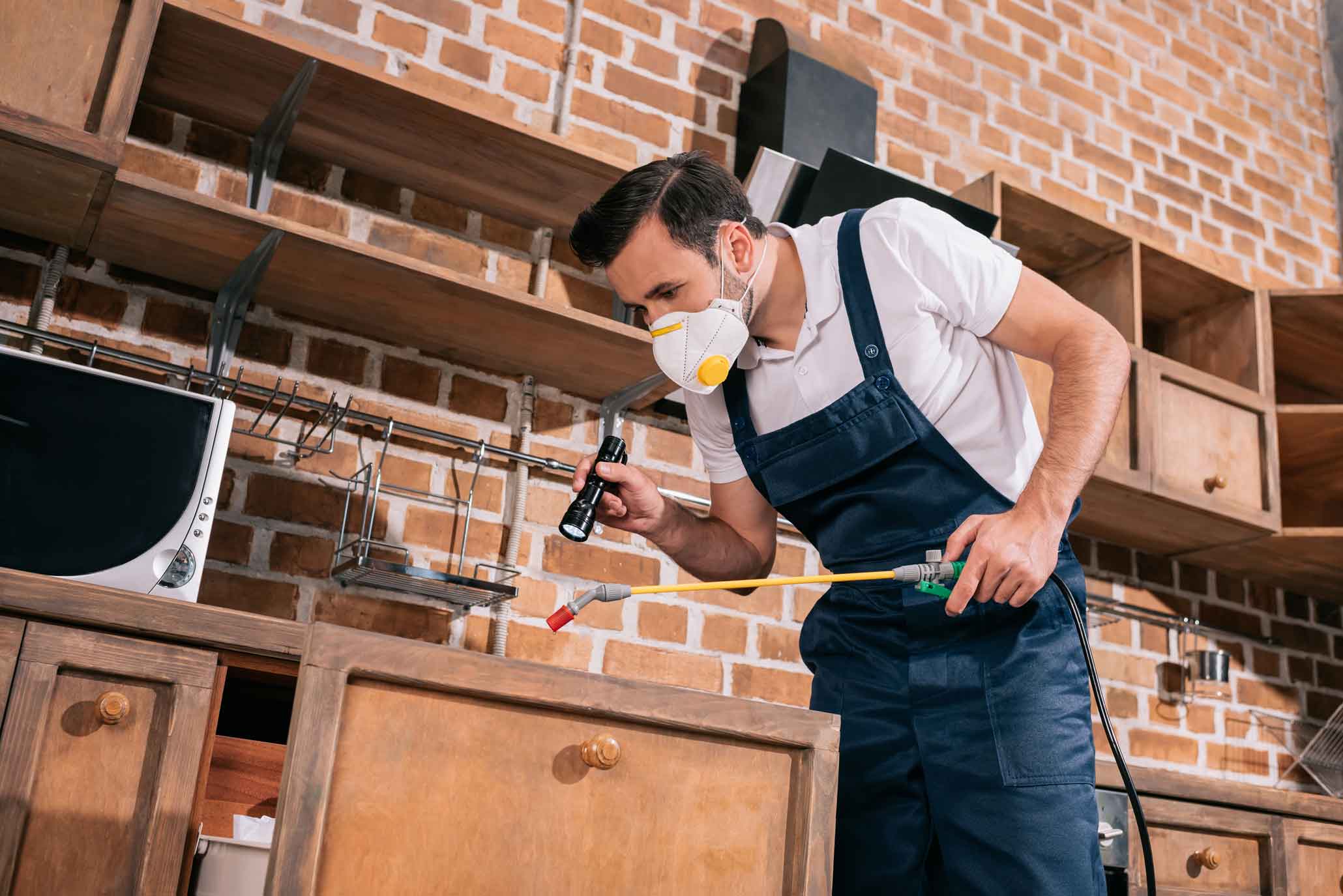
Specialized services to reduce moisture and protect wooden structures—helping prevent future termite activity.
Areas Served
City FL, Termite Exterminators
Testimonials
What Our Customers Say
Homeowners across Westchester trust us to protect their properties from costly termite damage. Here’s what some of our clients have to say about their experience with our team.

“Their inspection was incredibly thorough, and the technician took time to answer all my questions. I felt informed and reassured throughout the entire process. Highly recommend!”

We had a serious termite problem in our warehouse, and this pest control team handled it quickly and professionally. Their technicians were friendly, explained every step clearly

“We discovered termites in our attic and panicked. Miami Termite Defense came out the same day, explained everything clearly, and treated the problem quickly. Our home has been termite-free ever since.”

We had a serious termite problem in our warehouse, and this pest control team handled it quickly and professionally. Their technicians were friendly, explained every step clearly

“We signed up for their annual protection plan, and it’s the best decision we made. The team is always on time, professional, and great at keeping our home safe from termites.”

We had a serious termite problem in our warehouse, and this pest control team handled it quickly and professionally. Their technicians were friendly, explained every step clearly

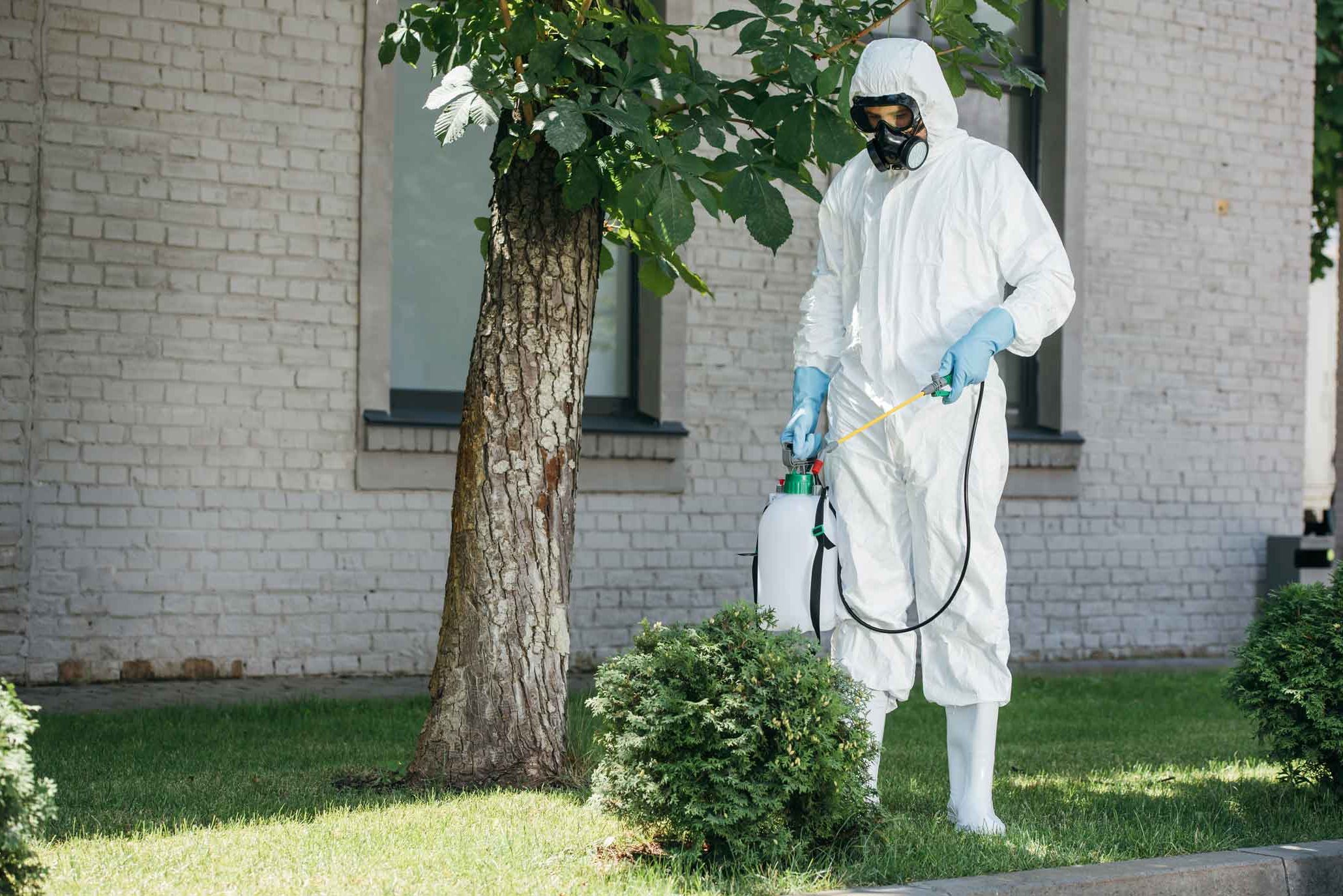
Why Choose Us
Trusted termite specialists protecting Westchester homes
Company Value
Where Trusted Expertise Meets Modern Termite Protection
To provide Westchester homeowners with the most reliable, high-quality termite protection available—ensuring safer, healthier homes for generations to come.
Our mission is to detect, eliminate, and prevent termite damage using modern treatment methods, expert technicians, and service built on integrity.
A simple promise backed by expertise, speed, and genuine care for our community.
Delivering trusted termite protection with care and integrity
- Trusted Experts
- Customer Focused
- Quality Driven
- Eco-Safe Products

Years Experience
Your reliable partner in termite-free living
We provide honest inspections, transparent pricing, and service built around your peace of mind.
We work closely with homeowners to build custom protection plans that fit your property and long-term needs.
Effective Termite Control Westchester FL: Addressing Termites and Other Common Household Pests
Pest control plays a critical role in maintaining the health, safety, and structural integrity of homes and buildings. When it comes to termites and other household pests, the effectiveness of pest control depends on several factors, including the pest species involved, the chosen treatment methods, and the extent of infestation. Below is an overview of how effective pest control can be in addressing these issues and what homeowners should consider when tackling infestations.
Key Factors That Determine an Exterminator Westchester FL’s Effectiveness
- Termites: These wood-destroying pests require specialized treatments due to their ability to thrive undetected within walls and wooden structures.
- Rodents: Mice and rats often necessitate traps or bait stations combined with sanitation measures.
- Insects (e.g., ants, cockroaches): Identification of specific species is crucial for selecting effective insecticides or repellents.
- Early detection leads to more efficient extermination efforts, particularly for termites that may have already damaged structural elements.
- Severe infestations may require multiple treatments or even fumigation services.
- Pest Control Methods Used
Different approaches yield varying results depending on the type of pest: - Chemical Treatments: Widely used for termite control through soil treatments or wood applications.
- Biological Control: Introducing natural predators (e.g., nematodes for termites) can be an eco-friendly alternative.
- Physical Barriers: Methods like sealing entry points can help prevent reinfestation.
Benefits of Professional Extermination Westchester FL Services
- Expertise in Identification: Licensed professionals are trained to identify signs of infestation that may go unnoticed by homeowners.
- Comprehensive Solutions: Professionals offer integrated pest management (IPM), which combines multiple strategies like inspection, treatment, and prevention.
- Long-Term Prevention Plans: Many providers include follow-up visits to ensure pests do not return.
- Specialized Equipment & Chemicals: Some treatments (e.g., termiticides) are only available through licensed exterminators.
| Pest Type | Common Treatment Methods | Typical Effectiveness |
| Subterranean Termites | Baiting systems, liquid barriers | High with regular maintenance |
| Drywood Termites | Fumigation or spot treatments | Effective when entire colony targeted |
| Ants | Gel bait or perimeter sprays | Moderate; reinfestation common without sanitation |
| Cockroaches | Gel baits combined with cleaning | High if sanitation protocols followed |
Comparing DIY Methods to Hiring a Bed Bug Exterminator Westchester FL
- Cost-effective in minor cases
- Limited effectiveness against hidden colonies
- Short-term results without professional-grade products
- Customized plans based on inspection reports
- Use of advanced tools like thermal imaging to detect termite activity
- Long-lasting results backed by warranties
Essential Tips for Rodent Control Westchester FL
To achieve effective pest control against termites and other household pests, early intervention is crucial along with choosing appropriate methods tailored to specific circumstances. While DIY efforts can address minor issues temporarily, professional services remain the most reliable option for long-term protection from damaging infestations. Regular inspection schedules combined with preventative measures are vital in safeguarding your home from persistent threats posed by termites and other common pests.
Effective Strategies for Dealing with Termites Westchester FL
Termites are among the most destructive pests globally, causing billions of dollars in property damage annually. Their ability to silently invade and compromise wooden structures makes them a significant concern for homeowners and property managers. Understanding why termite control and prevention strategies are critical involves exploring their potential for harm, the challenges in detecting infestations early, and the benefits of proactive measures.
Why Termite Control Is Essential
- Undetected Damage: Termites often remain hidden within walls or under floors, making it difficult to identify their presence until significant damage has occurred.
- Rapid Reproduction: A single colony can house thousands or even millions of termites that reproduce at an alarming rate.
- Impact on Property Value: Active infestations can reduce a property’s market value and deter potential buyers.
Effective Prevention Strategies
- Fix leaky pipes and faucets promptly.
- Ensure proper drainage around your home’s foundation.
- Use dehumidifiers in areas prone to dampness.
- Apply termiticide-treated barriers during construction.
- Regularly treat exposed wooden surfaces with borate solutions.
- Keep wood-based materials like firewood or mulch away from your home’s foundation.
- Maintain a gap between soil and any wooden components of your building.
- Schedule annual professional inspections to detect early signs of infestation.
- Check for mud tubes along walls or foundations that termites use for travel.
Comparing Reactive vs. Proactive Approach
| Approach | Characteristics | Pros | Cons |
| Reactive | Addressing infestations after they are discovered | May resolve immediate threat | Often results in higher costs |
| Proactive | Preventive measures like inspections and treatments | Reduces risk significantly | Requires upfront investment |
Importance of Professional Assistance
While DIY methods may seem cost-effective initially, dealing with termites often requires expertise due to their elusive nature. Pest control professionals utilize advanced tools such as thermal imaging cameras, moisture meters, and specialized treatments tailored to specific species.
When choosing a pest control service, consider these factors: – Licensing and certifications – Experience with termite management – Use of eco-friendly chemicals (if applicable) – Warranty or guarantee policies
By understanding the critical need for effective termite control and prevention strategies, homeowners can safeguard their properties against costly damages while maintaining long-term structural integrity.
Understanding Termite Behavior and Lifespan: Insights from Pest Control Westchester FL
Termites are among the most destructive pests that can invade a household. Understanding their lifespan, behavior, and how they interact with their environment is essential for effective pest management and prevention. Below, we delve into these aspects to paint a clearer picture of termites’ role in household ecosystems.
Lifespan of Termites
| Caste | Lifespan | Role in Colony |
| Queen | Up to 25 years | Responsible for laying eggs and sustaining the colony’s population. |
| King | 10-15 years | Assists the queen with reproduction and colony development. |
| Workers | Several weeks to a couple of years | Build and maintain nests, forage for food, and feed other members. |
| Soldiers | 1-2 years | Defend the colony from predators like ants or other threats. |
| Alates (Reproductives) | A few days to weeks after dispersal if unsuccessful at forming new colonies; longer if successful as kings or queens. | Swarm to establish new colonies during mating season. |
The queen’s extended lifespan is particularly notable, allowing her to produce thousands—sometimes millions—of offspring over time.
Behavior Patterns
Termite behavior is primarily driven by their need to sustain the colony and find cellulose-based food sources such as wood, paper, or plant matter.
- Foraging Habits:
Termites use pheromone trails to communicate directions toward food sources effectively. Worker termites traverse through mud tubes or hidden pathways to avoid exposure to predators or dry environments. - Social Structure:
The caste system governs termite activities: - Workers handle maintenance, food collection, and care for eggs.
- Soldiers protect the nest from invaders.
- Reproductive individuals work solely on expanding the termite population.
- Swarming Activity:
During specific times of the year (often spring or early summer), reproductive termites swarm in large groups seeking mates to establish new colonies. This is one of the most visible signs of a termite problem in households.
Environmental Preferences
Termites thrive in environments that provide three critical conditions: 1. Moisture: Termites require moist conditions for survival since they are highly sensitive to desiccation. 2. Food Sources: Any cellulose-based material becomes a prime target for termites. 3. Shelter: They prefer hidden areas such as within walls, under floors, or inside wooden furniture where they remain undisturbed.
Homeowners should be vigilant about water leaks, excessive humidity indoors, or wood-to-soil contact that may create favorable conditions for infestations.
Preventive Tips Based on Termite Behavior
- Eliminate any standing water near your property by fixing leaks or improving drainage systems.
- Store firewood away from your home’s foundation.
- Seal cracks and crevices where termites might enter your home.
- Use treated wood during construction projects whenever possible.
- Regularly inspect wooden structures such as decks, fences, and furniture for damage.
By acknowledging their lifecycle and behavior patterns alongside implementing preventive measures tailored around these insights, homeowners can reduce the risk of severe termite infestations impacting their properties long-term.
Effective Pest Control Services Westchester FL: Understanding Termite Infestations and Solutions
Understanding termite infestations requires exploring the biological and environmental factors that foster their growth. Termites are small but highly destructive pests that thrive in specific conditions, making it critical to approach their control with a scientific perspective.
Understanding the Causes of Termite Infestations
- Moisture: Excess moisture creates an ideal environment for termites, especially subterranean species. Leaky pipes, poor drainage systems, or high humidity levels can attract them.
- Wood Accessibility: Termites feed on cellulose materials like wood. Improperly stored firewood, wooden structures in contact with soil, or decaying wood are significant attractants.
- Soil-to-Wood Contact: Many termite species build tunnels from the soil to wooden structures. Direct soil contact with wooden elements such as foundations or decks creates easy access.
- Cracks and Gaps: Even small structural vulnerabilities in walls, foundations, or roofing can allow termites to enter your home.
Lifecycle of a Termite Infestation
- Swarmers and Colony Formation: Winged termites (alates) leave an existing colony during swarming seasons to establish new colonies.
- Nest Building: Once a suitable location is found, termites shed their wings and begin forming nests underground or within wooden structures.
- Initial Feeding Activity: Worker termites create mud tubes and begin feeding on wood—often undetected at this stage.
- Colony Expansion: Over time, the colony grows exponentially, leading to significant damage if left untreated.
Common Signs of Termite Activity
Detecting termites early is essential for effective control. Key signs include:
– Hollow-sounding wood when tapped
– Presence of mud tubes along walls or foundations
– Discarded wings from swarming termites
– Small piles of frass (termite droppings) resembling sawdust
– Cracked paint or bubbling surfaces on walls
| Sign | Possible Indication |
| Mud Tubes | Subterranean termite activity |
| Discarded Wings | Swarmers forming a new colony |
| Frass | Drywood termite infestation |
| Hollow-Sounding Wood | Internal damage caused by tunneling |
Effective Strategies for Combating Termites
- Conduct Regular Inspections: Schedule professional inspections annually or biannually to identify infestations early.
- Eliminate Moisture Sources: Fix leaks promptly and ensure proper ventilation in crawl spaces and basements.
- Use Physical Barriers: Install stainless steel mesh, basaltic particle barriers, or termiticide-treated barriers during construction.
- Apply Chemical Treatments: Utilize termiticides like bait systems or liquid treatments for long-term prevention.
- Remove Attractants Around Your Home: Store firewood away from your house, reduce mulch near foundations, and maintain proper landscaping practices.
Innovations in Termite Control Technology
Modern pest control combines traditional methods with cutting-edge technologies like advanced bait systems designed specifically for termite colonies. These baits target worker termites who transport toxic substances back to the nest—a process known as “colony elimination.” Additionally, thermal imaging cameras are increasingly being used during inspections to detect hidden infestations without invasive procedures.
By integrating science-driven methods into prevention and remediation efforts, homeowners can significantly reduce termite risks while ensuring long-term protection against these destructive pests.
Top Pest Control Companies Westchester FL: Protect Your Home from Termite Damage
Protecting your home from termite damage requires a proactive approach, combining preventive measures, regular inspections, and prompt action when an infestation is detected. Termites are silent destroyers that can compromise the structural integrity of your property. Below is a detailed guide to help you safeguard your home effectively.
Identify Common Signs of Termite Activity
- Mud Tubes: Thin tunnels made from soil and wood particles often found along exterior walls or foundations.
- Discarded Wings: Winged termites (also called swarmers) shed their wings after finding a nesting site.
- Damaged Wood: Hollow-sounding wood, blistered surfaces, or visible tunnels inside wooden structures.
- Frass (Termite Droppings): Small piles of wood-colored pellets near affected areas.
Preventive Measures to Minimize Risk
- Ensure gutters and downspouts direct water away from the foundation.
- Address any leaks or standing water issues promptly to eliminate sources of excess moisture.
- Avoid placing untreated wood directly on soil, especially near your home’s foundation.
- Use concrete supports or metal barriers for wooden structures like decks and fences.
- Fill cracks in the foundation and gaps around utility pipes with caulk or appropriate sealants.
- Install screens on vents to prevent termites from entering through crawl spaces.
- Keep firewood, lumber, and other cellulose materials stored at least 20 feet away from your home.
- Avoid stacking these materials against exterior walls.
- Schedule Regular Inspections
Professional termite inspections at least once a year can help detect early signs of activity before damage occurs.
Treatment Options for Termite Control
| Treatment Type | Description | Pros | Cons |
| Liquid Termiticides | Chemicals applied around the home’s perimeter to create a protective barrier. | Long-lasting protection; effective at killing termites within treated areas | May require trenching; professional application recommended |
| Bait Systems | Bait stations placed strategically to attract and eliminate colonies over time. | Eco-friendly option; minimal disruption | Slower results compared to liquid treatments |
| Fumigation | Whole-house treatment involving gas that penetrates all areas of the structure. | Effective against severe infestations | Requires temporary evacuation; higher cost |
| DIY Options | Over-the-counter sprays or natural solutions like boric acid or nematodes. | Affordable and accessible | Limited effectiveness for established infestations |
Why Professional Assistance Matters
- Advanced detection tools like infrared imaging.
- Licensed technicians with experience in safe pesticide application.
- Preventive maintenance programs for long-term protection.
Investing in expert assistance can save thousands of dollars in repair costs by addressing issues before they escalate.
Proactively safeguarding your property against termites is essential for maintaining its value and longevity. By combining vigilance at home with professional support when needed, homeowners can successfully mitigate this common threat while ensuring peace of mind year-round.