
WELCOME TO Sunny Isles BeachTERMITE DEFENSE
Termite Exterminators in Sunny Isles Beach, FL
Termites thrive in South Florida’s heat and humidity. Our local specialists use advanced detection and treatment to stop active infestations and protect your home year-round.
Feedback
60k

Our service
Effective termite protection for a damage-free home.
Expert termite solutions for long-lasting home protection.
Termites are a serious threat in Sunny Isles Beach’s humid climate. Our certified specialists use industry-leading technology to detect, eliminate, and prevent termite activity—keeping your home protected year-round.
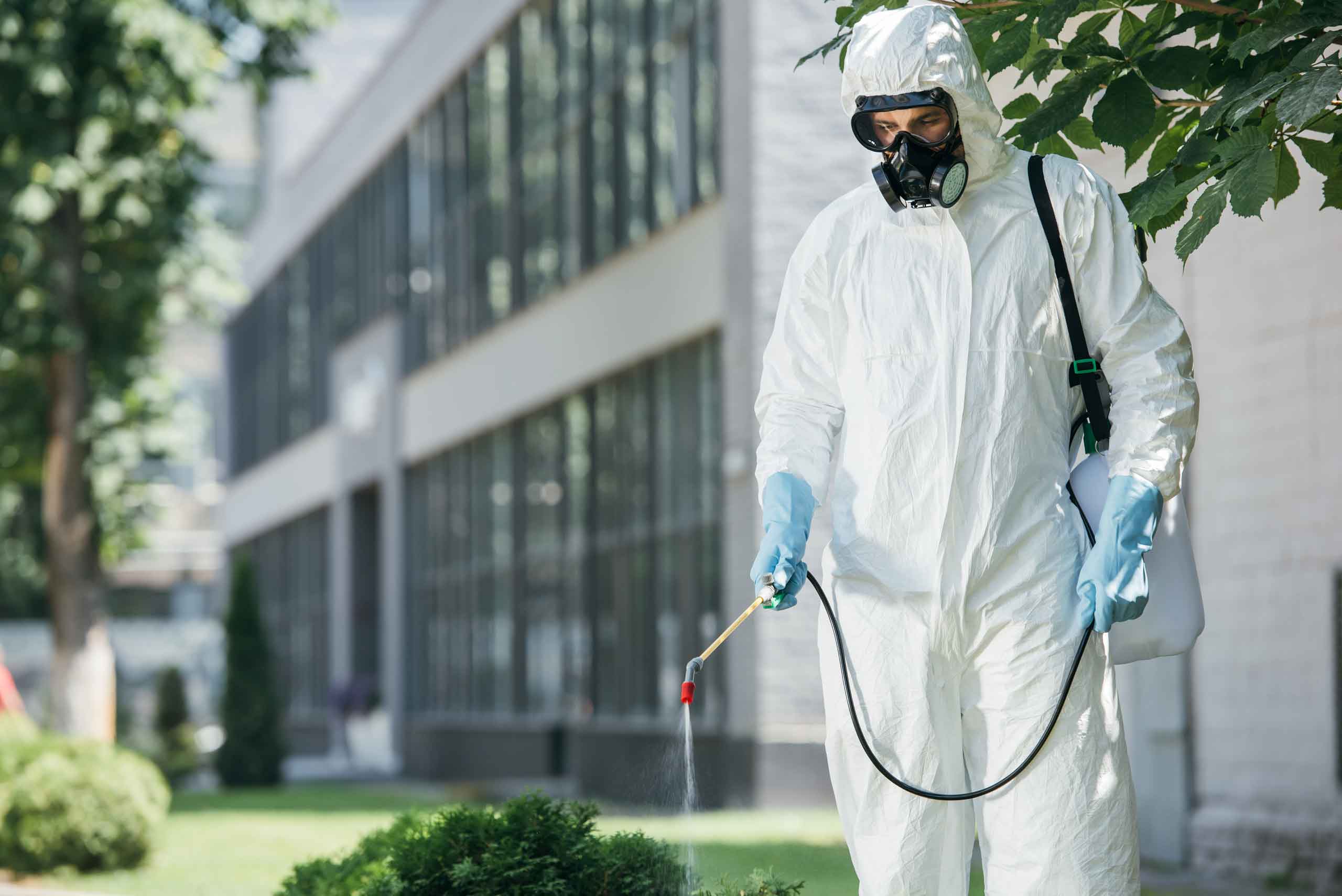

Years experience
Advanced termite treatment tailored to Sunny Isles Beach homes.
Family-safe and pet-safe solutions that protect without harsh chemicals.
Local experts with deep knowledge of Florida’s toughest termite species.
What we offer
Your trusted partner for complete termite & pest protection

Comprehensive termite inspections using advanced detection tools to identify hidden activity and structural risks.
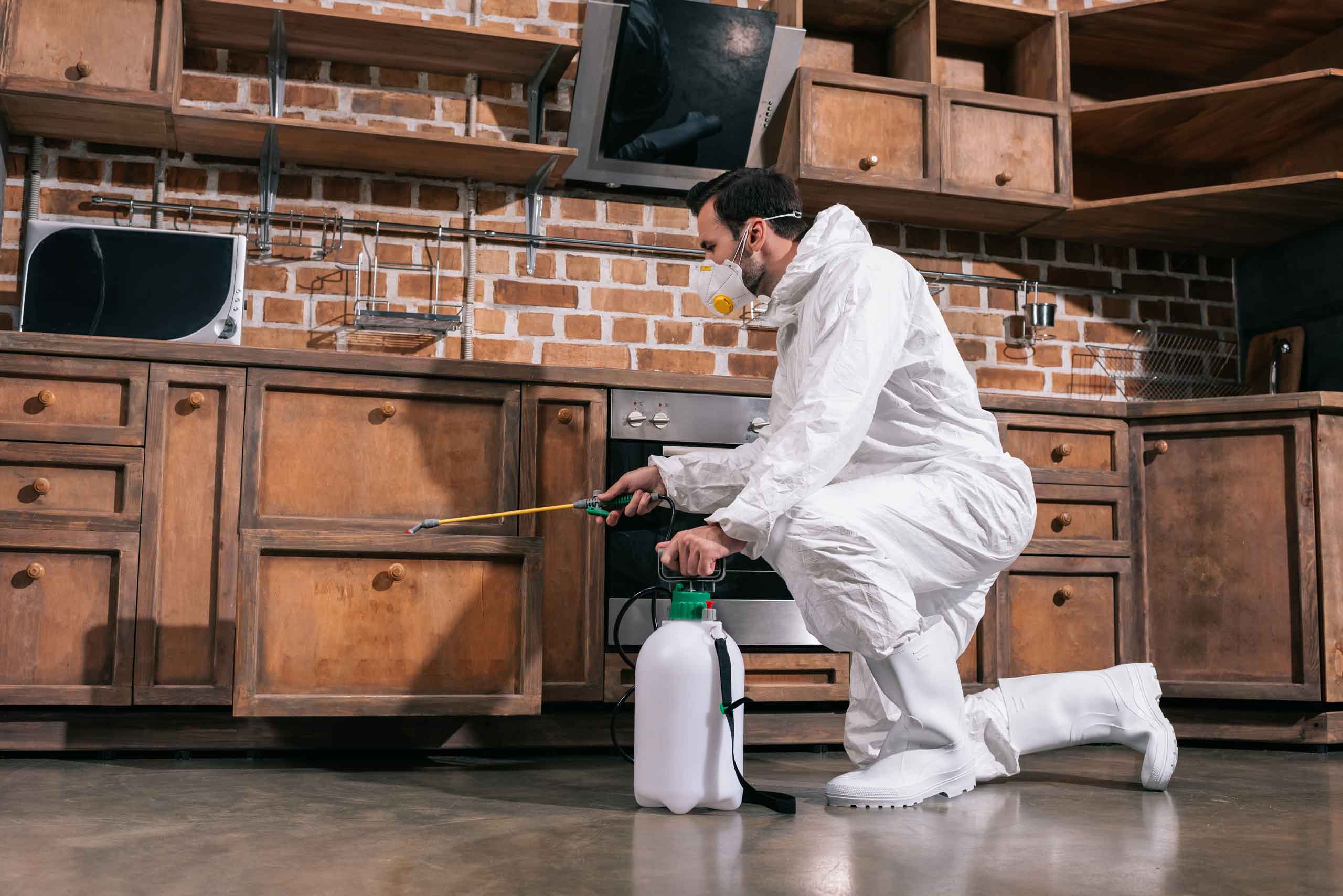
Targeted treatments designed to eliminate active termite colonies and protect your home from further damage.
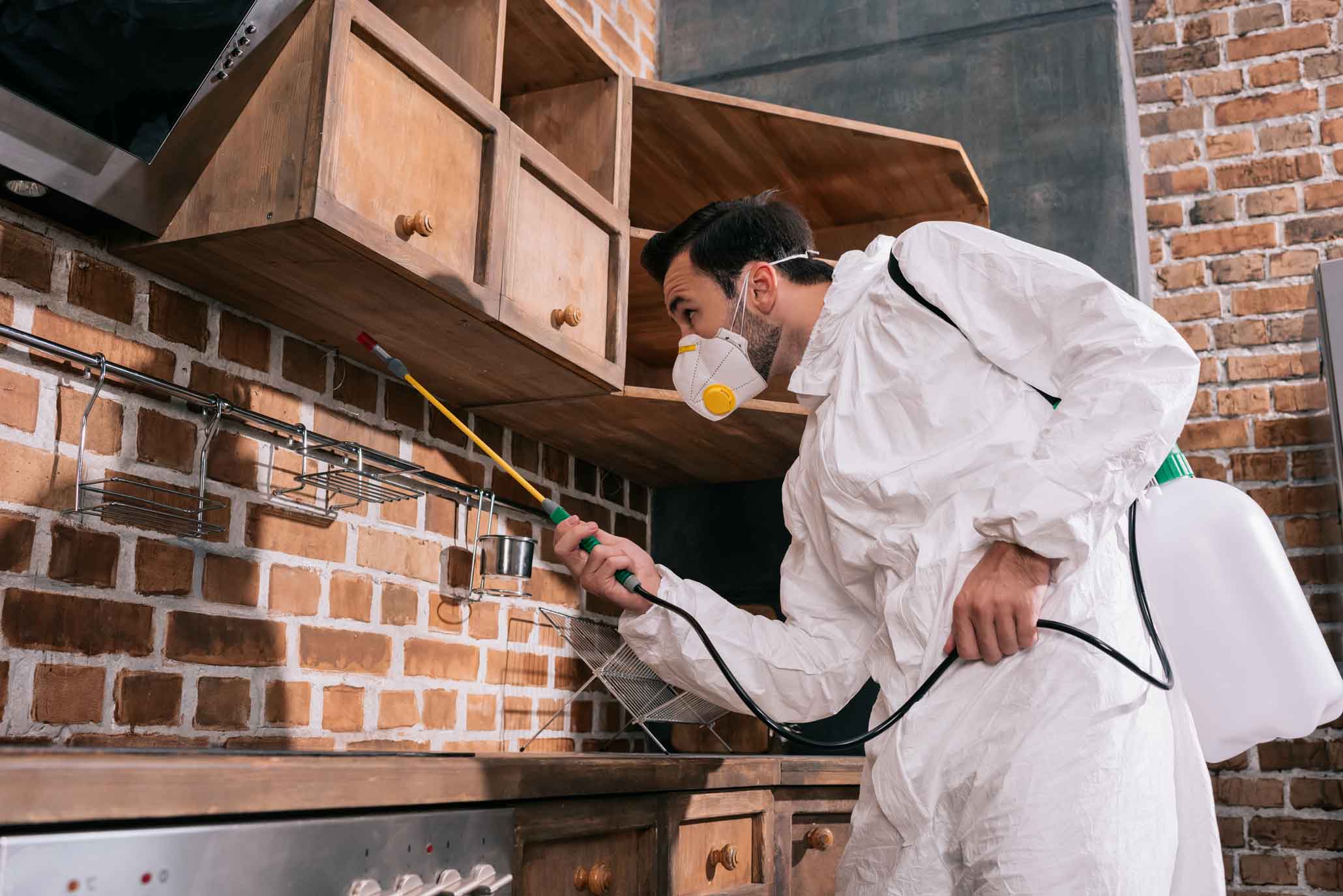
Long-lasting protection through soil treatments, baiting systems, and preventative barriers tailored to Sunny Isles Beach homes.

Full-structure fumigation for severe infestations, delivering complete removal of termites and wood-destroying pests.
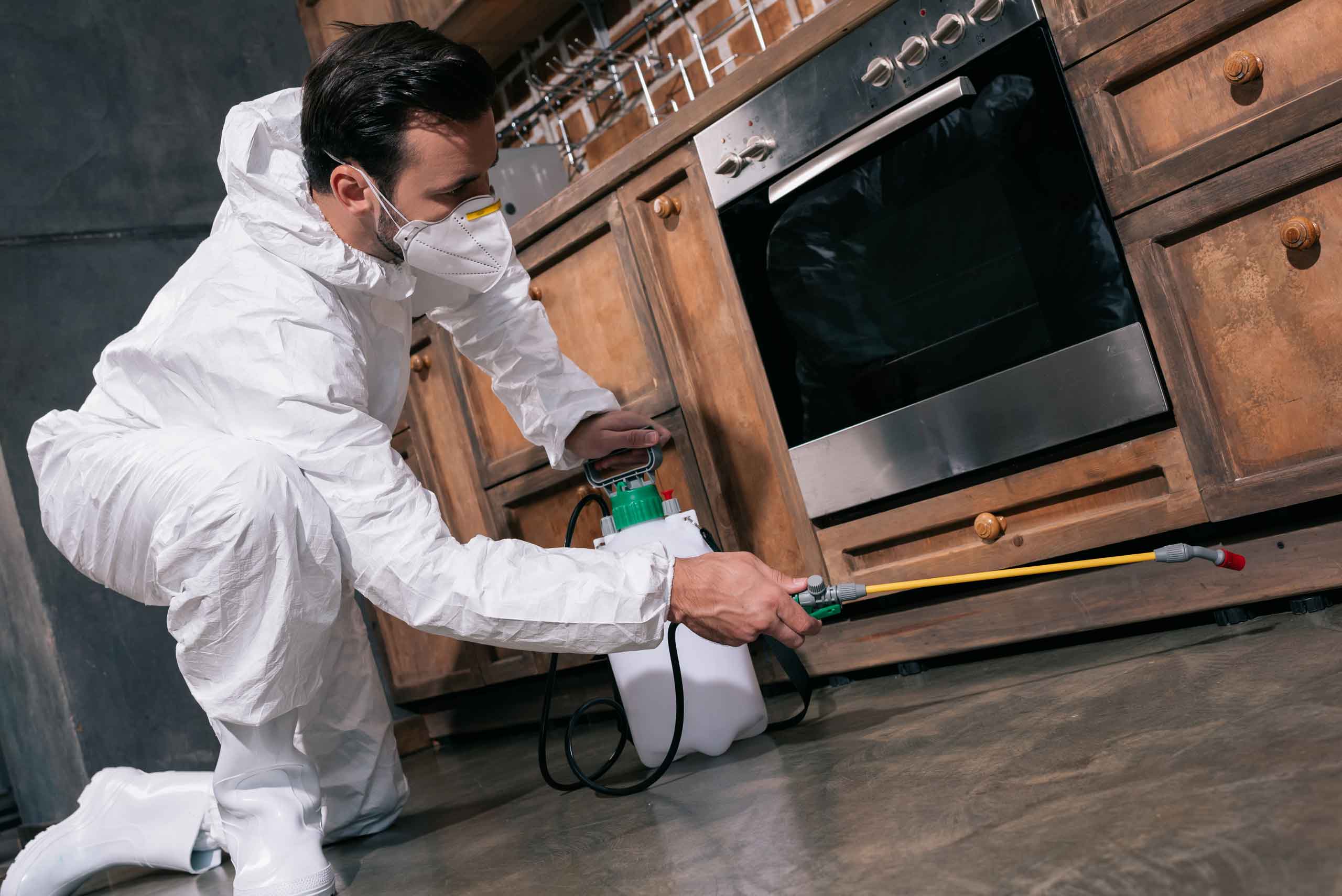
Fast and effective removal of ants, roaches, rodents, spiders, and other common Sunny Isles Beach pests—safe for families and pets.

Specialized services to reduce moisture and protect wooden structures—helping prevent future termite activity.
Areas Served
City FL, Termite Exterminators
Testimonials
What Our Customers Say
Homeowners across Sunny Isles Beach trust us to protect their properties from costly termite damage. Here’s what some of our clients have to say about their experience with our team.

“Their inspection was incredibly thorough, and the technician took time to answer all my questions. I felt informed and reassured throughout the entire process. Highly recommend!”

We had a serious termite problem in our warehouse, and this pest control team handled it quickly and professionally. Their technicians were friendly, explained every step clearly

“We discovered termites in our attic and panicked. Miami Termite Defense came out the same day, explained everything clearly, and treated the problem quickly. Our home has been termite-free ever since.”

We had a serious termite problem in our warehouse, and this pest control team handled it quickly and professionally. Their technicians were friendly, explained every step clearly

“We signed up for their annual protection plan, and it’s the best decision we made. The team is always on time, professional, and great at keeping our home safe from termites.”

We had a serious termite problem in our warehouse, and this pest control team handled it quickly and professionally. Their technicians were friendly, explained every step clearly

Why Choose Us
Trusted termite specialists protecting Sunny Isles Beach homes
Company Value
Where Trusted Expertise Meets Modern Termite Protection
To provide Sunny Isles Beach homeowners with the most reliable, high-quality termite protection available—ensuring safer, healthier homes for generations to come.
Our mission is to detect, eliminate, and prevent termite damage using modern treatment methods, expert technicians, and service built on integrity.
A simple promise backed by expertise, speed, and genuine care for our community.
Delivering trusted termite protection with care and integrity
- Trusted Experts
- Customer Focused
- Quality Driven
- Eco-Safe Products

Years Experience
Your reliable partner in termite-free living
We provide honest inspections, transparent pricing, and service built around your peace of mind.
We work closely with homeowners to build custom protection plans that fit your property and long-term needs.
Effective Termite Control in Sunny Isles Beach FL: Signs and Symptoms of an Infestation
How to Identify Termite Infestations with an Exterminator Sunny Isles Beach FL
- Swarming termites shed their wings once they settle into a new nesting area.
- Subterranean termites construct mud tubes as protective pathways between their nests and food sources. They help maintain the humid environment termites require to survive.
- Tap on wooden structures in your home. In advanced cases, the wood may appear blistered or have visible tunnels.
Extermination Tips for Sunny Isles Beach FL Residents
| Indicator | Description | Likely Locations |
| Discarded Wings | Detached insect wings near light sources | Window sills, door frames |
| Mud Tubes | Mud-like tunnels for colony movement | Foundation walls, crawl spaces |
| Hollow/Damaged Wood | Structural wood with cavities/tunnels inside | Floors, furniture, wooden beams |
| Frass | Pellet-like droppings resembling sawdust | Near wooden furniture or baseboards |
| Warped Wood Frames | Deformed frames causing difficulty in operation | Around doors and windows |
Tips for Identifying a Bed Bug Exterminator Sunny Isles Beach FL
- Peeling Paint: Paint may bubble or flake due to moisture buildup caused by termite activity behind walls.
- Sagging Floors: Severe infestations can weaken flooring supports, leading to sinking areas.
- Unusual Smells: Damp wood affected by termite infestations may emit a moldy odor over time.
The Importance of Early Detection in Rodent Control Sunny Isles Beach FL
Detecting a termite infestation early helps prevent costly repairs and potential structural failures within your home. Regular inspections by professionals and vigilance regarding these signs will ensure swift action when necessary.
Understanding these symptoms allows homeowners to take proactive measures against one of nature’s most destructive pests while safeguarding their investment.
Identifying Termite Mud Tubes in Sunny Isles Beach FL and What They Mean
Understanding these tubes can help you recognize and address a potential termite infestation effectively.
What Are Mud Shelter Tubes?
Mud shelter tubes are made from soil, wood particles, and saliva secreted by termites. They often appear as thin trails or channels that run along walls, foundations, or other surfaces. These structures are designed to maintain the ideal moisture levels necessary for termite survival while providing a safe passage between their underground nests and food.
Key Characteristics of Termite Mud Tubes:
- Color: Brownish or clay-like in appearance due to being composed of soil.
- Location: Commonly found on:
- Foundation walls
- Wooden beams
- Crawl spaces
- Basement floors or ceilings
- Exterior walls leading from the ground upward
Types of Termite Mud Tubes
Termites build different types of mud tubes depending on their purpose.
- Working Tubes
These are the most commonly seen mud tubes, used by termites for foraging and traveling between their nest and food sources. - Exploratory Tubes
Built to search for new food supplies, exploratory tubes do not always lead to immediate infestations but indicate active termite activity nearby. - Drop Tubes
Found hanging from above-ground areas like ceilings or wooden beams, drop tubes connect termites back to soil when an alternate path is required. - Swarm Shelters
These smaller structures may be built temporarily for swarmers (reproductive termites) during mating seasons.
| Type of Mud Tube | Purpose | Common Locations |
| Working Tubes | Foraging and travel | Foundations, crawl spaces |
| Exploratory Tubes | Searching for new food sources | Along walls or between wood surfaces |
| Drop Tubes | Connecting suspended areas to soil | Hanging from ceilings or wooden beams |
| Swarm Shelters | Temporary shelter for reproduction | Near cracks in wood or damp environments |
Why Do Termites Build Mud Shelter Tubes?
Subterranean termites are highly sensitive to dehydration and light exposure.
- Maintain moisture levels critical for survival.
- Protect themselves from predators like ants.
- Navigate unfavorable conditions such as dry air or sunlight.
How to Detect Mud Shelter Tubes
- Examine foundation walls both indoors and outdoors.
- Check crawl spaces beneath flooring.
- Look around wooden furniture placed near the ground level.
- Inspect basements and external wall perimeters frequently.
What To Do If You Find Mud Shelter Tubes
- Avoid disturbing them immediately; this might cause termites to relocate further into hidden areas.
- Document where you found the structures—taking photos may help professionals assess severity.
- Contact a licensed pest control professional promptly for inspection and treatment options tailored to your situation.
By understanding what mud shelter tubes look like and why they are created, homeowners can take proactive measures against termite infestations before costly damage occurs.
Effective Pest Control Sunny Isles Beach FL: Spotting Termite Damage to Protect Your Home
Termites are often referred to as “silent destroyers” due to their ability to cause significant structural damage while remaining undetected for extended periods. Identifying structural damage caused by termite activity early can save homeowners from costly repairs and maintain the integrity of a building. This section outlines key aspects of recognizing termite-related structural issues.
Common Signs of Termite-Induced Structural Damage
Termites consume cellulose-based materials found in wood and other organic products, compromising the strength and stability of buildings.
- Hollowed or Damaged Wood: Termites typically eat wood from the inside out, leaving a hollow sound when tapped. Look for blistered wood surfaces or peeling paint as potential indicators.
- Sagging Floors or Ceilings: Weak floorboards or bowing ceilings could suggest extensive termite damage beneath the surface.
- Cracks in Walls and Ceilings: These cracks may result from shifting caused by weakened wooden supports in the structure.
- Loose Fittings and Fixtures: Doors, windows, and cabinetry may become difficult to open or misaligned due to compromised wooden frames.
Key Areas Prone to Damage
Different areas within a home may be more susceptible to termite infestations depending on environmental factors and construction materials used.
| Area | Potential Damage Indicators |
| Wooden Beams | Hollow sounds, weakened structure |
| Floor Joists | Sagging floors, creaking under pressure |
| Window Frames | Warping, difficulty opening/closing |
| Basement/Foundation | Cracks along concrete walls, mud tubes nearby |
Methods for Confirming Termite Damage
Once potential signs of structural damage are identified, further investigation is necessary for confirmation.
- Engage licensed pest control specialists who use tools like moisture meters or infrared cameras to detect hidden activity.
- Gently press suspicious areas with a screwdriver or knife; compromised wood may crumble easily.
- Check whether mud tubes on walls remain active by breaking them open and watching for rebuilding efforts over several days.
- Tap wooden structures with a hammer; hollowed-out sections will produce an acoustically different sound compared to solid wood.
Long-Term Risks of Ignoring Structural Termite Damage
- Loss of property value due to compromised integrity.
- Safety hazards posed by collapsing beams or weakened foundations.
- Increased repair costs over time as infestations worsen.
Addressing termite activity promptly not only prevents further destruction but also helps maintain a secure living environment for residents.
Identifying Termite Damage: How Pest Control Services Sunny Isles Beach FL Can Help
Detecting termite activity early can save homeowners from extensive damage and costly repairs. Termites often remain hidden, making it essential to recognize subtle warning signs that indicate their presence in structural components like walls, ceilings, and foundations.
Visible Damage on Walls and Ceilings
Termites typically consume wood from the inside out, leaving only a thin outer layer intact. This behavior can create visible irregularities on walls and ceilings.
- Bubbling or peeling paint: Moisture created by termites or their mud tunnels may cause paint to bubble or peel.
- Hollow-sounding walls: Tapping on an affected area might produce a hollow sound due to the internal consumption of wood.
- Small pinholes: These holes may appear where termites have eaten through drywall or plaster surfaces.
Strange Noises Within Walls
If a termite infestation has reached significant levels, you might hear faint clicking noises coming from the walls.
Mud Tubes Along Foundations
Subterranean termites are known for creating mud tubes as protective pathways between their nests and food sources.
- Foundation walls
- Crawl spaces
- Basement areas
Mud tubes serve as one of the earliest detectable signs of termite activity around your home’s foundation.
| Sign | Likely Location | Purpose/Impact |
| Mud tubes | Foundation walls, crawl spaces | Protects termites from predators and moisture loss |
| Bubbling paint | Interior/exterior walls | Indicates moisture buildup caused by tunneling |
| Hollow wood sounds | Interior wooden structures | Results from internal consumption of materials |
Sagging Ceilings or Floors
Termite damage can weaken structural elements like ceiling beams and floor joists over time.
- Uneven or sagging floors
- Cracks forming along ceiling lines
- Doors/windows becoming difficult to open
These issues should never be ignored as they could indicate significant underlying damage caused by termites.
Presence of Termite Droppings (Frass)
These pellets may accumulate near infested areas such as window sills, baseboards, or corners of rooms.
By staying vigilant for these early warning signs in your home’s walls, ceilings, and foundational structures, you can act quickly to prevent widespread damage caused by termite infestations.
Effective Termite Identification Tips from Pest Control Companies Sunny Isles Beach FL
To effectively identify and manage termites, it’s essential to understand their lifecycle and behaviors. This knowledge helps homeowners and pest control professionals detect infestations early and apply targeted treatment strategies. Below is an in-depth look at how termites live, reproduce, and behave.
The Lifecycle of Termites
- Eggs hatch within a few weeks into immature termites known as nymphs.
- Hormonal changes and environmental conditions determine their caste roles.
- Workers: Responsible for building tunnels, gathering food, and caring for eggs and nymphs.
Behavioral Patterns of Termites
- Foraging Behavior
Worker termites create extensive underground tunnels to forage for cellulose-rich materials such as wood, paper, or cardboard. These tunnels are often hidden within walls or under foundations, making infestations hard to spot initially. - Social Structure
- Swarming Activity
Alates (winged reproductives) emerge during warm weather—often after rain—to mate and form new colonies. Swarms are short-lived but serve as one of the most visible signs of termite activity.
Key Insights into Species-Specific Behavior
| Species | Habitat Preference | Notable Behavior | Most Common Regions |
| Subterranean Termites | Soil-based; build mud tubes | Highly destructive; rely on moisture | Worldwide |
| Drywood Termites | Dry wood; avoid soil contact | Infest furniture and structural wood | Coastal/tropical areas |
| Dampwood Termites | Moist wood | Found in decayed wood; less common indoors | Pacific Northwest & wetter regions |
Practical Applications of Understanding Lifecycle & Behavior
- Schedule regular inspections during swarming seasons to catch potential infestations early.
- Eliminate excess moisture around your property since it attracts subterranean species.
- Use bait stations tailored for worker termites’ foraging patterns.
- Seal cracks in walls and foundations to prevent alates from entering your home.
Developing a deep understanding of how termites operate allows homeowners to better identify early warning signs while implementing proactive treatments tailored to specific species behaviors.