
WELCOME TO North Miami BeachTERMITE DEFENSE
Termite Exterminators in North Miami Beach, FL
Termites thrive in South Florida’s heat and humidity. Our local specialists use advanced detection and treatment to stop active infestations and protect your home year-round.
Feedback
60k

Our service
Effective termite protection for a damage-free home.
Expert termite solutions for long-lasting home protection.
Termites are a serious threat in North Miami Beach’s humid climate. Our certified specialists use industry-leading technology to detect, eliminate, and prevent termite activity—keeping your home protected year-round.


Years experience
Advanced termite treatment tailored to North Miami Beach homes.
Family-safe and pet-safe solutions that protect without harsh chemicals.
Local experts with deep knowledge of Florida’s toughest termite species.
What we offer
Your trusted partner for complete termite & pest protection

Comprehensive termite inspections using advanced detection tools to identify hidden activity and structural risks.
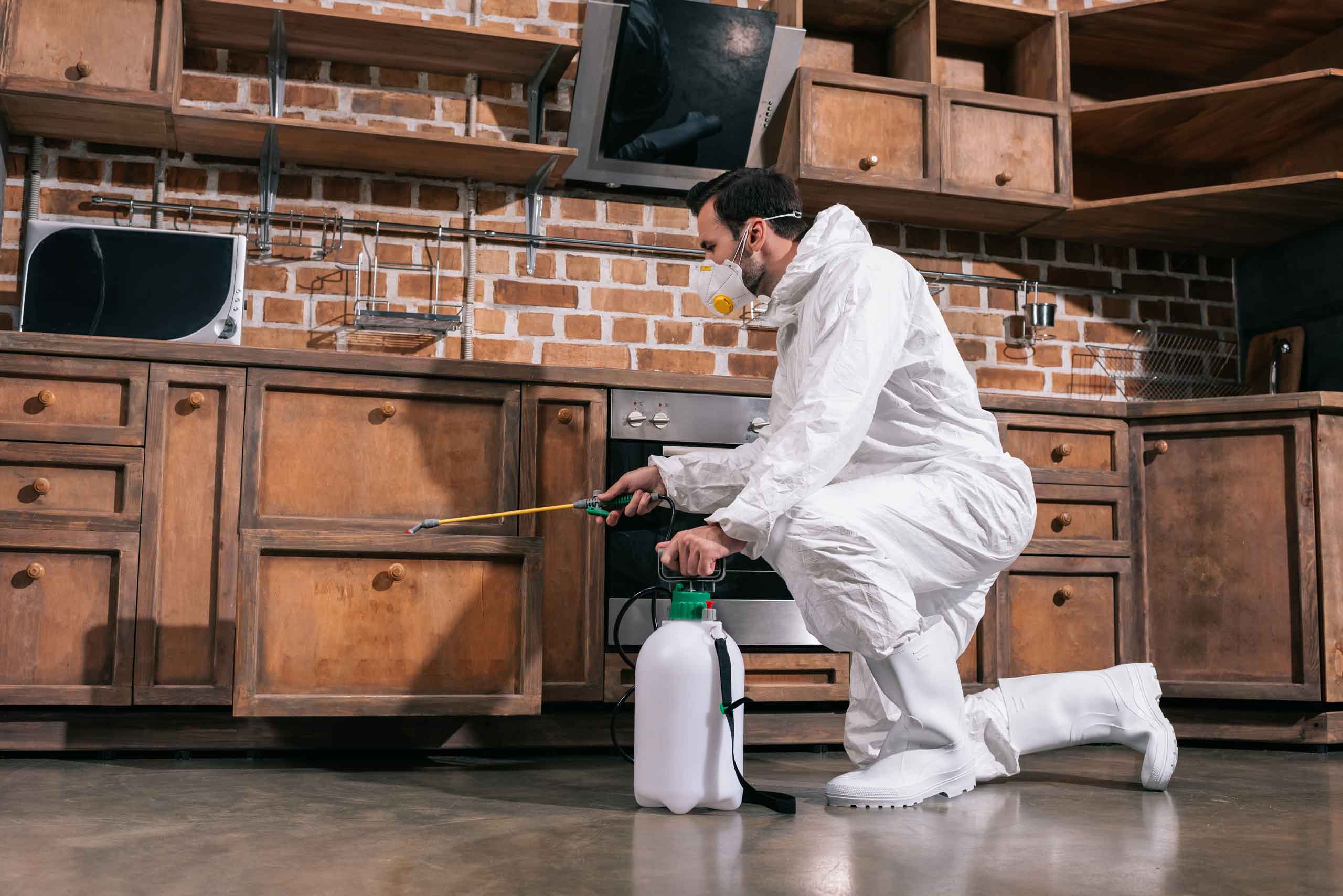
Targeted treatments designed to eliminate active termite colonies and protect your home from further damage.
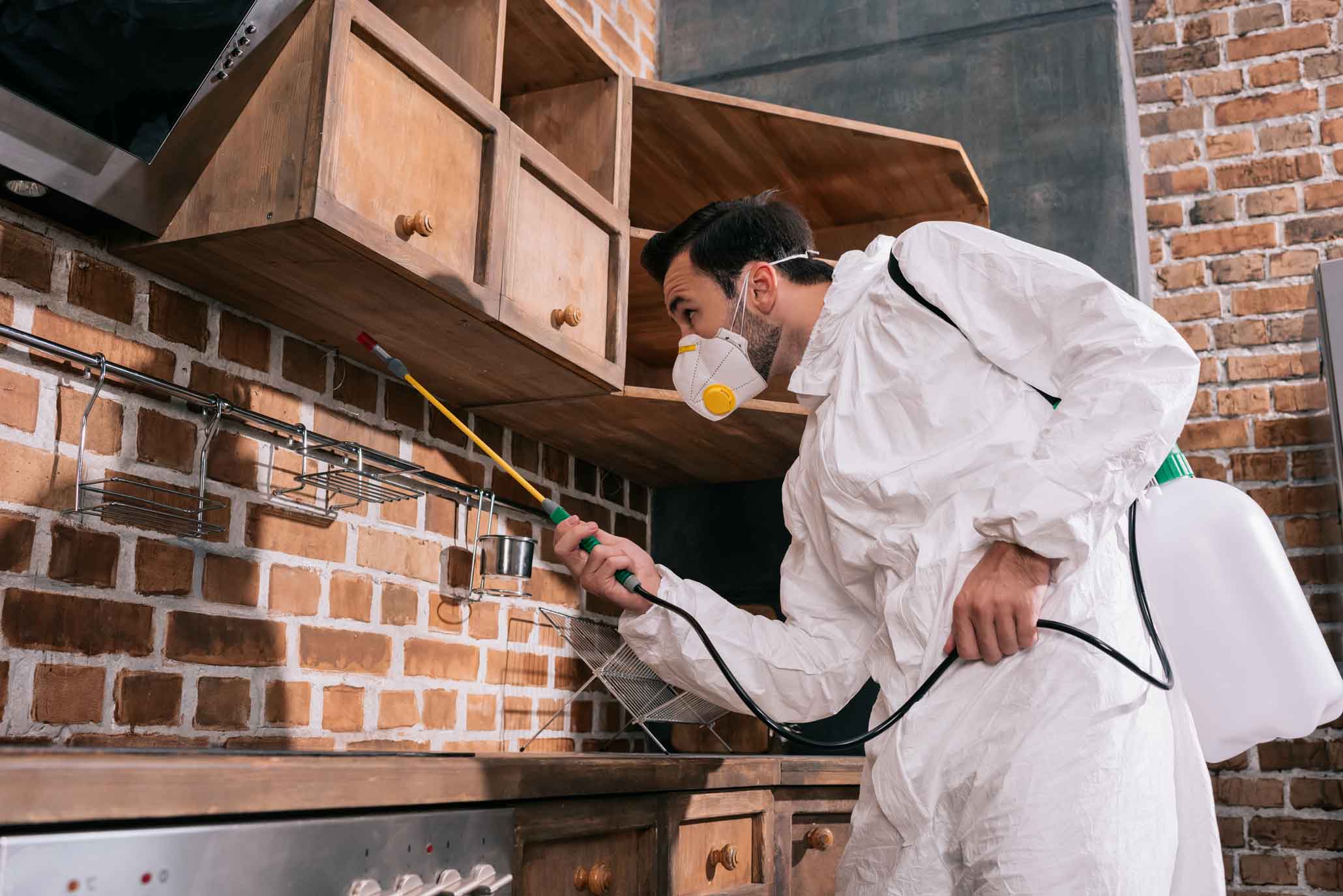
Long-lasting protection through soil treatments, baiting systems, and preventative barriers tailored to North Miami Beach homes.

Full-structure fumigation for severe infestations, delivering complete removal of termites and wood-destroying pests.
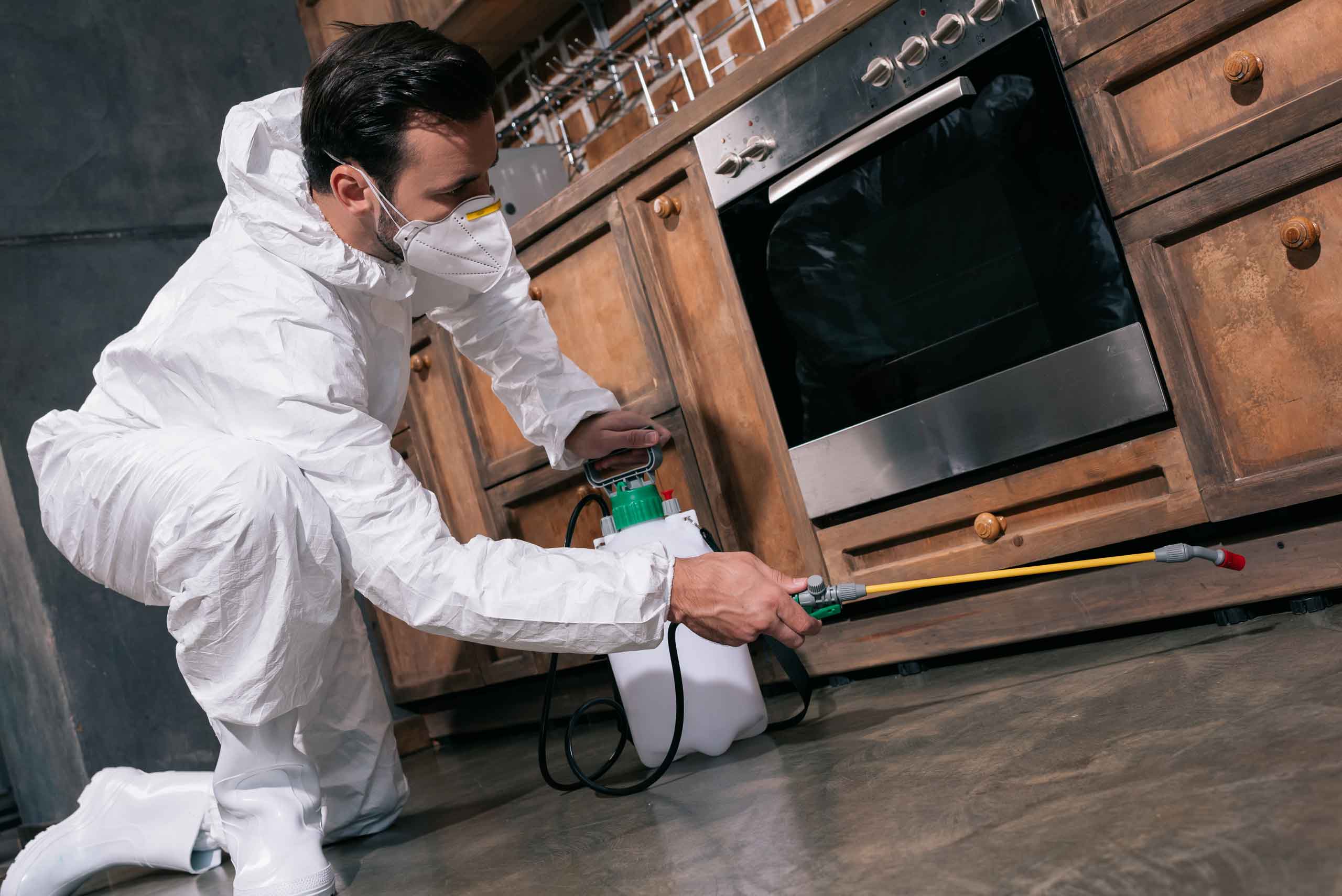
Fast and effective removal of ants, roaches, rodents, spiders, and other common North Miami Beach pests—safe for families and pets.

Specialized services to reduce moisture and protect wooden structures—helping prevent future termite activity.
Areas Served
City FL, Termite Exterminators
Testimonials
What Our Customers Say
Homeowners across North Miami Beach trust us to protect their properties from costly termite damage. Here’s what some of our clients have to say about their experience with our team.

“Their inspection was incredibly thorough, and the technician took time to answer all my questions. I felt informed and reassured throughout the entire process. Highly recommend!”

We had a serious termite problem in our warehouse, and this pest control team handled it quickly and professionally. Their technicians were friendly, explained every step clearly

“We discovered termites in our attic and panicked. Miami Termite Defense came out the same day, explained everything clearly, and treated the problem quickly. Our home has been termite-free ever since.”

We had a serious termite problem in our warehouse, and this pest control team handled it quickly and professionally. Their technicians were friendly, explained every step clearly

“We signed up for their annual protection plan, and it’s the best decision we made. The team is always on time, professional, and great at keeping our home safe from termites.”

We had a serious termite problem in our warehouse, and this pest control team handled it quickly and professionally. Their technicians were friendly, explained every step clearly

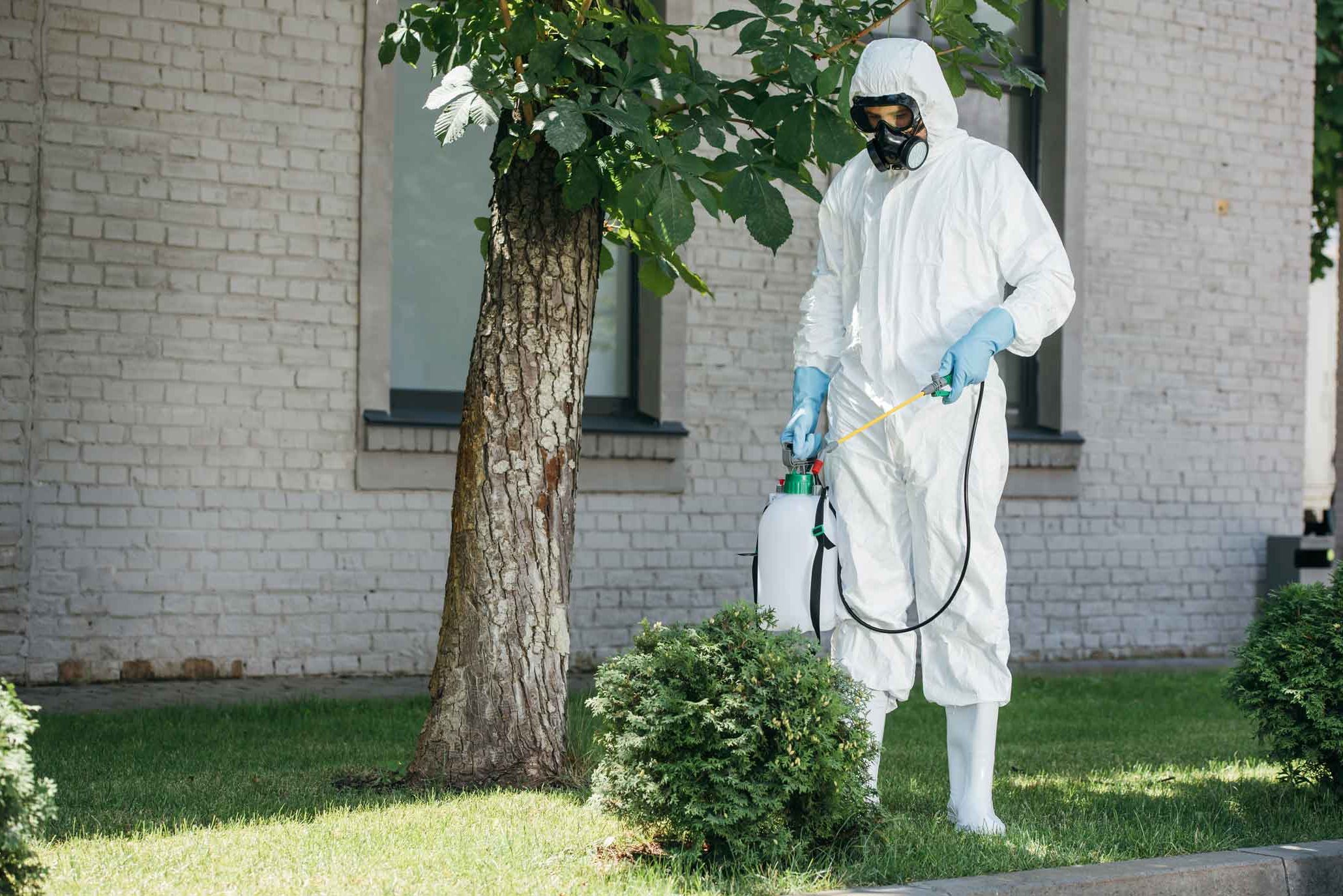
Why Choose Us
Trusted termite specialists protecting North Miami Beach homes
Company Value
Where Trusted Expertise Meets Modern Termite Protection
To provide North Miami Beach homeowners with the most reliable, high-quality termite protection available—ensuring safer, healthier homes for generations to come.
Our mission is to detect, eliminate, and prevent termite damage using modern treatment methods, expert technicians, and service built on integrity.
A simple promise backed by expertise, speed, and genuine care for our community.
Delivering trusted termite protection with care and integrity
- Trusted Experts
- Customer Focused
- Quality Driven
- Eco-Safe Products

Years Experience
Your reliable partner in termite-free living
We provide honest inspections, transparent pricing, and service built around your peace of mind.
We work closely with homeowners to build custom protection plans that fit your property and long-term needs.
Effective Termite Prevention and Treatment Tips for Homes in North Miami Beach FL
Recognizing the signs of termite activity early is essential in preventing severe harm. Below are seven key indicators that you may need professional termite prevention and treatment services for your home.
These swarms usually consist of winged termites (alates) seeking to establish new colonies. Once they find suitable locations, they shed their wings, leaving behind small piles near windowsills, doors, or other entry points.
What does this indicate?– Presence of an active colony nearby. – Potential risk for new colonies being formed in or around your home.
Mud tubes are narrow tunnels made from soil and wood particles that termites construct to travel between their colony and food sources. These tubes play a critical role in protecting termites from predators and maintaining moisture levels necessary for their survival.
Common Areas to Check for Mud Tubes:– Basement walls. – Foundation edges. – Crawl spaces.
If you notice mud tubes along these areas, it’s a strong indicator that termites are actively feeding on your property.
Termites consume wood from the inside out, leaving only a thin outer layer intact. This can make wooden structures sound hollow when tapped.
Signs to Watch For:– Hollow sounds when knocking on walls or furniture. – Crumbling wood near baseboards or window frames. – Bubbling paint or uneven surfaces on drywall.
These signs suggest termites have already started causing structural damage and need immediate attention.
Over time, termite damage can compromise the integrity of wooden flooring, door frames, and ceilings.
Indicators Include:– Doors that stick while opening or closing. – Uneven or warped flooring. – Sudden creaking noises when walking across floors.
If these issues persist despite no apparent water damage, it’s worth considering a termite inspection.
Termite droppings—also known as frass—are tiny pellet-like structures often found near infested areas. Unlike dirt or dust particles, frass resembles sawdust but has a distinct shape due to how it is expelled by drywood termites during tunneling activities.
Why It’s Important to Act Quickly:– Frass indicates an active infestation within wooden parts of your home. – Ignoring it could allow infestations to worsen over time.
| Key Characteristics of Frass | Appearance |
| Shape | Oval pellets |
| Color | Varies (brown/tan/black) |
| Location | Near wooden furniture |
Cracks in the walls or ceilings do not always indicate foundation issues—they may be linked to termite activity weakening internal structures.
Where Cracks Commonly Appear:– Corners of windowsills. – Along baseboards.
Investigating these cracks promptly is important to rule out potential pest-related causes like termites gradually eroding structural materials.
Subterranean termites thrive in moist conditions and often target areas where wood comes into contact with damp soil or leaks.
Preventive Tips for Reducing Moisture Risks:1. Fix leaky pipes and faucets immediately. 2. Ensure proper drainage around the foundation of your home. 3. Use dehumidifiers in overly humid areas such as basements or crawl spaces. 4. Avoid storing firewood directly against exterior walls.
By addressing moisture concerns early on, you can discourage termite activity before it escalates into major infestations requiring costly intervention efforts from professionals.
Detecting just one or two of these signs at home should prompt further investigation by pest control specialists who can assess the severity level accurately using advanced tools like thermal imaging scans/apparatus
Identifying Termite Swarms or Wings: Signs You Need Pest Control North Miami Beach FL
Termites are often elusive pests, making them difficult to identify until their presence has caused significant damage. One of the clearest signs of a termite infestation is the occurrence of visible termite swarms or the discovery of discarded wings. These phenomena can offer critical insights into the state of infestation and whether professional intervention is necessary.
What Are Termite Swarms?
A termite swarm consists of winged termites, known as alates, that leave their colony to mate and establish new colonies. Swarming typically occurs during specific seasons when conditions are right, usually in spring or early summer, following warm weather and rainfall.
- Purpose: The primary goal of swarming is reproduction and colony expansion.
- Appearance: Swarmers are often mistaken for flying ants due to their similar size, but they have distinct physical traits:
- Straight antennae (instead of bent).
- Uniformly sized wings (ants have uneven wing sizes).
- A straight waist (ants have a pinched waist).
Where You Might Spot Them
Swarmers are typically drawn to light sources, so they may be found near windowsills, light fixtures, or porch lights. Indoors, spotting even a few swarmers may indicate that termites are already present within your home.
What Do Discarded Wings Indicate?
After mating, swarmers shed their wings before burrowing into wood or soil to form new colonies. If you notice piles of small, translucent wings around your home—especially near entry points like windows and doors—it could mean that swarmers have already infiltrated your structure.
| Key Locations for Discarded Wings | What It Suggests |
| Windowsills | Possible indoor entry point for termites |
| Near baseboards | Termites may be within wooden structures |
| Porch lights or exterior walls | Colonies establishing around your home |
Why Professional Treatment Is Necessary
Recognizing swarms or discarded wings early is crucial because these signs often indicate an active infestation. Left untreated, termites can cause severe structural damage over time.
- Inspection and Identification: Specialists can pinpoint whether the insects you’ve seen are indeed termites or other pests like ants.
- Customized Treatment Plans: Based on the severity of the infestation and areas affected.
- Preventative Measures: Experts can recommend long-term strategies like soil treatments, baiting systems, or physical barriers to deter future infestations.
Proactive Steps You Can Take
- Repair cracks in foundations and walls to close off entry points.
- Fix leaky plumbing and gutters to eliminate moisture sources.
- Store firewood at least 20 feet away from your home.
- Regularly inspect wooden structures for visible damage.
By recognizing termite swarms or discarded wings early on—and understanding what they signify—you can take timely action to protect your home from further damage. Partnering with a licensed pest control provider ensures comprehensive care tailored specifically for termite management needs.
Mud tubes are one of the most common and visible signs of termite activity. These structures, created by subterranean termites, serve as protective corridors between their colonies and food sources. Understanding their significance can help homeowners take timely action to prevent extensive damage.
What Are Mud Tubes?
Mud tubes are pencil-width tunnels composed of soil, saliva, and excrement. Termites build these tubes to shield themselves from predators and environmental hazards like sunlight and dry air while traveling between their colony and wooden structures.
- On walls (both interior and exterior)
- Along foundations
- Around crawl spaces or basements
- Inside cracks in concrete or other materials
These pathways are essential for termites to maintain a moist environment necessary for their survival.
Why Do Termites Build Mud Tubes?
- Protection:The enclosed structure protects termites from predators such as ants.
- Moisture Control:Termites require high humidity levels to survive, and mud tubes help retain moisture.
- Pathways to Food:Tubes provide a direct route from the colony to food sources like wood, without exposing termites to environmental threats.
Types of Mud Tubes
| Type | Description |
| Working Tubes | These connect the colony with food sources (e.g., wooden beams or furniture). |
| Exploratory Tubes | Temporary tunnels used by termites to explore new areas for potential food sources. |
| Drop Tubes | Used when termites need access from higher ground back down to a lower location (e.g., ceilings). |
| Swarm Protection Tubes | Built during swarming seasons to protect reproductive termites as they leave the nest. |
How to Identify Mud Tube Activity
If you suspect termite infestation, inspecting your property for mud tubes is an effective diagnostic step.
- Examine walls and foundations for thin, earthen lines (about the width of a drinking straw).
- Check crawl spaces, basements, or areas where wood comes into contact with soil.
- If live termites are present inside the tube, it indicates an active infestation.
- If the tube is empty but intact, it may suggest an old infestation that requires monitoring.
What Should You Do if You Find Mud Tubes?
Finding mud tubes on your property is cause for concern but does not always indicate severe structural damage yet.
- Contacting a licensed pest control professional for inspection.
- Avoiding DIY removal without determining the extent of infestation.
- Ensuring proper soil-to-wood separation around your home.
- Addressing any leaks or moisture issues near foundations promptly.
Recognizing mud tubes early allows homeowners to mitigate damage efficiently while protecting their property investment over time. Early intervention often prevents costly repair work associated with prolonged infestations.
Identifying Damaged Wood: A Key Step in Termite Control North Miami Beach FL
Termites are notorious for their ability to cause severe damage to wooden structures in homes. While they silently chew through wood, the destruction they leave behind can weaken the integrity of your property. Understanding this sign and its implications can help you take immediate and effective action.
Top Reasons to Hire Pest Control Companies North Miami Beach FL for Termite Problems
- Primary Food Source: Termites feed on cellulose, which is found in abundance in wood and other plant-based materials.
- Accessibility: Wooden structures in homes, such as walls, floors, and furniture, are often easy targets due to their constant availability.
- Moisture: Damp or untreated wood is particularly attractive to termites as it provides an ideal environment for them to thrive.
Signs You May Need an Exterminator North Miami Beach FL for Hollow-Sounding Wood
When termites infest wood, they eat from the inside out, leaving only a thin outer layer intact. This makes detecting their activity challenging but not impossible if you pay close attention.
- Tapping Test: Lightly tap on wooden surfaces with a hammer or screwdriver handle:
- If you hear a hollow or papery sound, this could indicate that termites have eaten away the interior layers.
- Blistering Paint: The outer surface may appear blistered or bubbled due to structural weakening beneath the paint layer.
- Thin Cracks: Check for cracks on wooden beams or supports that could indicate internal voids caused by termite activity.
Identifying Signs of Physically Damaged Wood for Extermination North Miami Beach FL
- Wood Galleries: Look for tunnels and grooves within exposed sections of wood where termites have created passageways.
- Sagging Floors/Doors/Walls: Wooden structures may begin sagging because termites compromise their structural strength over time.
- Splintered Edges: Edges of wooden furniture or baseboards may appear uneven or splintered due to feeding.
| Type of Damage | Possible Cause | Severity Indicator |
| Hollow-sounding areas | Interior eaten by termites | High – Immediate Action |
| Blistering/Bubbling paint | Moisture buildup from termite nests | Medium |
| Visible grooves/tunnels | Direct feeding trails | High |
Effective Solutions from a Bed Bug Exterminator North Miami Beach FL to Protect Your Home
- Structural Instability: Compromised beams and supports may endanger your home’s safety.
- Costly Repairs: Long-term infestations often require extensive restoration efforts.
- Spread of Infestation: Untreated infestations can spread quickly throughout your home and even affect adjacent properties.
Effective Rodent Control in North Miami Beach FL
- Regularly inspect wooden structures in moisture-prone areas like basements and kitchens.
- Use treated lumber during construction projects.
- Ensure proper ventilation in crawl spaces to reduce humidity levels that attract termites.
By staying vigilant about these warning signs and taking proactive measures, homeowners can protect their properties against costly damages caused by termites effectively.
Visible Termite Droppings (Frass) and the Importance of Addressing It Immediately
Termite droppings, also known as frass, are one of the clearest indicators of a termite infestation in your home. These tiny pellets not only reveal the presence of termites but also indicate areas where they are actively feeding on wooden structures. Understanding what frass looks like and why prompt action is necessary can save you from costly damage in the long run.
What Are Termite Droppings (Frass)?
Frass refers to the waste material produced by drywood termites as they consume wood. Unlike subterranean termites, drywood termites create small exit holes in wood to expel their droppings. These droppings often accumulate in piles near infested areas.
Key characteristics of termite frass include: – Size: Roughly 1 millimeter or smaller in length.Shape: Resembles tiny grains or pellets with ridges.Color: Varies depending on the type of wood consumed, ranging from light beige to dark brown.
Why Is Identifying Frass Important?
Spotting termite droppings early can help detect an infestation before it spreads further. Termites are highly destructive pests that can weaken structures over time, leading to significant financial and safety concerns.
– Early Detection: Identifying infestations during their initial stages minimizes long-term damage.Prevention of Further Spread: Prompt treatment limits termite colonies from expanding into other parts of your home.Cost Savings: Repairing minor damage is far more affordable than restoring extensive structural harm caused by prolonged infestations.
Common Locations to Spot Frass
Homeowners should regularly inspect the following areas for signs of termite droppings: 1. Baseboards and window sills. 2. Wooden furniture or cabinetry. 3. Floorboards or wooden beams. 4. Attics or crawl spaces with exposed wood. 5. Areas around wooden door frames.
When inspecting these areas, use a flashlight to closely examine corners, crevices, and hard-to-reach spaces where frass may accumulate unnoticed.
What Should You Do If You Find Frass?
Finding frass requires swift action to prevent further harm to your property: 1.Document Evidence: Take photos of any visible piles for reference when consulting professionals. 2.Avoid Cleaning Immediately: Resist the urge to sweep away droppings until you’ve identified the source; removing evidence could make it harder for pest control services to assess the problem accurately. 3.Contact a Professional Pest Control Service: A licensed exterminator will inspect your home thoroughly and recommend appropriate treatments such as fumigation or localized spot treatments depending on severity.
| Key Steps After Finding Frass | Description |
| Document Evidence | Photograph affected areas for professional evaluation |
| Avoid Immediate Cleaning | Keep evidence intact until experts assess it |
| Consult Professionals | Schedule an inspection promptly |
Ignoring visible termite droppings could lead to severe infestations that compromise your home’s structural integrity over time. Regular inspections and proactive measures remain critical for preventing extensive damage caused by these silent destroyers.