
WELCOME TO Coconut GroveTERMITE DEFENSE
Termite Exterminators in Coconut Grove, FL
Termites thrive in South Florida’s heat and humidity. Our local specialists use advanced detection and treatment to stop active infestations and protect your home year-round.
Feedback
60k

Our service
Effective termite protection for a damage-free home.
Expert termite solutions for long-lasting home protection.
Termites are a serious threat in Coconut Grove’s humid climate. Our certified specialists use industry-leading technology to detect, eliminate, and prevent termite activity—keeping your home protected year-round.


Years experience
Advanced termite treatment tailored to Coconut Grove homes.
Family-safe and pet-safe solutions that protect without harsh chemicals.
Local experts with deep knowledge of Florida’s toughest termite species.
What we offer
Your trusted partner for complete termite & pest protection

Comprehensive termite inspections using advanced detection tools to identify hidden activity and structural risks.
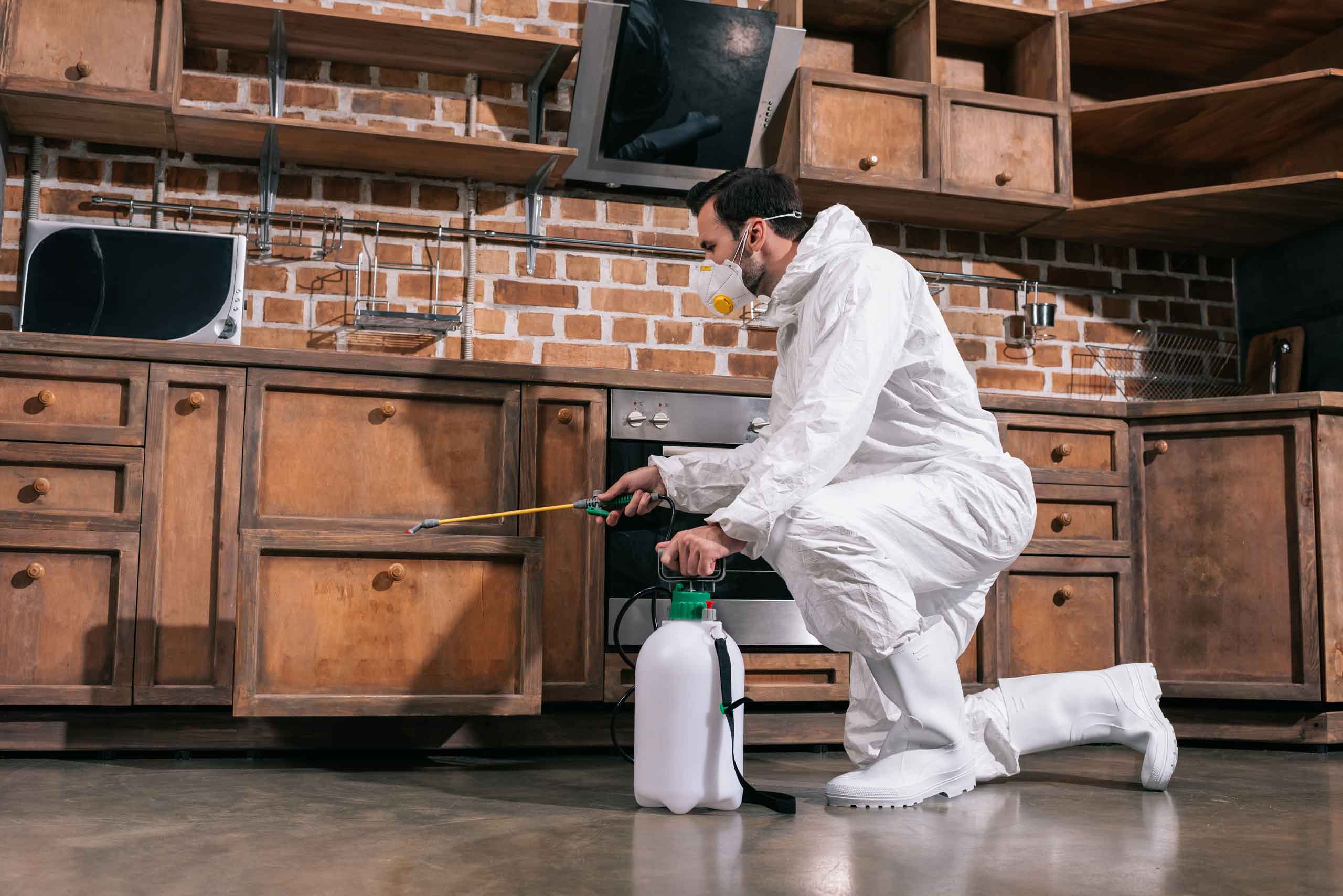
Targeted treatments designed to eliminate active termite colonies and protect your home from further damage.
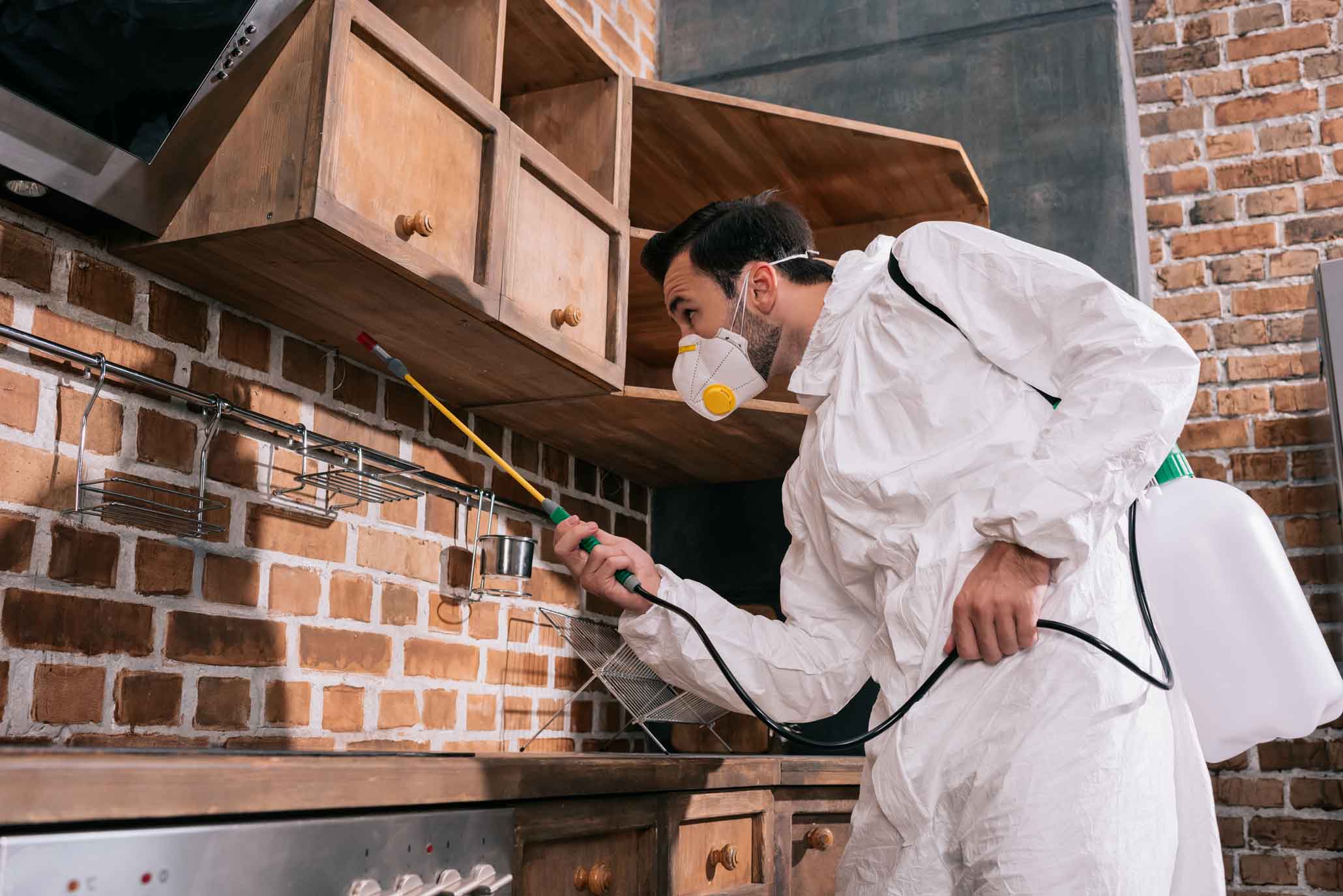
Long-lasting protection through soil treatments, baiting systems, and preventative barriers tailored to Coconut Grove homes.

Full-structure fumigation for severe infestations, delivering complete removal of termites and wood-destroying pests.
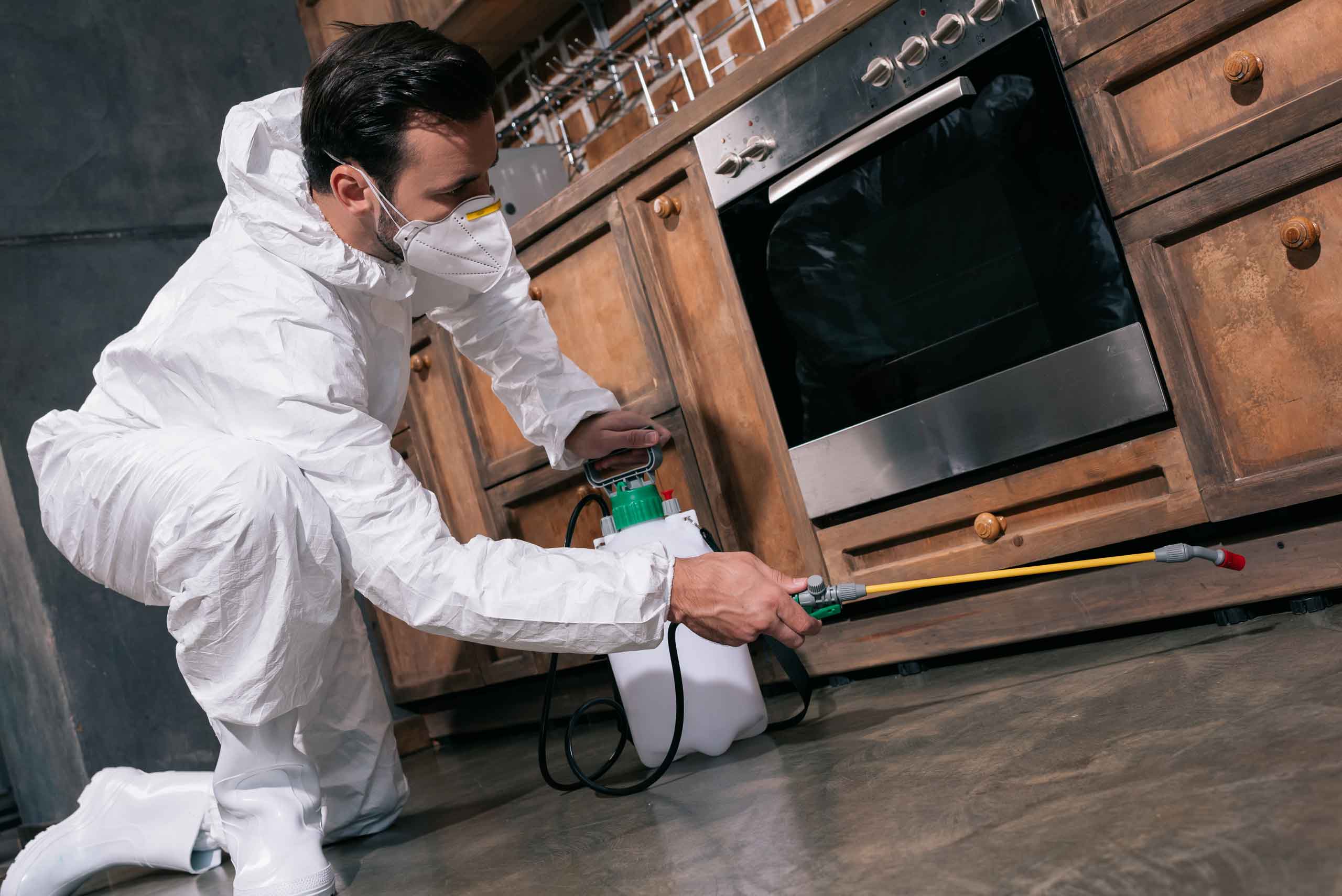
Fast and effective removal of ants, roaches, rodents, spiders, and other common Coconut Grove pests—safe for families and pets.

Specialized services to reduce moisture and protect wooden structures—helping prevent future termite activity.
Areas Served
City FL, Termite Exterminators
Testimonials
What Our Customers Say
Homeowners across Coconut Grove trust us to protect their properties from costly termite damage. Here’s what some of our clients have to say about their experience with our team.

“Their inspection was incredibly thorough, and the technician took time to answer all my questions. I felt informed and reassured throughout the entire process. Highly recommend!”

We had a serious termite problem in our warehouse, and this pest control team handled it quickly and professionally. Their technicians were friendly, explained every step clearly

“We discovered termites in our attic and panicked. Miami Termite Defense came out the same day, explained everything clearly, and treated the problem quickly. Our home has been termite-free ever since.”

We had a serious termite problem in our warehouse, and this pest control team handled it quickly and professionally. Their technicians were friendly, explained every step clearly

“We signed up for their annual protection plan, and it’s the best decision we made. The team is always on time, professional, and great at keeping our home safe from termites.”

We had a serious termite problem in our warehouse, and this pest control team handled it quickly and professionally. Their technicians were friendly, explained every step clearly

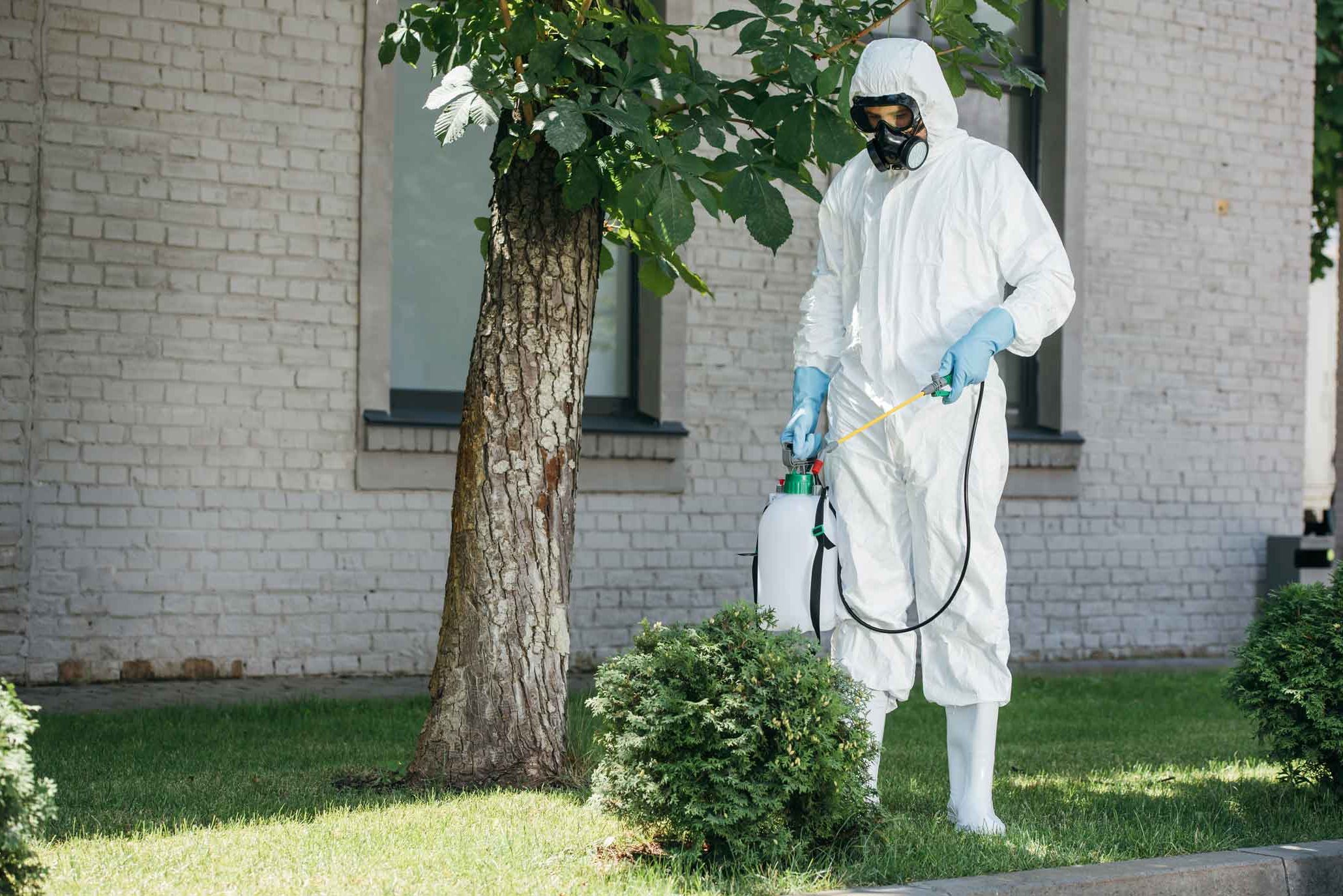
Why Choose Us
Trusted termite specialists protecting Coconut Grove homes
Company Value
Where Trusted Expertise Meets Modern Termite Protection
To provide Coconut Grove homeowners with the most reliable, high-quality termite protection available—ensuring safer, healthier homes for generations to come.
Our mission is to detect, eliminate, and prevent termite damage using modern treatment methods, expert technicians, and service built on integrity.
A simple promise backed by expertise, speed, and genuine care for our community.
Delivering trusted termite protection with care and integrity
- Trusted Experts
- Customer Focused
- Quality Driven
- Eco-Safe Products

Years Experience
Your reliable partner in termite-free living
We provide honest inspections, transparent pricing, and service built around your peace of mind.
We work closely with homeowners to build custom protection plans that fit your property and long-term needs.
Effective Termite Control Coconut Grove FL: Safeguard Your Property
Termites can cause significant damage to homes and buildings if left unchecked. Preventing a termite infestation is far more effective and economical than dealing with an active infestation. Below, we explore proactive measures you can take to protect your property from these destructive pests.
The Importance of Extermination Coconut Grove FL for Preventative Pest Control
Termites feed on wood, paper, and other cellulose-based materials. Over time, their infestations can weaken the structural integrity of your property, leading to costly repairs. By implementing preventive practices, you can reduce the likelihood of termites invading your home or business.
Effective Solutions from a Bed Bug Exterminator Coconut Grove FL
- Termites thrive in damp environments. Reducing excess moisture in and around your property is crucial.
- Ensure proper drainage around the foundation of your building.
- Fix leaky pipes, faucets, or air conditioning units promptly.
- Avoid placing wooden structures directly on soil as this provides easy access for termites.
- Use concrete platforms or metal barriers beneath wooden elements like decks or fences.
- Inspect your foundation for cracks or gaps that termites might exploit.
- Seal windows, doors, and utility entries with caulk or other appropriate sealants.
- Keep shrubs and trees trimmed back from the building to prevent termite bridges.
- Store firewood or lumber at least 20 feet away from structures.
- Avoid using mulch directly against the foundation; instead, opt for gravel or another non-wood alternative.
- Conduct routine inspections of your property to catch early signs of termite activity.
- Monitor areas like crawl spaces, basements, and attics where termites may establish colonies.
DIY vs Professional Inspections for Rodent Control Coconut Grove FL
| Feature | DIY Approach | Professional Inspections |
| Cost | Lower upfront cost | Higher initial cost |
| Detection Accuracy | Limited by experience | Advanced tools (moisture meters) |
| Risk of Infestation | Higher if improper methods are applied | Reduced due to expert assessment |
While DIY methods may seem appealing due to lower costs initially, professional inspections often provide more comprehensive protection against termites.
Using Termite-Resistant Materials
One effective prevention strategy includes using termite-resistant materials during construction or renovations: – Pressure-treated wood – Concrete – Steel framing – Naturally resistant woods like cedar or redwood
Incorporating these materials into critical areas such as foundations, flooring, and structural beams can significantly deter termite activity over time.
Preventing a termite infestation requires diligence and consistent effort. By monitoring conditions around your property and taking proactive steps toward minimizing risk factors such as moisture buildup or wood contact with soil, you create an inhospitable environment for termites while protecting the longevity of your structure.
Effective Strategies for Preventing Termite Infestations in Coconut Grove FL
Preventing termite infestations is essential to safeguarding your property from costly damage. Termites thrive in conditions where moisture, wood, and soil come into contact. By implementing effective prevention strategies, you can significantly reduce the risk of an infestation. Below are actionable steps and practical measures to deter termites.
1. Reduce Moisture Around Your Property
Termites are attracted to damp environments, which provide an ideal setting for them to thrive. To limit moisture accumulation:
– Repair leaky pipes, faucets, or air conditioning units promptly.
– Ensure downspouts and gutters direct water away from the foundation of your property.
– Use dehumidifiers in basements or crawl spaces that are prone to humidity buildup.
– Avoid allowing standing water near the structure by filling low areas with gravel or soil.
2. Eliminate Wood-to-Soil Contact
The foundation of most properties can become a hotspot for termites if wood directly contacts soil. To create a barrier:
– Maintain at least an 18-inch gap between any wooden parts of your building (e.g., siding) and the ground.
– Use concrete supports or metal barriers for wooden structures like decks or porches touching the ground.
– Replace mulch near the structure with non-organic materials such as gravel.
3. Store Wood and Debris Properly
Termites feed on cellulose-rich materials such as wood and paper products left around the property:
– Keep firewood, lumber, or cardboard away from structures by storing them at least 20 feet from your home or business building.
– Regularly remove plant debris like tree stumps, fallen logs, and leaves close to your foundation.
| Material | Safe Distance from Structure |
| Firewood | At least 20 feet |
| Mulch | At least 15 inches |
| Lumber/Building Debris | At least 15–20 feet |
4. Ensure Proper Ventilation
Poor airflow can lead to dampness—a key factor that attracts termites:
– Install ventilation vents in crawl spaces to maintain airflow underneath buildings.
– Consider using fans in confined areas where natural air circulation is not sufficient.
5. Inspect Your Property Periodically
Regular inspections help identify potential entry points and early signs of termite activity before they cause significant problems:
1) Look for mud tubes along walls or foundations—these small tunnels serve as pathways for subterranean termites. 2) Tap exposed wood structures; hollow-sounding timber may indicate termite damage. 3) Check window sills, baseboards, and attics for discarded wings or droppings (also known as frass).
Scheduling professional inspections annually can also ensure thorough detection.
6. Consider Preventative Treatments
If you live in regions prone to termite infestations—or have had past issues—investing in preventative treatments may be worthwhile: – Apply liquid termiticides around the perimeter of your home. – Utilize bait stations strategically placed underground.
Both chemical barriers and bait systems are long-term solutions that work effectively when installed by licensed pest control professionals.
Incorporating these strategies into routine maintenance will not only protect your property but also help you avoid costly repairs caused by these destructive pests over time.
Effective Pest Control Coconut Grove FL: Effective Pest Control Services Coconut Grove FL to Safeguard Your Property
Understanding termite behavior is essential to effectively protect your home or business from potential infestations. By gaining insight into how termites operate, feed, and thrive, property owners can take informed steps to minimize risks and implement effective prevention strategies.
Common Types of Termites and Their Habits
- Live in soil and build mud tubes to access wood above ground.
- Require moisture to survive and often infest foundations, walls, or areas with water leaks.
- Do not require contact with soil and primarily live within dry wood.
- Often found in furniture, wooden floors, or structural timber.
- Prefer decayed or moist wood and are commonly associated with water-damaged areas.
- Less likely to damage dry structures but still pose a threat if moisture issues exist.
Understanding these distinctions can guide targeted protective measures for each type of termite.
How Termites Access Structures
- Foundation Cracks: Subterranean termites often enter through tiny gaps in the foundation.
- Wood-to-Soil Contact: Wooden structures touching the ground provide easy access for termites.
- Moisture Sources: Leaking pipes, clogged gutters, or poor drainage create an ideal environment for termites.
- Openings in Roofs or Walls: Drywood termites can enter through exposed cracks in roofing materials or siding.
By identifying these vulnerabilities early on, you can reduce the risk of entry.
Signs of Termite Activity
| Observation | Possible Cause |
| Mud tubes on walls | Subterranean termites creating travel paths |
| Hollow-sounding wood | Internal termite tunneling |
| Discarded wings near windows | Swarming termites looking to establish colonies |
| Frass (termite droppings) | Evidence of drywood termite activity |
If any of these signs are noticed, professional assessment is recommended as soon as possible.
Practical Tips for Reducing Risk
- Eliminate Moisture Sources: Fix leaky pipes and ensure proper drainage around your property.
- Seal Entry Points: Close gaps around utility lines, windowsills, and doors.
- Maintain Distance Between Soil and Wood: Use concrete barriers or treated lumber where possible.
- Inspect Regularly: Conduct routine checks for early signs of termite activity.
- Store Wood Properly: Keep firewood elevated off the ground and away from your building.
These practical steps can significantly lower the chance of infestation while preserving the integrity of your structure.
By understanding how termites behave—what attracts them and how they invade—you can make informed decisions to safeguard both residential and commercial properties long-term.
Protect Your Home or Business by Understanding Termite Behavior
Understanding termite behavior is critical to safeguarding your home or business from infestations. Termites are social insects that thrive in colonies, and their ability to remain hidden while causing structural damage makes them a significant threat. By learning how termites operate and what attracts them, you can take proactive measures to protect your property.
The Basics of Termite Behavior
- Colony Structure: Termite colonies are divided into castes—workers, soldiers, and reproductives. Each caste plays a specific role in the survival of the colony.
- Workers: These termites are responsible for feeding the colony by foraging and breaking down wood.
- Soldiers: Their main role is defending the colony from predators such as ants.
- Reproductives: This group includes the queen and king who ensure the growth of the colony through reproduction.
- Feeding Habits: Termites consume cellulose materials non-stop due to their symbiotic relationship with gut microbes that digest tough fibers.
- Swarming Behavior: Winged reproductive termites (alates) swarm during warm seasons to establish new colonies. Seeing swarms near your property can indicate an infestation nearby.
What Attracts Termites?
- Leaking pipes
- Poor drainage around foundations
- Excessive humidity
- Wooden structures such as decks or fences in direct contact with soil provide easy access for termites.
- Piles of firewood stacked near walls
- Dead tree stumps or mulch close to structures
| Attractant | Why It Matters | How to Mitigate |
| Moisture | Essential for survival | Fix leaks; improve drainage |
| Wood-to-soil contact | Direct pathway for infestation | Use treated wood; keep wood elevated |
| Organic debris | Provides food source | Clear away debris; store firewood far from home |
Signs of Termite Activity
- Hollow-sounding wood when tapped
- Mud tubes along walls or foundations
- Discarded wings near windowsills or entry points
- Small holes in wooden surfaces paired with sawdust-like frass
Regular inspections can help identify these warning signs before serious issues develop.
Proactive Steps with Top Pest Control Companies Coconut Grove FL
- Eliminate moisture sources around your property.
- Store cellulose-based materials like firewood away from buildings.
- Treat wooden structures with termite-resistant coatings or chemicals.
- Schedule routine inspections by professionals trained in detecting hidden colonies.
An informed approach ensures that your preventative actions address the root causes of termite attraction while minimizing risks effectively.
Effective Solutions from an Exterminator Coconut Grove FL to Eliminate Termite Infestations
Termites can cause severe structural damage if left unattended, making professional treatment an essential strategy for combating infestations. While DIY methods may work for minor issues, professional extermination ensures a comprehensive and long-lasting solution. Below are insights into effective termite control through professional services.
Why Choose Professional Treatments?
- Thorough Inspections: Trained exterminators use specialized tools to detect termites in hidden areas like walls, attics, or beneath the foundation.
- Tailored Treatment Plans: Experts design customized solutions based on the species of termites present and the extent of the infestation.
- Safe Application of Chemicals: Professionals use approved termiticides and alternate treatments safely while minimizing risks to people and pets.
- Prevention Strategies: Beyond eradication, they provide guidance to prevent future infestations.
Common Professional Termite Treatments
- A chemical barrier is created in the soil around your property to stop termites from entering structures.
- These treatments can last several years when applied correctly by a specialist.
- Baits containing slow-acting insecticides are strategically placed around a property.
- Worker termites carry these baits back to their colony, eliminating it over time.
- For severe infestations, fumigation involves sealing the building and introducing gas that penetrates all areas.
- This approach kills entire colonies within days but requires temporary vacating of the property.
- Heat is used as an eco-friendly alternative to chemicals in localized infestations.
- High temperatures eradicate termites without harmful residues.
| Treatment Type | Best For | Pros | Cons |
| Liquid Termiticides | Subterranean termite prevention | Long-lasting; effective barrier | Requires trenching or drilling |
| Baiting Systems | Targeted elimination of colonies | Minimal disruption; eco-friendly | Slower than other methods |
| Fumigation | Widespread or difficult-to-access colonies | Complete eradication | Expensive; inconvenient |
| Heat Treatments | Small-scale or spot infestations | Chemical-free; quick application | Limited applicability |
Post-Treatment Maintenance
- Schedule regular inspections (at least annually) with a pest control service.
- Seal cracks and crevices in your home’s foundation or walls.
- Reduce moisture levels in crawl spaces and basements by improving ventilation.
- Remove wood debris from areas surrounding your property.
When Should You Call a Professional?
It’s vital to act promptly if you notice signs such as mud tubes, discarded wings, hollow-sounding wood, or frass (termite droppings). Delaying treatment only increases repair costs and structural risks.
By leveraging professional expertise alongside proactive care measures, you can safeguard your property against destructive termite infestations effectively.