
WELCOME TO South Miami HeightsTERMITE DEFENSE
Termite Exterminators in South Miami Heights, FL
Termites thrive in South Florida’s heat and humidity. Our local specialists use advanced detection and treatment to stop active infestations and protect your home year-round.
Feedback
60k

Our service
Effective termite protection for a damage-free home.
Expert termite solutions for long-lasting home protection.
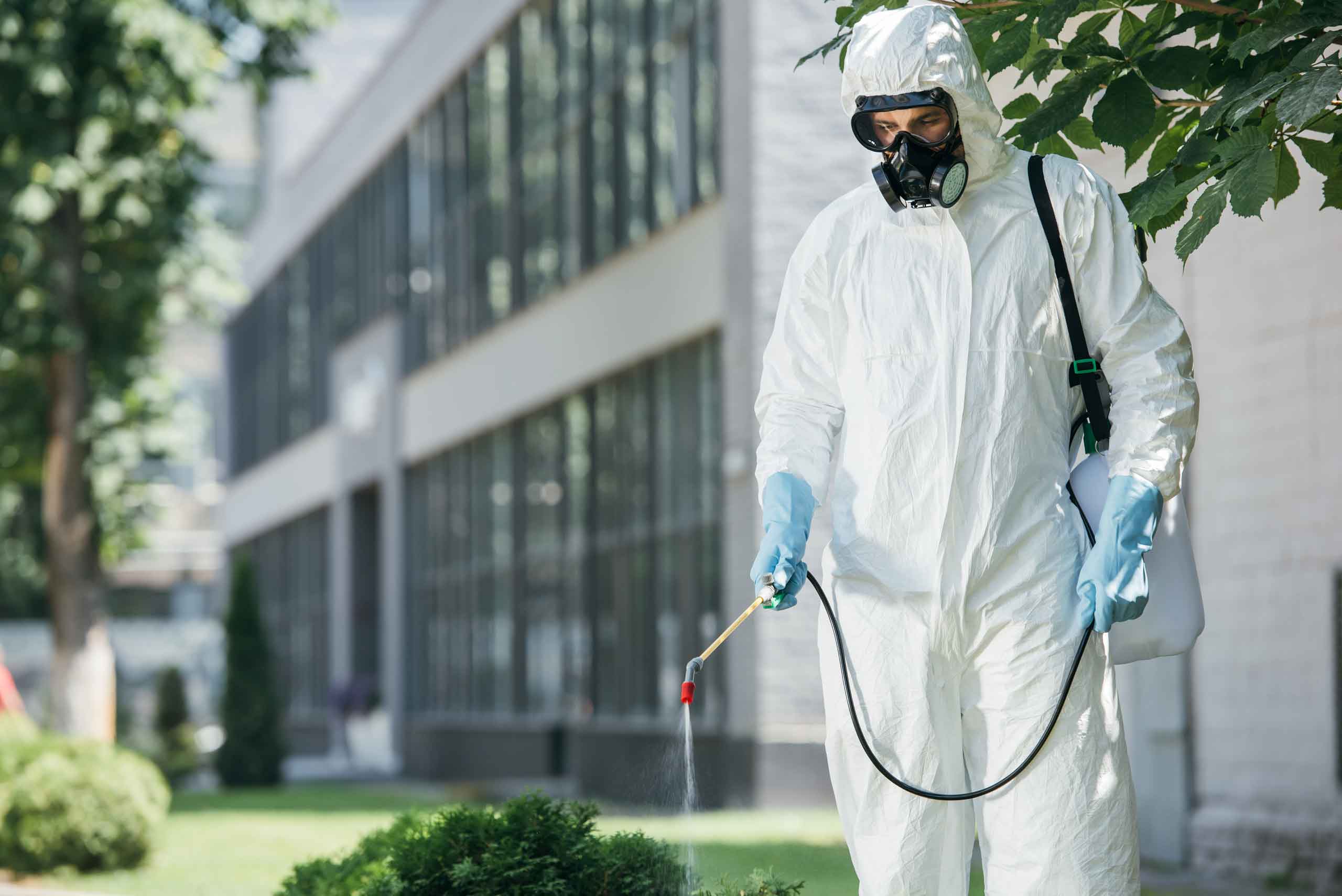
Termites are a serious threat in South Miami Heights’s humid climate. Our certified specialists use industry-leading technology to detect, eliminate, and prevent termite activity—keeping your home protected year-round.

Years experience
Advanced termite treatment tailored to South Miami Heights homes.
Family-safe and pet-safe solutions that protect without harsh chemicals.
Local experts with deep knowledge of Florida’s toughest termite species.
What we offer
Your trusted partner for complete termite & pest protection

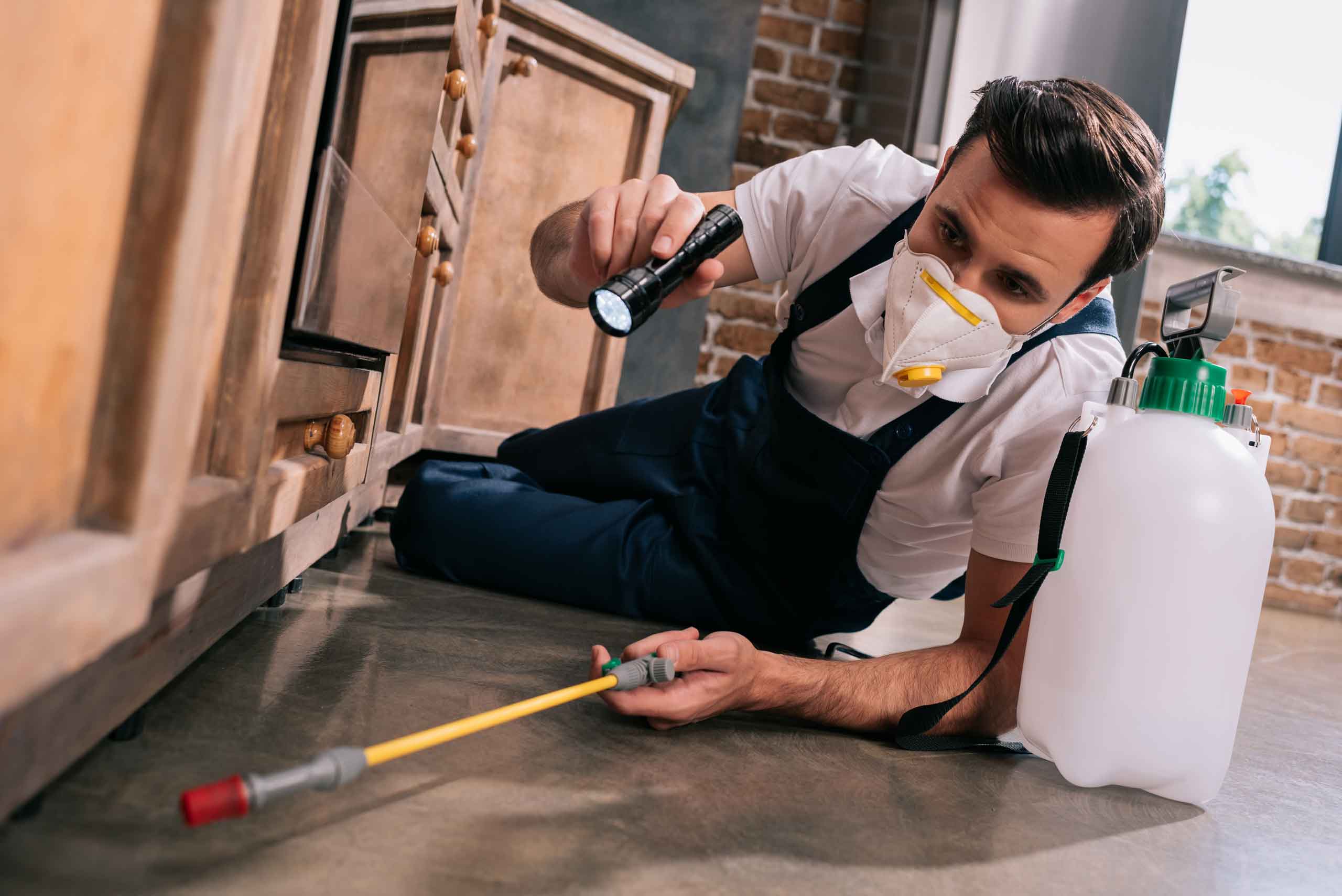
Comprehensive termite inspections using advanced detection tools to identify hidden activity and structural risks.
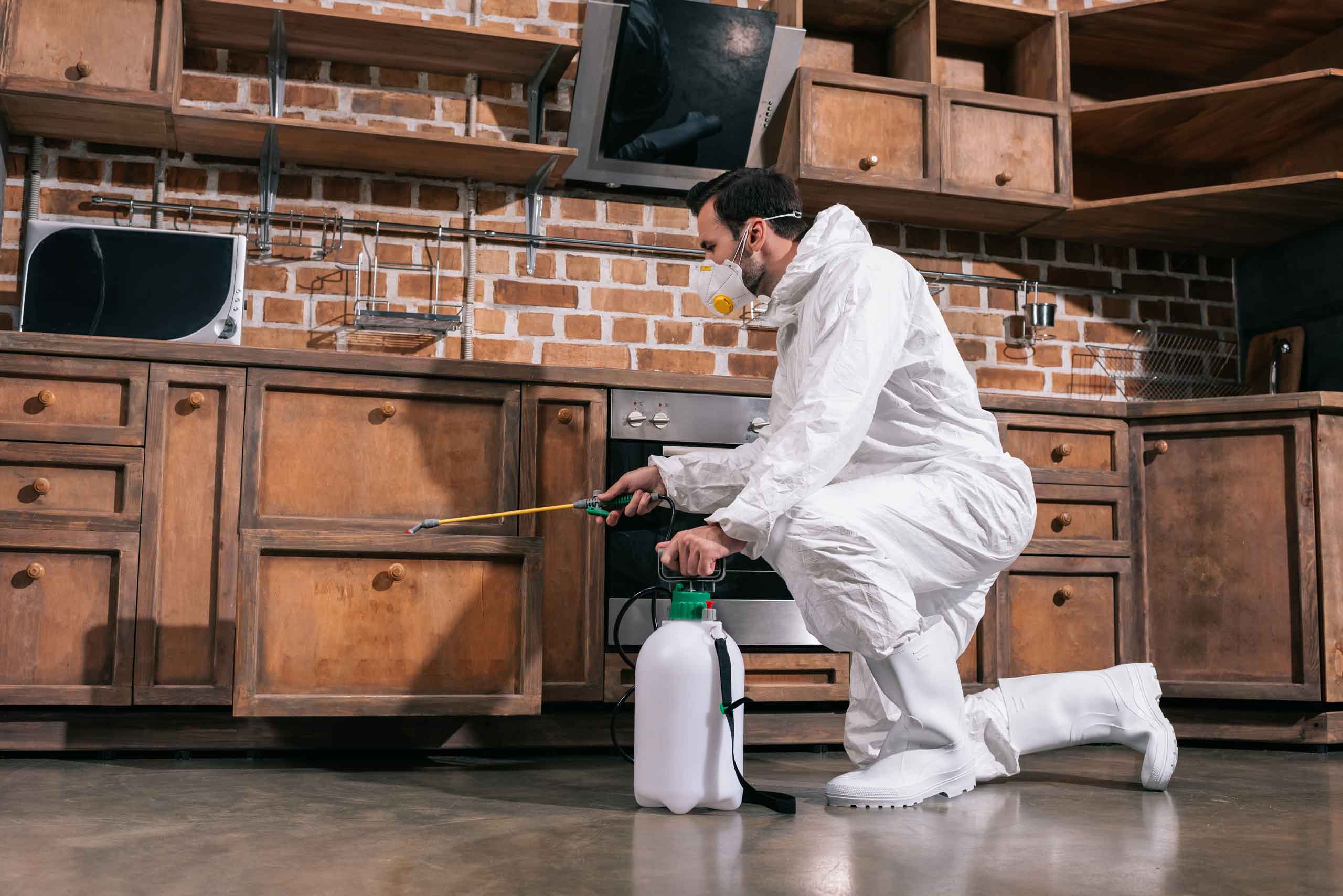
Targeted treatments designed to eliminate active termite colonies and protect your home from further damage.
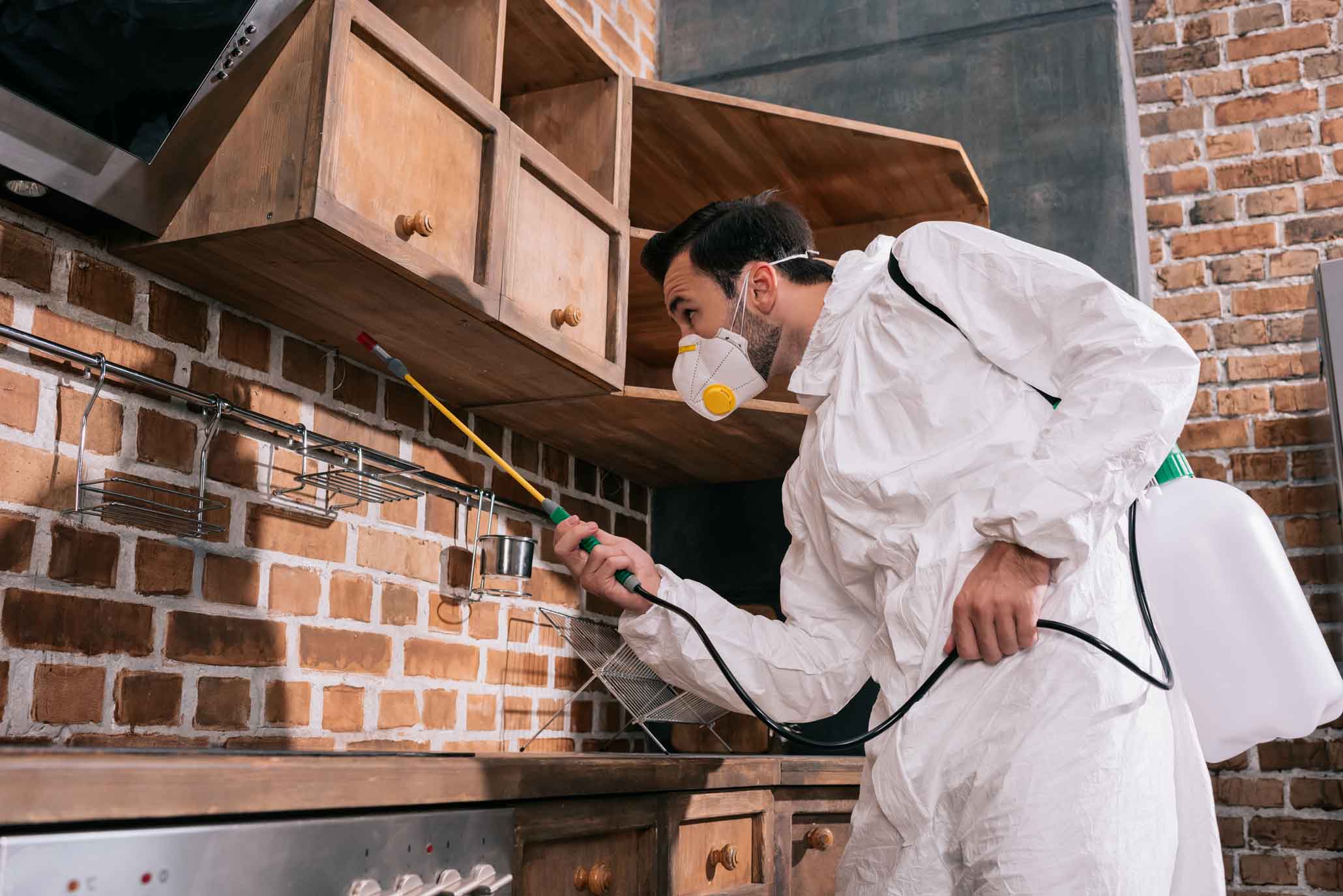
Long-lasting protection through soil treatments, baiting systems, and preventative barriers tailored to South Miami Heights homes.
Full-structure fumigation for severe infestations, delivering complete removal of termites and wood-destroying pests.
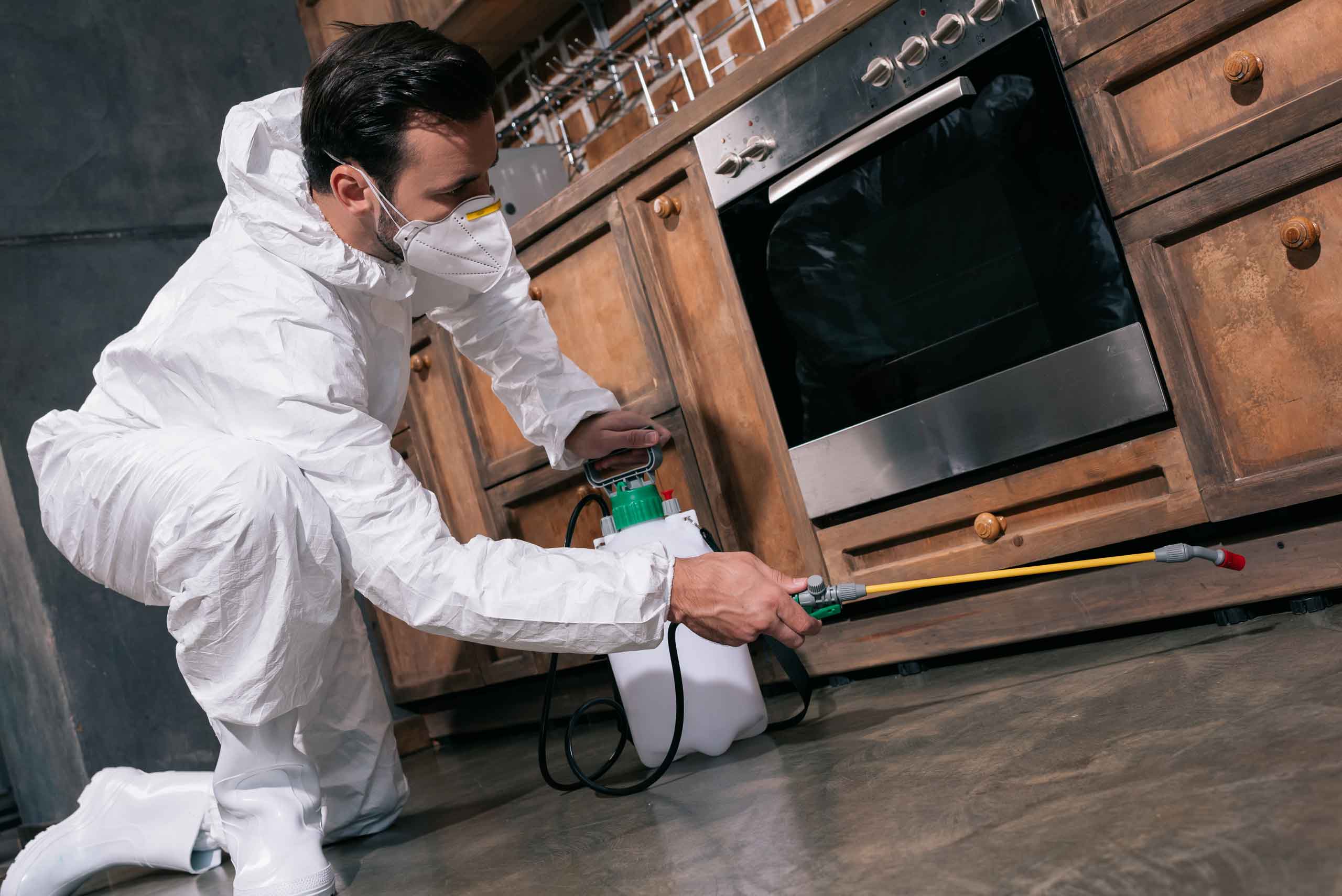
Fast and effective removal of ants, roaches, rodents, spiders, and other common South Miami Heights pests—safe for families and pets.
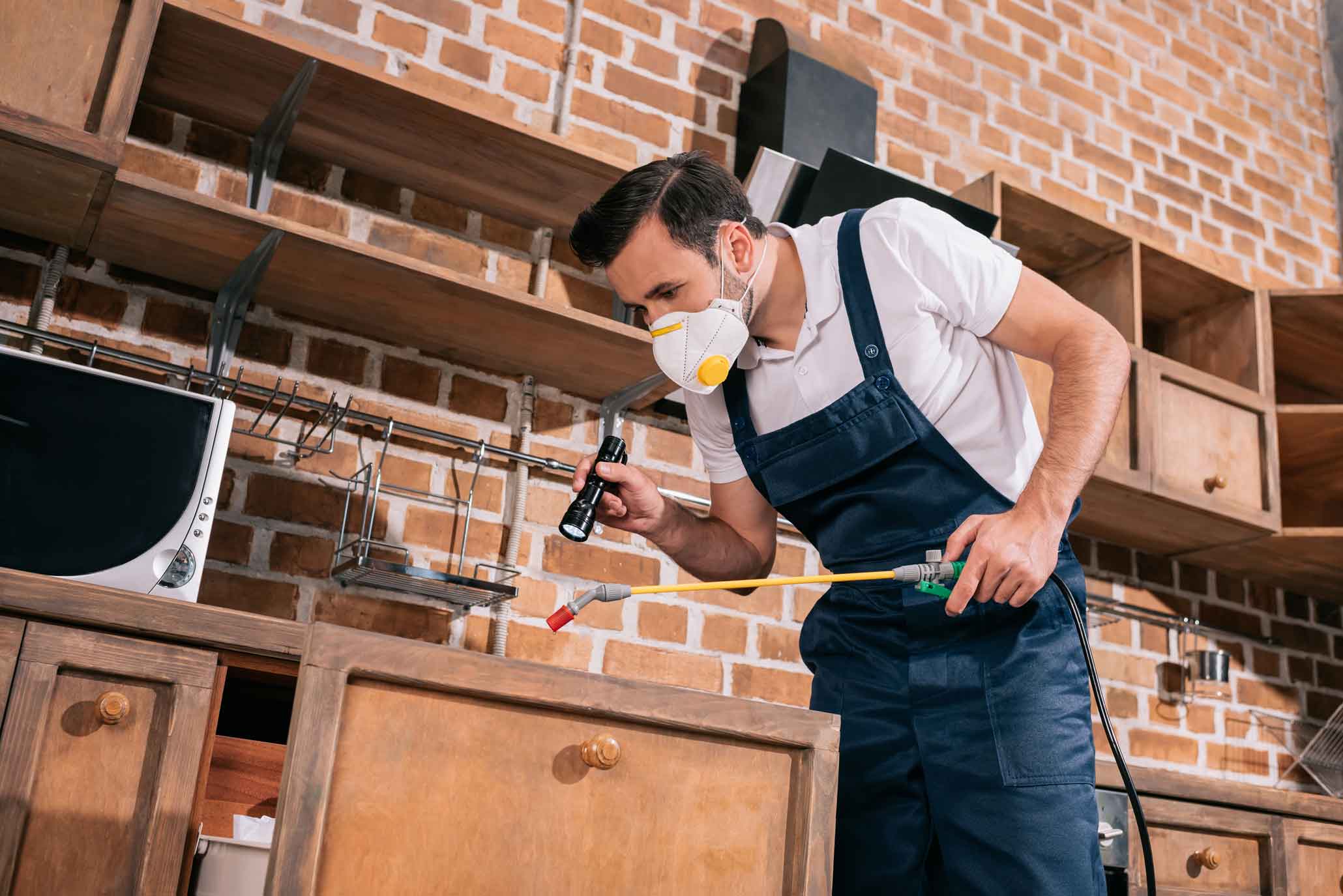
Specialized services to reduce moisture and protect wooden structures—helping prevent future termite activity.
Areas Served
City FL, Termite Exterminators
Testimonials
What Our Customers Say
Homeowners across South Miami Heights trust us to protect their properties from costly termite damage. Here’s what some of our clients have to say about their experience with our team.

“Their inspection was incredibly thorough, and the technician took time to answer all my questions. I felt informed and reassured throughout the entire process. Highly recommend!”

We had a serious termite problem in our warehouse, and this pest control team handled it quickly and professionally. Their technicians were friendly, explained every step clearly

“We discovered termites in our attic and panicked. Miami Termite Defense came out the same day, explained everything clearly, and treated the problem quickly. Our home has been termite-free ever since.”

We had a serious termite problem in our warehouse, and this pest control team handled it quickly and professionally. Their technicians were friendly, explained every step clearly

“We signed up for their annual protection plan, and it’s the best decision we made. The team is always on time, professional, and great at keeping our home safe from termites.”

We had a serious termite problem in our warehouse, and this pest control team handled it quickly and professionally. Their technicians were friendly, explained every step clearly

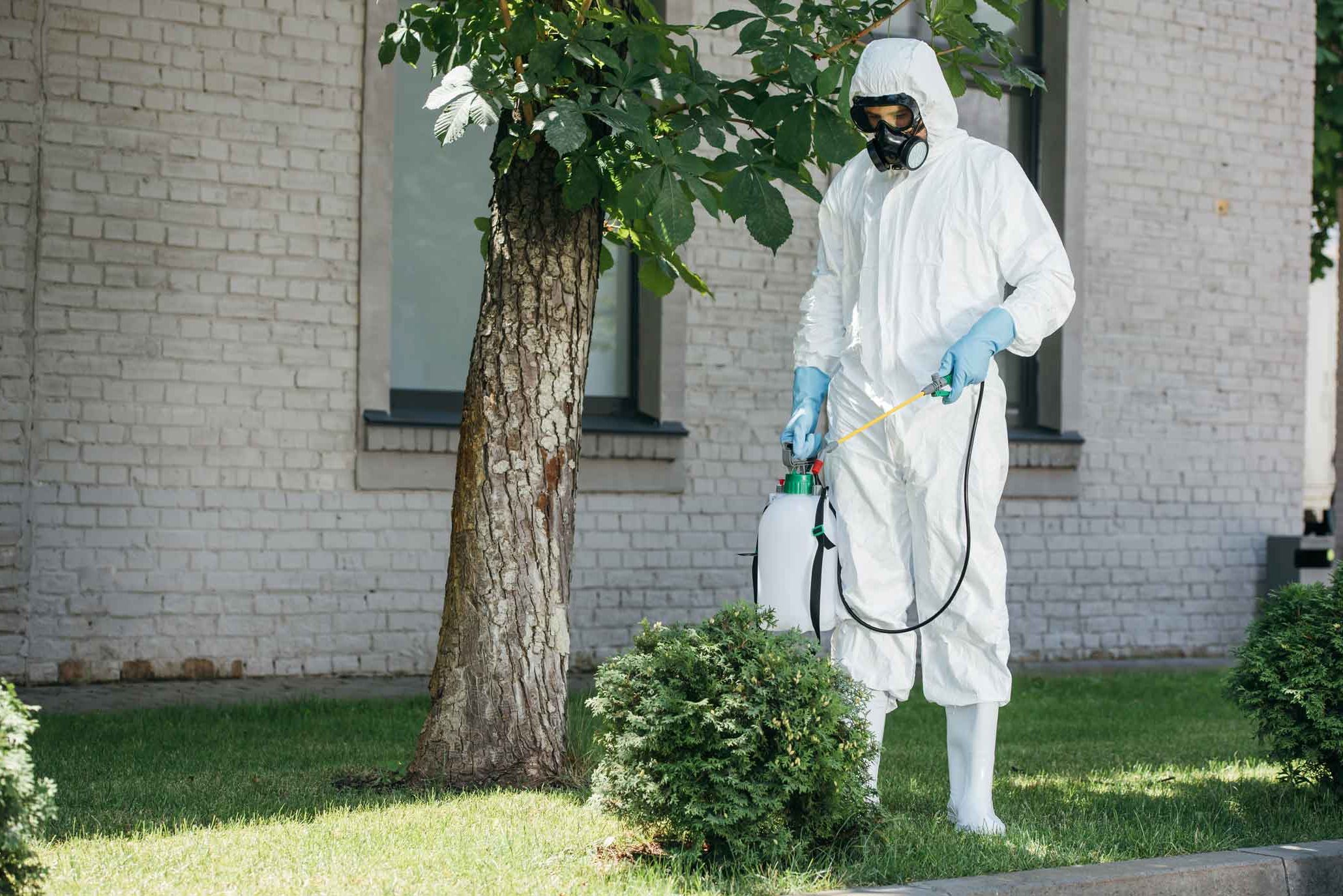
Why Choose Us
Trusted termite specialists protecting South Miami Heights homes
Company Value
Where Trusted Expertise Meets Modern Termite Protection
To provide South Miami Heights homeowners with the most reliable, high-quality termite protection available—ensuring safer, healthier homes for generations to come.
Our mission is to detect, eliminate, and prevent termite damage using modern treatment methods, expert technicians, and service built on integrity.
A simple promise backed by expertise, speed, and genuine care for our community.
Delivering trusted termite protection with care and integrity
- Trusted Experts
- Customer Focused
- Quality Driven
- Eco-Safe Products

Years Experience
Your reliable partner in termite-free living
We provide honest inspections, transparent pricing, and service built around your peace of mind.
We work closely with homeowners to build custom protection plans that fit your property and long-term needs.
Effective Pest Control South Miami Heights FL: Preventing Termites When Building a Home
When constructing a home, preventing termites should be a top priority. These pests can cause significant structural damage if left unchecked, resulting in costly repairs and potential safety hazards. By implementing effective strategies during the building process, homeowners can safeguard their investment and maintain the integrity of their property.
Choose the Right Location
Termite prevention begins with selecting an appropriate building site. Consider the following factors:
– Avoiding high-moisture areas: Termites thrive in damp conditions, so ensure proper drainage around the site.
– Clearing organic debris: Remove dead wood, stumps, and other organic matter that could attract termites.
– Checking for nearby infestations: Inspect the area for signs of existing termite colonies before breaking ground.
Use Strategic Building Techniques
Incorporating termite-resistant practices during construction is crucial. Here are some methods to reduce vulnerability:
1. Elevate foundations: Avoid direct soil-to-wood contact by raising wooden elements above ground level. 2. Install physical barriers: Use stainless steel mesh or sand barriers beneath foundations to block termite entry points. 3. Design access points carefully: Seal cracks in concrete slabs and gaps around utility lines to minimize entry routes for termites.
Focus on Landscaping Practices
The surrounding environment plays a significant role in termite prevention. Adopt these landscaping measures near your home’s foundation: – Maintain at least 18 inches of clearance between soil and wooden siding or structural components. – Avoid planting vegetation too close to the home’s exterior walls as it may create moisture buildup. – Use gravel or crushed stone instead of mulch near foundations since mulch can attract termites.
Benefits of Preconstruction Termite Treatment
Applying preconstruction treatments provides long-lasting protection against termites by creating barriers between your home and potential infestations: | Treatment Type | Description | |———————————|—————————————————————————–| | Chemical Soil Treatments | A liquid termiticide is applied to the soil under and around the foundation to deter termites from tunneling through it. | | Borate Wood Treatments | Wood surfaces are treated with borate solutions that make them unappealing to termites while preserving structural integrity. | | Physical Barriers | Incorporating physical layers like metal flashing or fine mesh prevents subterranean termites from accessing wooden structures.|
Regular Inspections and Maintenance
Consistent monitoring is essential even after following preventive measures during construction: – Schedule annual inspections by pest control professionals. – Quickly address water leaks or drainage issues that could increase moisture levels. – Keep wooden structures (e.g., decks or fences) well-maintained and inspect them regularly for early signs of infestation.
By combining these strategies during construction, you can significantly reduce your home’s risk of falling victim to termites while ensuring its longevity and structural stability over time.
Effective Termite Control in South Miami Heights FL with Treated Wood and Resistant Materials
When aiming to protect your home from termites, using treated wood and termite-resistant materials is a vital strategy. Termites have a natural appetite for cellulose-based materials like wood, making untreated timber susceptible to infestations. Incorporating resistant materials can significantly reduce the risk of damage over time.
Top Benefits of Pest Control Services South Miami Heights FL
- Increased durability: Treated wood lasts longer by resisting decay and termite attacks.
- Cost-effectiveness: While the initial investment may be higher, it reduces long-term repair costs caused by termite damage.
- Environmental adaptability: Treated wood is better equipped to withstand moisture buildup, which can attract termites.
Effective Building Materials Recommended by Pest Control Companies South Miami Heights FL
- Non-cellulose materials like concrete and steel are naturally termite-resistant.
- Ideal for foundations, basements, or structures in areas prone to heavy termite activity.
- Engineered products such as medium-density fiberboard (MDF) or hardwood composites often include additives that deter pests.
- These alternatives are less attractive to termites compared to natural wood.
- Made from a mix of cement and cellulose fibers, these boards are highly resistant to termites.
- Commonly used in siding and roofing applications.
- This type of lumber is infused with chemical preservatives like borate compounds that repel termites effectively.
| Material Type | Resistance Level | Common Usage Areas |
| Pressure-Treated Wood | High | Decks, framing, outdoor structures |
| Fiber Cement Boards | High | Siding, roofing |
| Concrete | Very High | Foundations |
| Composite Wood | Medium | Flooring, cabinetry |
Effective Tips from an Exterminator South Miami Heights FL on Treated and Resistant Materials
- Inspect certifications: Ensure all treated woods meet industry standards like AWPA (American Wood Protection Association).
- Choose appropriate treatments: Select treatments based on climate conditions; for instance, borate-treated wood works well in dry climates but may lose efficacy in wet environments.
- Combine strategies: Use resistant materials alongside other prevention methods such as soil barriers or physical shields.
By incorporating treated wood and other termite-resistant building materials into construction projects, homeowners can establish robust defenses against potential infestations while improving the longevity of their properties.
Effective Extermination South Miami Heights FL: The Role of Proper Sealant Application to Prevent Termites
Termites are relentless pests that can cause severe structural damage if left unchecked. One of the most effective measures to prevent infestations is the proper application of sealants. This process creates a physical barrier that denies termites access to vulnerable areas of your home. Below, we’ll explore why sealants matter, key areas for application, and best practices for ensuring lasting protection.
Why Sealant Application Matters
Sealants serve as a protective layer, sealing cracks and crevices in various parts of your home where termites could potentially enter. Without these barriers, subterranean termites, which are known for creating tunnels to reach wood structures, can exploit even the smallest openings.
Key benefits include: – Blocking Entry Points: Sealants prevent termites from accessing wooden elements through gaps or holes in the structure. – Moisture Control: Proper sealing also reduces moisture accumulation, which is a significant attractant for termites. – Enhanced Structural Longevity: By minimizing termite access and moisture exposure, you extend the lifespan of your home’s materials.
Key Areas for Sealant Application
- Foundation Cracks: Inspect and seal any cracks in the foundation to eliminate easy entry points.
- Windows and Doors: Ensure frames are tightly sealed to avoid termite intrusion in these common access points.
- Utility Openings: Pipes, wires, and vents often leave small gaps where termites can squeeze through; use caulk or silicone-based sealants here.
- Roofline Features: Check joints around roofing components such as fascia boards and soffits.
- Crawl Spaces and Basement Walls: These areas are particularly prone to moisture accumulation and termite activity.
Best Practices for Applying Sealants
- For exterior applications, use weather-resistant silicone-based or polyurethane-based sealants.
- For interior spaces like basements or crawl spaces, opt for water-resistant acrylic latex caulk.
| Type of Sealant | Recommended Use | Key Benefit |
| Silicone-Based | Exterior cracks | High durability; waterproof |
| Polyurethane-Based | Exterior gaps | Flexible; resists weathering |
| Acrylic Latex | Interior spaces | Easy application; water-resistant |
- Clean surfaces before applying any product to ensure proper adhesion.
- Remove debris or loose material from cracks using a brush or vacuum.
- Use a caulking gun for precise application along edges and gaps.
- Smooth out the applied material with a putty knife or your finger (wear gloves) for uniform coverage.
- Inspect sealed areas annually to look for wear-and-tear or new vulnerabilities that require attention.
Limitations of Sealant Usage
While sealants are effective against termite intrusion when applied correctly, they should not be relied upon as standalone solutions. Integrate them into a broader pest prevention strategy that includes soil treatments, routine inspections, and termite-resistant building materials.
By focusing on proper sealant applications alongside other preventive measures, homeowners can significantly reduce their risk of a costly termite infestation while maintaining the integrity of their properties over time.
The Importance of Hiring a Bed Bug Exterminator South Miami Heights FL for a Pest-Free Home
Soil treatment is a fundamental strategy in termite prevention, especially for newly constructed homes and buildings. Given termites’ ability to tunnel through soil in search of food sources like wood, treating the soil beneath and around your home creates a barrier that deters infestation. This process, when performed correctly, can provide long-term protection against these destructive pests. Below is an overview of why soil treatment is essential and how it works.
Why Soil Treatment is Crucial
- Barrier Creation: Treated soil creates a chemical shield that repels or kills termites before they can reach the foundation or structure of the home.
- Long-Term Efficiency: With proper application, modern soil treatments remain effective for several years, requiring minimal maintenance.
- Foundation Protection: The areas around and under the foundation are highly vulnerable to termites. Soil treatment focuses on these critical zones to prevent infiltration.
- Environmental Adaptation: In areas with high termite activity, pre-treatment of the soil ensures homes are better equipped to resist infestations.
Types of Soil Treatments
- Liquid Termiticides: A liquid chemical barrier is applied directly to the soil surrounding and beneath the foundation. These treatments are highly effective at killing termites on contact or repelling them from the treated zones.
- Termite Baiting Systems: Bait stations placed strategically around the property attract termites to consume a slow-acting pesticide that disrupts their colony over time.
| Type of Treatment | Application Method | Key Benefits |
| Liquid Termiticides | Sprayed or injected into soil | Immediate action; long-lasting impact |
| Baiting Systems | Stations inserted into ground | Targeted approach; colony elimination |
Best Practices for Effective Soil Treatment
- Engage pest control professionals early in your building process.
- Ensure all pre-treatment applications cover areas under slabs and around foundations thoroughly.
- Employ licensed pest control companies familiar with local termite behavior and regulations.
- Professionals will ensure correct chemical usage and proper application techniques.
- Over time, weathering or construction modifications can reduce effectiveness.
- Schedule periodic inspections to assess whether re-treatment is necessary.
- Pair soil treatments with other strategies like sealing cracks in foundations or using treated wood materials for structural elements.
The Role of Regular Inspections
- Check areas near foundations for signs of termite activity (e.g., mud tubes).
- Look out for hollow-sounding wood or discarded wings near windowsills.
- Engage professionals annually to inspect treated zones for potential breaches.
By integrating quality soil treatments into your building plan alongside other preventative measures, you greatly reduce the risk of termite damage over time while safeguarding your investment effectively.
Effective Ways to Protect Your Home from Termites South Miami Heights FL
Crawl spaces can be vulnerable areas in a home, providing termites with easy access to wooden structures and moisture—the two key elements they need to survive and thrive. Encapsulating your crawl space is one of the most effective ways to safeguard your home against termite infestations. This process involves sealing off this area from external environmental factors and eliminating conditions that attract termites. Here’s a detailed look at how encapsulation works and why it is essential for termite prevention.
Understanding Rodent Control in South Miami Heights FL: Crawl Space Encapsulation Explained
Crawl space encapsulation is the process of sealing the floor, walls, and vents of your crawl space with vapor barriers or reinforced polyethylene sheets. This technique reduces moisture levels while controlling temperature fluctuations in the area beneath your home, creating an inhospitable environment for termites.
The process typically includes: – Installing a Vapor Barrier: A thick sheet of plastic or polyethylene is laid across the ground and attached to the walls. – Sealing Vents: Any open vents are closed off to prevent external air from entering. – Dehumidification: A crawl space dehumidifier may be added to further reduce moisture levels. – Insulating Walls: Insulation helps regulate temperature control while minimizing condensation.
Why Moisture Control Matters
Termites are highly attracted to damp environments because they require moisture for survival. By reducing humidity in your crawl space through encapsulation: – You deprive termites of the conditions they need for colonization. – You minimize water damage, which could otherwise soften wood and make it easier for termites to chew through structural elements.
| Condition | Impact on Termites | Effectiveness of Encapsulation |
| High Moisture Levels | Attracts termites | Low |
| Moderate Humidity | May still sustain colonies | Medium |
| Low Moisture Levels | Deters termite activity | High |
Additional Benefits of Crawl Space Encapsulation
Encapsulation offers more than just termite protection. Some additional benefits include: 1. Improved Indoor Air Quality: Sealing off crawl spaces prevents allergens, mold spores, and other harmful particles from circulating throughout your home. 2. Energy Efficiency: Proper insulation reduces energy loss by stabilizing indoor temperatures. 3. Structural Integrity: Protecting wooden components from excess moisture ensures long-term durability.
Best Practices for Effective Crawl Space Encapsulation
To maximize its effectiveness against termites: – Use professional-grade materials like reinforced vapor barriers that are resistant to tears or punctures. – Inspect for existing termite damage before beginning encapsulation work; address any infestations prior to sealing. – Combine encapsulation with other preventative measures such as soil treatments or treated lumber during construction.
By implementing these strategies alongside regular inspections, you can significantly reduce the risk of costly termite infestations in your home over time.