
WELCOME TO West Little RiverTERMITE DEFENSE
Termite Exterminators in West Little River, FL
Termites thrive in South Florida’s heat and humidity. Our local specialists use advanced detection and treatment to stop active infestations and protect your home year-round.
Feedback
60k

Our service
Effective termite protection for a damage-free home.
Expert termite solutions for long-lasting home protection.
Termites are a serious threat in West Little River’s humid climate. Our certified specialists use industry-leading technology to detect, eliminate, and prevent termite activity—keeping your home protected year-round.

Years experience
Advanced termite treatment tailored to West Little River homes.
Family-safe and pet-safe solutions that protect without harsh chemicals.
Local experts with deep knowledge of Florida’s toughest termite species.
What we offer
Your trusted partner for complete termite & pest protection

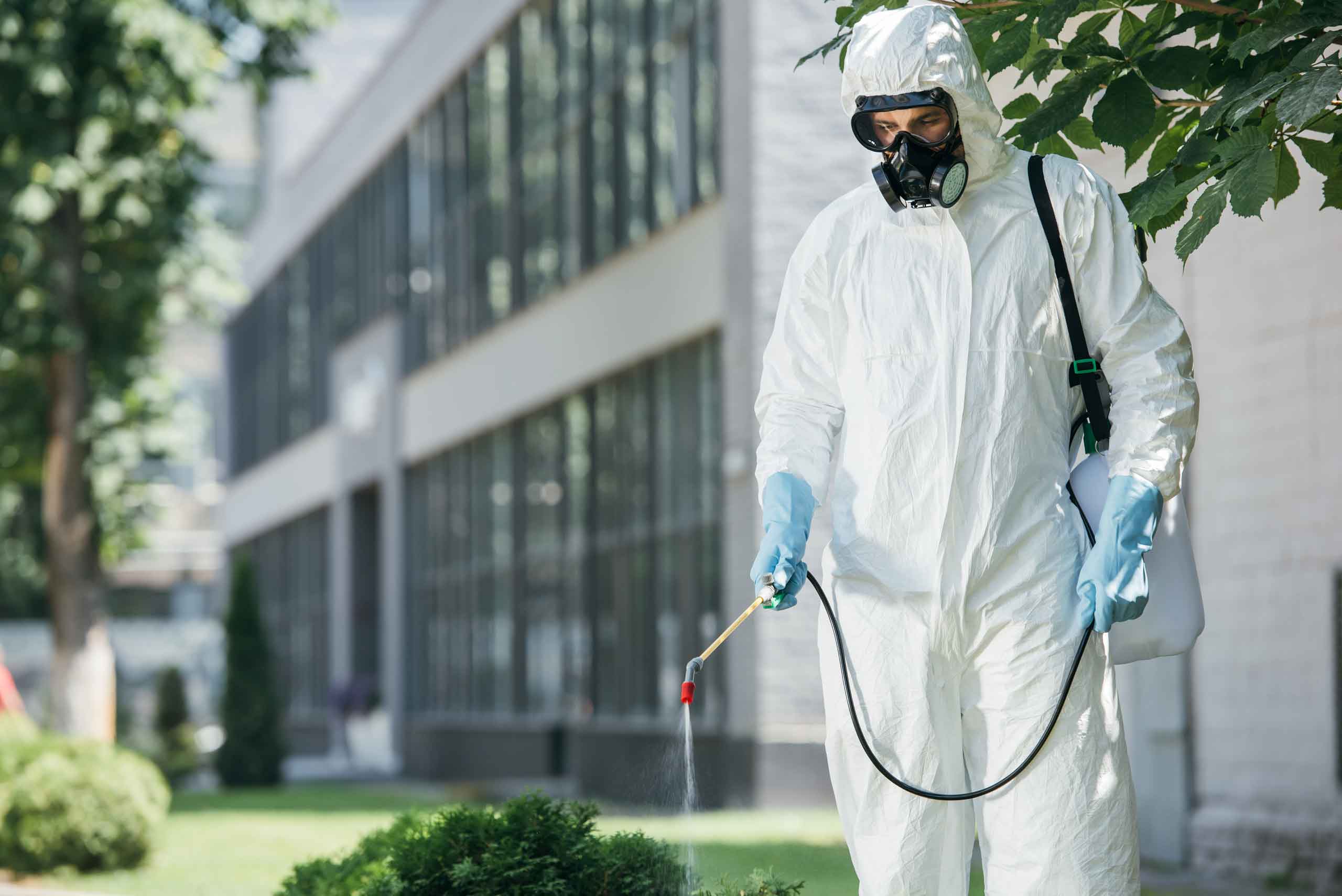
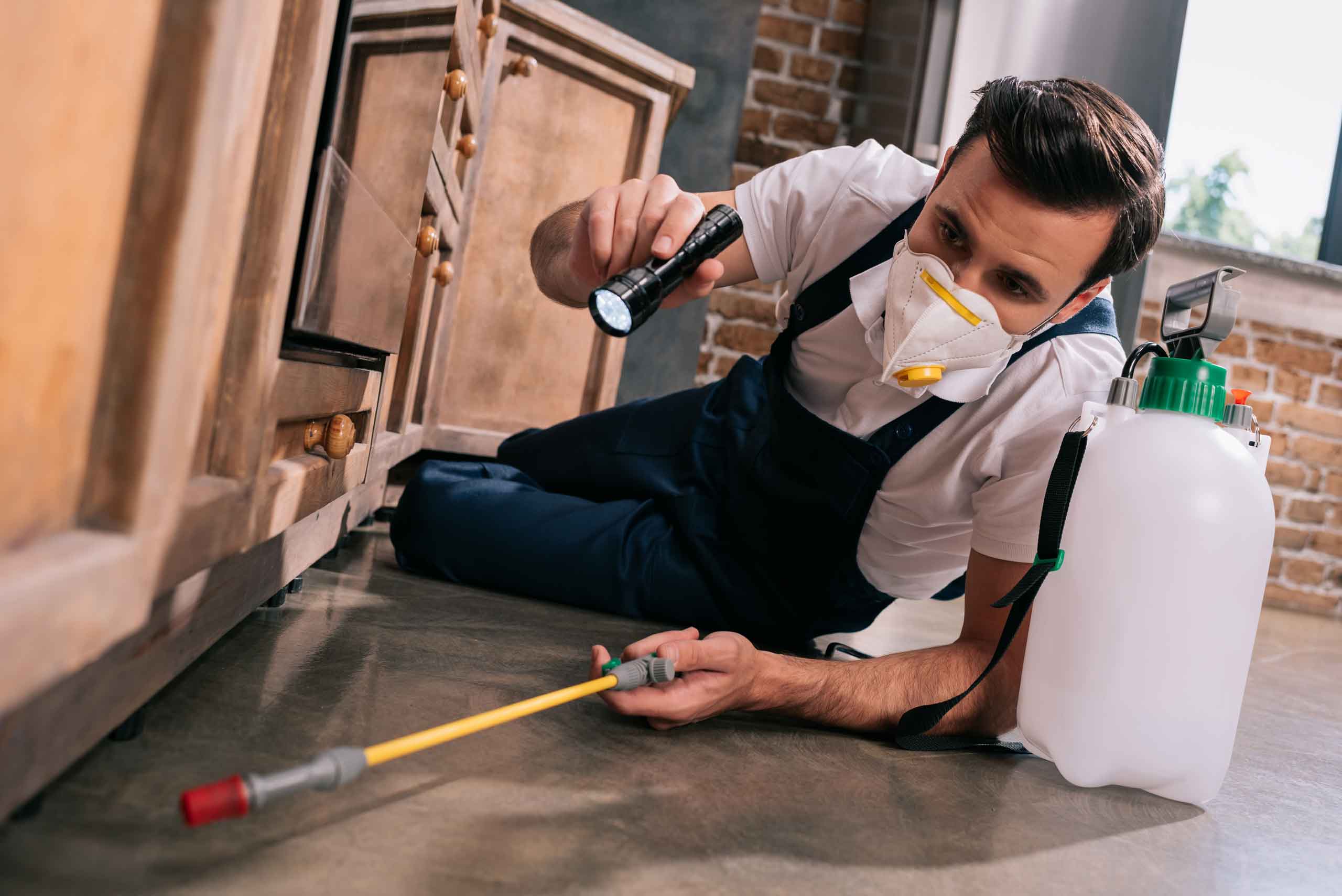
Comprehensive termite inspections using advanced detection tools to identify hidden activity and structural risks.
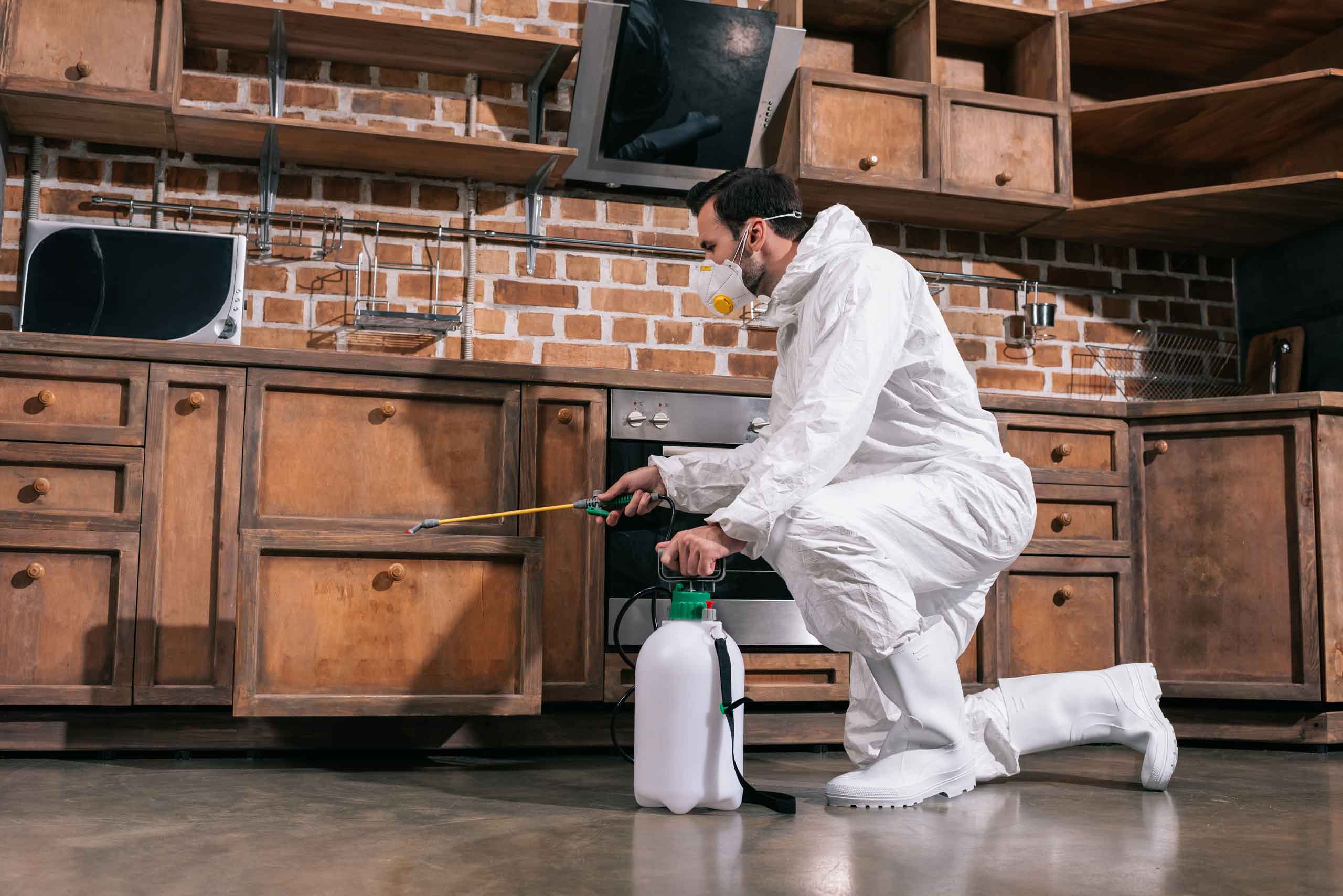
Targeted treatments designed to eliminate active termite colonies and protect your home from further damage.
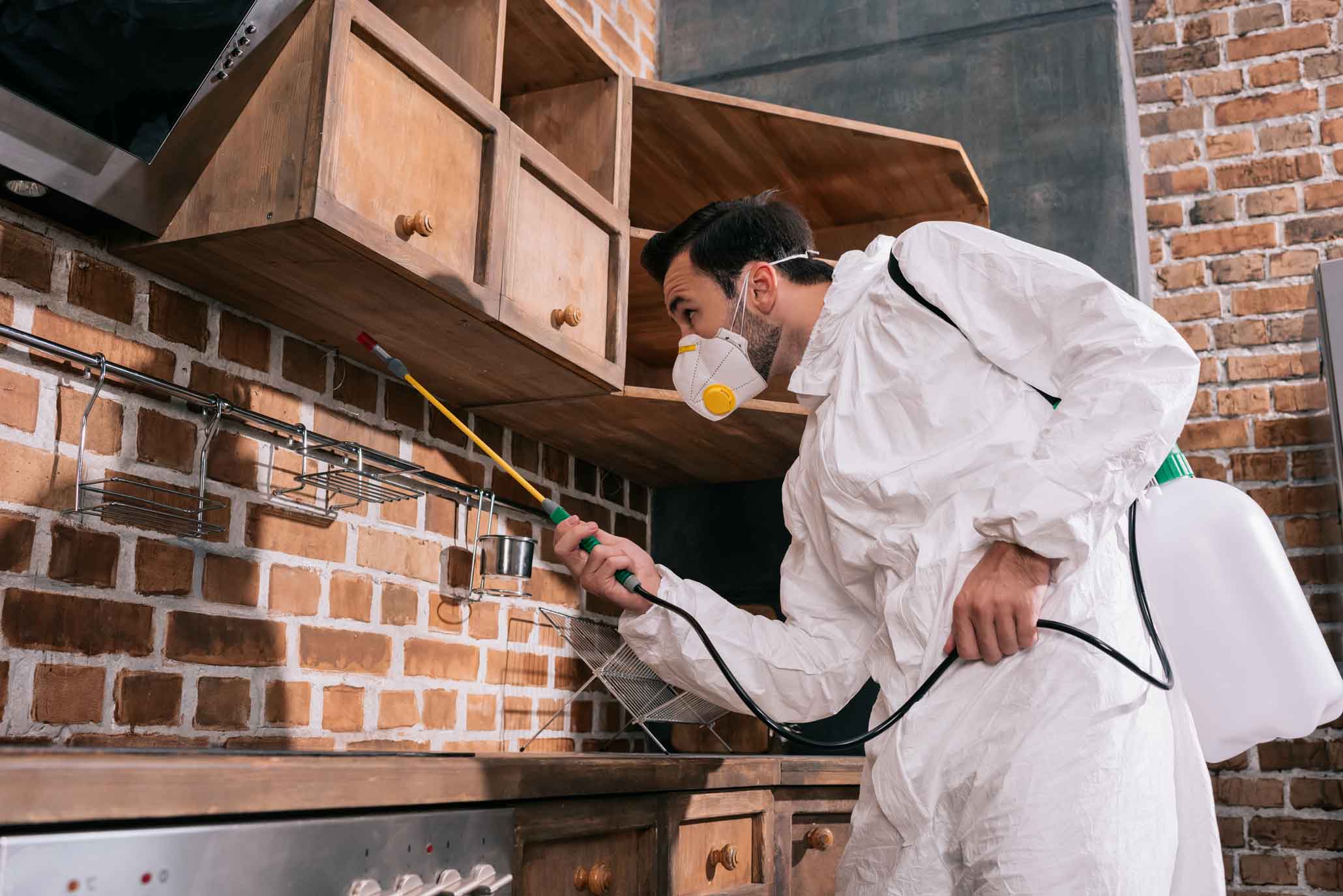
Long-lasting protection through soil treatments, baiting systems, and preventative barriers tailored to West Little River homes.
Full-structure fumigation for severe infestations, delivering complete removal of termites and wood-destroying pests.
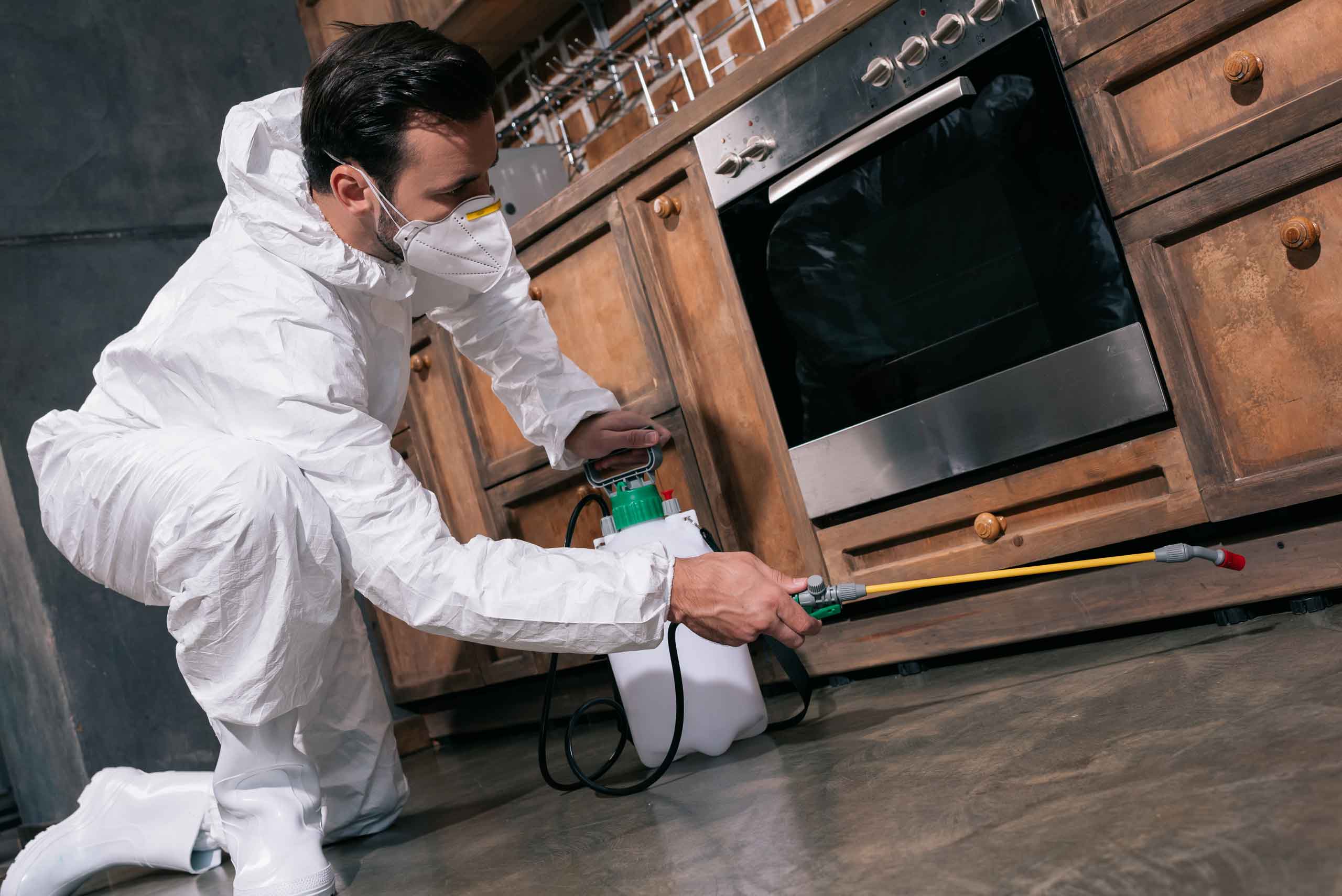
Fast and effective removal of ants, roaches, rodents, spiders, and other common West Little River pests—safe for families and pets.
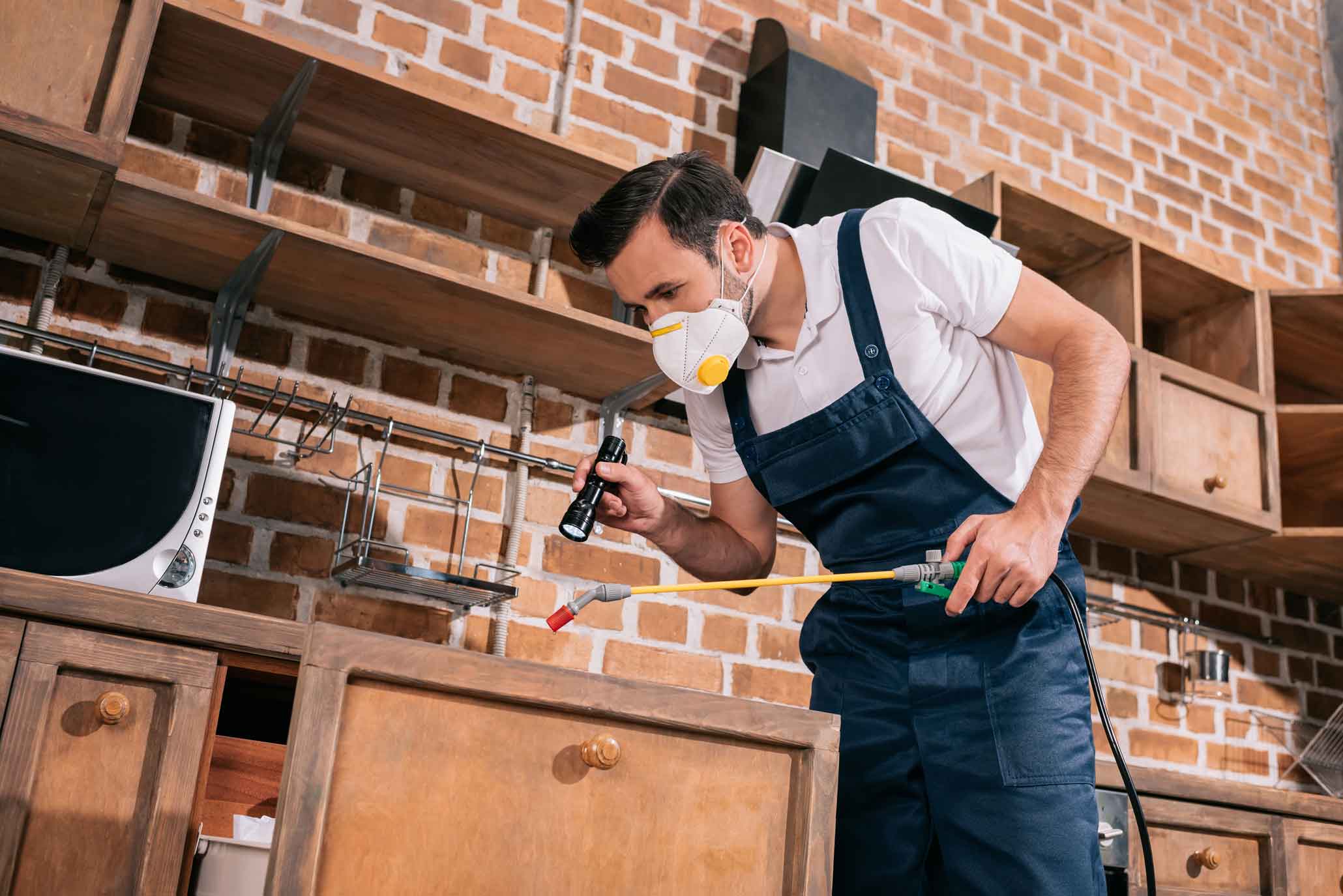
Specialized services to reduce moisture and protect wooden structures—helping prevent future termite activity.
Areas Served
City FL, Termite Exterminators
Testimonials
What Our Customers Say
Homeowners across West Little River trust us to protect their properties from costly termite damage. Here’s what some of our clients have to say about their experience with our team.

“Their inspection was incredibly thorough, and the technician took time to answer all my questions. I felt informed and reassured throughout the entire process. Highly recommend!”

We had a serious termite problem in our warehouse, and this pest control team handled it quickly and professionally. Their technicians were friendly, explained every step clearly

“We discovered termites in our attic and panicked. Miami Termite Defense came out the same day, explained everything clearly, and treated the problem quickly. Our home has been termite-free ever since.”

We had a serious termite problem in our warehouse, and this pest control team handled it quickly and professionally. Their technicians were friendly, explained every step clearly

“We signed up for their annual protection plan, and it’s the best decision we made. The team is always on time, professional, and great at keeping our home safe from termites.”

We had a serious termite problem in our warehouse, and this pest control team handled it quickly and professionally. Their technicians were friendly, explained every step clearly

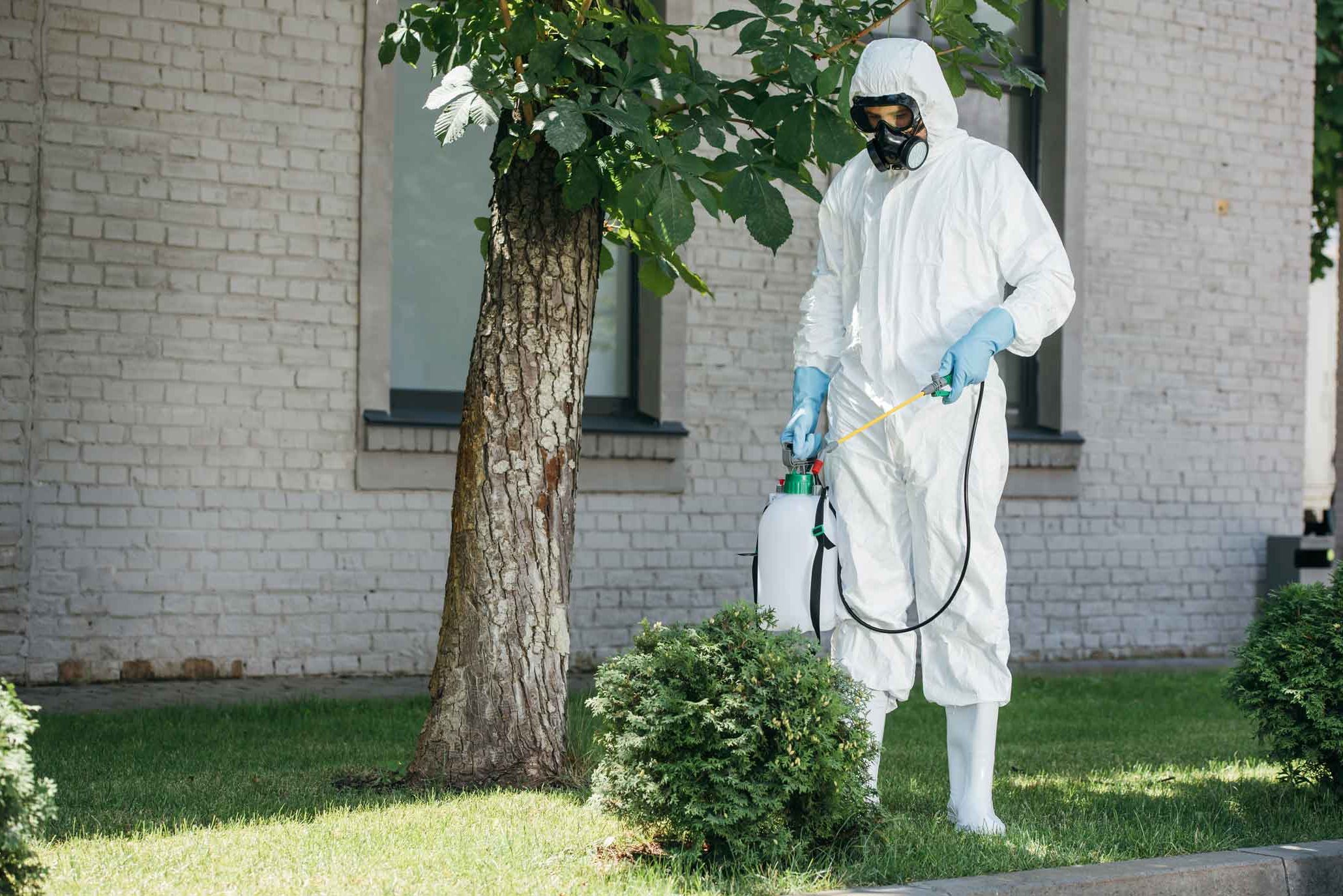
Why Choose Us
Trusted termite specialists protecting West Little River homes
Company Value
Where Trusted Expertise Meets Modern Termite Protection
To provide West Little River homeowners with the most reliable, high-quality termite protection available—ensuring safer, healthier homes for generations to come.
Our mission is to detect, eliminate, and prevent termite damage using modern treatment methods, expert technicians, and service built on integrity.
A simple promise backed by expertise, speed, and genuine care for our community.
Delivering trusted termite protection with care and integrity
- Trusted Experts
- Customer Focused
- Quality Driven
- Eco-Safe Products

Years Experience
Your reliable partner in termite-free living
We provide honest inspections, transparent pricing, and service built around your peace of mind.
We work closely with homeowners to build custom protection plans that fit your property and long-term needs.
Effective Ways to Safely Eliminate Termites West Little River FL Experts Recommend
Dealing with termites can be a challenging task, but with proper knowledge and the right approach, they can be safely and effectively eliminated. Since termites are capable of causing significant structural damage to properties, it is crucial to act promptly while following professional recommendations.
Step 1: Identify the Infestation
Before considering removal methods, it is important to confirm that termites are the cause of damage.
Accurate identification ensures that you apply appropriate measures for termite control.
Step 2: Choose a Treatment Method
Several treatment options are available for termite removal. These methods vary in effectiveness depending on the severity and location of the infestation.
Chemical Treatments – Liquid termiticides:These barriers are applied around your home’s foundation to create a protective zone that kills termites attempting to pass through.Termite baits:Bait stations containing slow-acting toxins attract termites and spread poison back to their colonies.
Non-Chemical Methods – Heat treatments:Increasing temperatures within infested areas to lethal levels eliminates termites without chemicals.Nematodes:Beneficial nematodes are microscopic worms that feed on termites without harming humans or pets.
Consult a pest control specialist to decide which method suits your specific situation.
Step 3: Implement Preventative Measures
Once termites are eliminated, preventative actions help reduce the risk of future infestations: 1.Reduce Moisture:Fix leaks in plumbing or roofs, as damp areas attract termites. 2.Remove Wood Debris:Keep firewood, lumber, or other wooden materials away from your home’s foundation. 3.Seal Cracks and Holes:Inspect your property for gaps in walls or floors where termites could enter. 4.Regular Inspections:Schedule periodic check-ups with pest control professionals to identify early signs of reinfestation.
Professional vs.
While DIY methods might seem cost-effective, experts often recommend consulting licensed pest control professionals for severe infestations.
– More potent termiticides inaccessible to consumers
– Comprehensive inspections that ensure thorough coverage
Comparing Methods: Effectiveness and Costs
| Treatment Method | Effectiveness | Average Cost | Best For |
| Liquid Termiticides | High | $1000–$3000 | Long-term prevention |
| Termite Baits | Moderate | $500–$1200 | Active colony control |
| Heat Treatments | High | $2000–$4000 | Eco-friendly applications |
| Nematodes | Moderate | ~$20 per batch | Small-scale infestations |
Selecting a method depends on factors like budget, infestation size, and environmental preferences.
Safely eliminating termites requires careful observation, appropriate interventions, and preventative strategies guided by expert recommendations. Acting promptly protects your property from costly damages while ensuring peace of mind over time.
Effective Termite Control West Little River FL: Understanding Types and Characteristics
Termites are social insects that play a critical role in breaking down plant material in ecosystems. However, when they infiltrate homes and structures, they become a major pest problem. To effectively combat termites, it’s essential to understand the different types and their unique characteristics.
Effective Pest Control West Little River FL: Protect Your Home from Subterranean Termites
Subterranean termites are the most widespread type of termite, responsible for the majority of termite-related damage to structures. They are known for their large colonies and their dependency on moisture for survival.
Key Characteristics:
– Require contact with soil or other moisture sources to thrive.
– Commonly feed on structural wood found in buildings.
– Colonies can number into the millions, making them highly destructive.
Prevention Tips:
– Repair leaky pipes and drainage issues around your home. – Ensure that wooden parts of your house do not come into direct contact with soil. – Reduce excess moisture in crawl spaces or basements.
| Characteristic | Description |
| Colony Size | Large; up to millions |
| Preferred Habitat | Soil-connected wood |
| Notable Feature | Mud tubes |
Effective Pest Control Services West Little River FL for Tackling Drywood Termites
Compared to subterranean termites, their colonies are much smaller but can still cause significant damage over time.
Key Characteristics:
– Typically live directly inside wooden structures without requiring external moisture sources. – Produce distinct six-sided fecal pellets (frass), which are often found near infested areas. – Infestations can go unnoticed because they work inside wood surfaces.
Prevention Tips:
– Inspect antique furniture or second-hand wooden items before bringing them into your home. – Seal cracks or gaps in exposed woodwork where they may gain access. – Use treated or naturally resistant woods for construction projects.
| Characteristic | Description |
| Colony Size | Smaller; limited individuals |
| Preferred Habitat | Dry wood without external moisture |
| Notable Feature | Frass (pellets) as waste |
Effective Dampwood Termite Solutions from Pest Control Companies West Little River FL
Dampwood termites prefer moist environments and decaying wood. Unlike subterranean termites, they do not require soil but demand high levels of humidity for survival.
Key Characteristics:
– Found in decayed logs, stumps, or water-damaged areas within homes. – Larger than other termite species with dark brown wings during certain life stages. – Do not create mud tubes like subterranean termites.
Prevention Tips:
– Address water leaks promptly to eliminate excessive moisture. – Replace any damaged timber exposed to water infiltration. – Ventilate crawl spaces and attics properly to minimize humidity levels.
| Characteristic | Description |
| Colony Size | Medium-sized colonies |
| Preferred Habitat | Moist/water-damaged wood |
| Notable Feature | Found primarily outdoors but invade wet areas indoors |
How to Find the Best Exterminator West Little River FL Offers
Understanding these distinctions is crucial in determining the appropriate treatment methods for infestations.
- Subterranean termite control often involves soil treatments and bait systems targeting underground colonies.
- Drywood termite infestations may require localized treatments like spot injections or tent fumigation depending on severity.
- Dampwood termite management focuses on eliminating moisture sources along with targeted insecticide use if needed.
By identifying which type of termite you’re dealing with based on their behavior and habitat preferences, homeowners can take more effective steps toward extermination while reducing future risks of re-infestation.
Effective Termite Extermination in West Little River FL: Types and Characteristics Explained
Termites are a diverse group of insects that play a significant role in ecosystems by breaking down plant material. However, when they invade human structures, they can cause extensive damage.
Subterranean Termites
Subterranean termites are among the most common and destructive termite species worldwide. They build colonies underground and rely on moisture from soil to survive.
Characteristics:– Prefer moist wood for feeding. – Often found in foundations, basements, or areas where wood meets soil.
Key Facts: | Feature | Description | |————————–|—————————————–| | Habitat | Underground colonies | | Damage Potential | High; can destroy structural wood swiftly | | Identification | Creamy white bodies with dark heads |
Drywood Termites
Characteristics:– Create smooth galleries inside wood without relying on mud tubes. – Often leave behind small pellet-like feces known as frass. – Typically infest attics or wooden furniture in homes.
Key Facts: | Feature | Description | |————————–|——————————————| | Habitat | Dry wood above ground | | Damage Potential | Moderate; slow feeders but persistent | | Identification | Winged swarmers are tan or light brown |
Dampwood Termites
Characteristics:– Larger than other termite species. – Colonize areas like logs, stumps, or leaky roofs. – Rarely invade man-made structures unless excess moisture is present.
Key Facts: | Feature | Description | |————————–|——————————————-| | Habitat | Moist or decaying timber | | Damage Potential | Low; typically limited to wet areas | | Identification | Noticeable wings during swarming season |
Formosan Termites (A Type of Subterranean Termite)
Formosan termites are an aggressive species of subterranean termite known for causing severe structural damage in a short time frame.
Characteristics:– Build large colonies containing millions of individuals. – Construct complex tunnels and carton nests within walls. – Highly adaptable to various conditions.
Key Facts: | Feature | Description | |————————–|——————————————| | Habitat | Underground or wall voids | | Damage Potential | Extremely high; fast destroyers | | Identification | Soldiers have oval-shaped heads |
Finding the Best Bed Bug Exterminator West Little River FL
| Type | Soil Dependency | Primary Habitat | Notable Trait |
| Subterranean | High | Soil-based | Build mud tubes |
| Drywood | None | Dry, untreated wood | Frass (fecal pellets) presence |
| Dampwood | Low | Wet/decaying timber | Associated with water-damaged areas |
| Formosan | High | Soil & internal walls | Extremely large colony size |
Understanding these differences allows homeowners and pest management professionals to develop targeted strategies for managing termite infestations effectively. Proper identification is essential for selecting the appropriate treatment method based on the specific type of termite involved.
Effective Rodent Control in West Little River FL: Signs of Infestations to Watch For
Detecting a termite infestation early is essential in preventing severe damage to your property. Termites can chew through wood, flooring, and even wallpaper, often causing structural damage before being noticed. By recognizing the warning signs of termite activity, you can take timely action and reduce potential repair costs.
Visible Signs of Structural Damage
Termites feed on cellulose found in wood and other plant-based materials, leaving behind distinctive damage.Hollow-sounding wood: Tap on wooden structures in your home. If they sound hollow or feel weak, termites may be consuming the interior layers.Cracked or distorted paint: Termites release moisture while feeding, which can cause paint to bubble or peel.Sagging floors or ceilings: Advanced infestations may weaken structural integrity, leading to noticeable sagging.
Mud Tubes
Subterranean termites build mud tubes as protective tunnels between their colonies and food sources. These pencil-thin tunnels are often found along walls, foundations, or other solid surfaces. Mud tubes serve as a clear sign of termite activity.
Frass (Termite Droppings)
Drywood termites leave behind frass, which resembles tiny wood-colored pellets. Unlike sawdust from woodworking activities, frass tends to accumulate in small piles near infested areas such as floorboards or windowsills.
Swarmers or Discarded Wings
During reproduction season, winged termites (swarmers) leave the colony in search of new nesting sites. Finding swarmers indoors is a strong indication of an active infestation nearby. Additionally: – Look out for discarded wings around windowsills or doorways after swarmers shed them during flight.
| Characteristics | Subterranean Termites | Drywood Termites |
| Habitat | Soil-based colonies | Wood-based colonies |
| Key Sign | Mud tubes | Frass |
| Primary Damage Area | Foundation and lower levels | Furniture and wooden beams |
Unusual Noises
If you hear faint clicking sounds inside walls at night, it could be soldier termites signaling danger by banging their heads against the tunnel walls. Worker termites also create noise as they chew through wood.
Other Indicators
- Doors and windows that stick: As termites feed on wood frames around doors and windows, these structures can become warped due to excess moisture.
- Unexplained scent: A musty odor similar to mildew may emanate from hidden termite nests.
By looking out for these warning signs and acting promptly if you suspect an infestation, you are better equipped to protect your property from costly damages caused by termites.
The Best Ways to Prevent Widespread Termite Infestations in Your Home
Preventing termite infestations is essential for protecting your home and ensuring long-term structural integrity. Implementing proactive measures can save you from costly repairs and extensive damage. Below, we outline the best ways to prevent widespread termite infestations in your home.
Practice Proper Moisture Management
Termites thrive in moist environments, making moisture management a critical step in prevention.
- Fix Leaks: Repair any leaking faucets, pipes, or HVAC systems promptly to eliminate excess moisture.
- Ensure Proper Drainage: Direct water away from your home’s foundation using downspouts and functional gutters.
- Ventilate Crawl Spaces: Install proper ventilation or dehumidifiers to reduce humidity in crawl spaces.
- Seal Foundation Cracks: Fill any cracks or gaps in the foundation that might allow water to accumulate.
Remove Food Sources
Termites feed on cellulose-based materials such as wood, paper, and cardboard. Reducing these food sources near your home can deter infestations.
- Maintain Distance Between Wood and Soil: Never allow wood on your property to come into direct contact with soil. Use concrete bases or metal barriers under wooden structures like decks and fences.
- Inspect Firewood Storage: Store firewood at least 20 feet away from the house and elevate it off the ground.
- Declutter Your Space: Remove unnecessary cardboard boxes, newspapers, or old books stored near walls or on floors.
| Material | Risk Level | Recommendation |
| Firewood | High | Store far from the home; raise off ground |
| Mulch | Moderate | Keep mulch layers thin; avoid direct contact |
| Cardboard/Paper | High | Store indoors only; recycle unused materials |
Use Termite Barriers
Physical barriers and chemical treatments can serve as long-lasting deterrents against termites.
- Stainless steel mesh
- Sand barriers placed around foundations
- Liquid termiticides applied around foundations
- Non-toxic borate treatments for wood structures
Routine Inspections
Regular inspections help catch termite activity before it becomes a larger issue. Ideally, you should hire professionals annually for thorough checks of both interior and exterior areas of your property.
- Look for mud tubes along walls or foundations.
- Check wooden structures for hollow sounds when tapped.
- Inspect basements and crawl spaces for signs of sawdust-like material (frass) left by termites.
Landscaping Tips
- Avoid planting trees too close to the house as roots can provide pathways for termites.
- Keep shrubs trimmed back from exterior walls to prevent creating bridges for pests.
- Minimize mulch use directly against foundations to reduce termite access.
By incorporating these landscaping practices alongside other preventive strategies outlined here, you reduce the likelihood of widespread termite infestations significantly over time.