
WELCOME TO Miami GardensTERMITE DEFENSE
Termite Exterminators in Miami Gardens, FL
Termites thrive in South Florida’s heat and humidity. Our local specialists use advanced detection and treatment to stop active infestations and protect your home year-round.
Feedback
60k

Our service
Effective termite protection for a damage-free home.
Expert termite solutions for long-lasting home protection.
Termites are a serious threat in Miami Gardens’s humid climate. Our certified specialists use industry-leading technology to detect, eliminate, and prevent termite activity—keeping your home protected year-round.
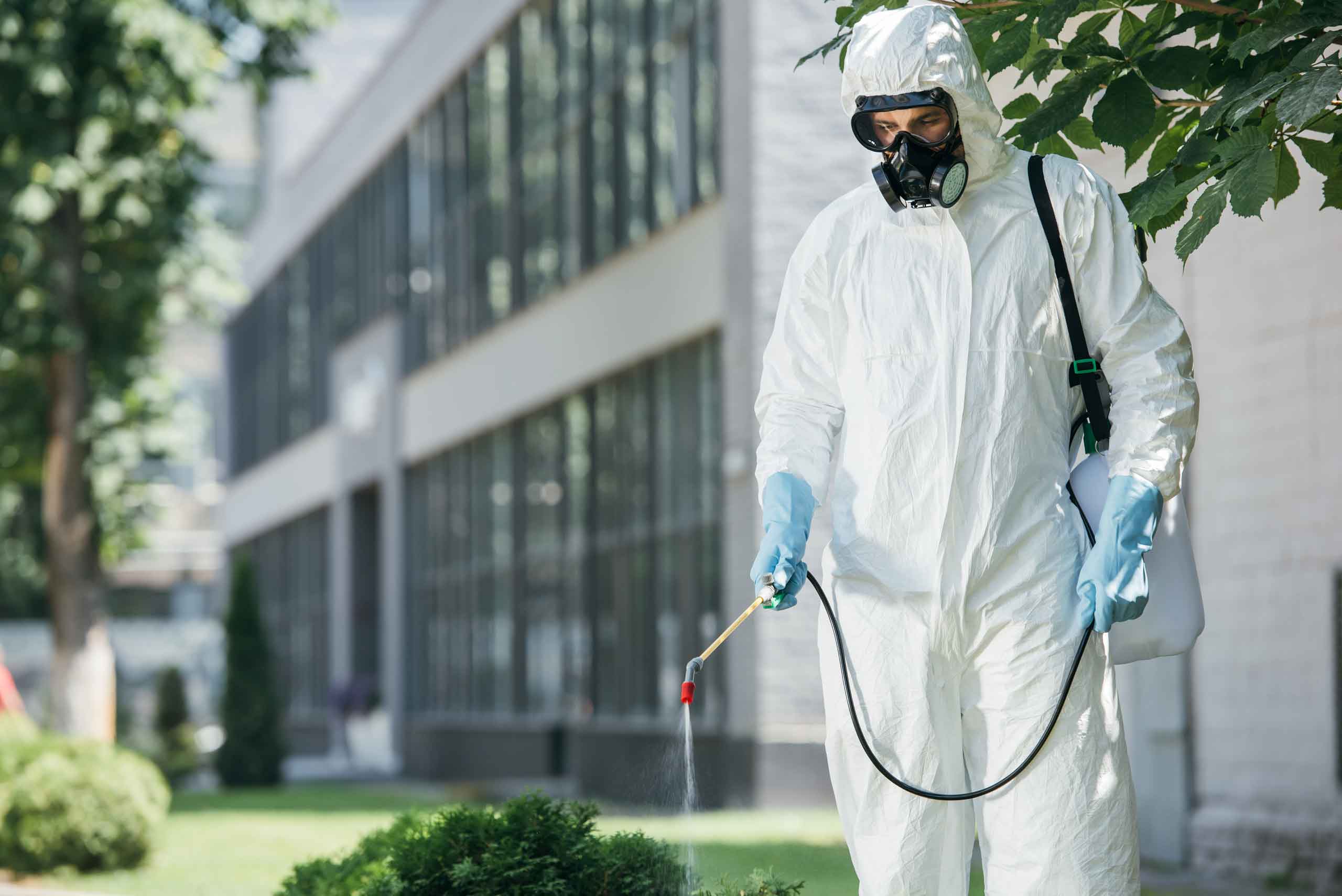

Years experience
Advanced termite treatment tailored to Miami Gardens homes.
Family-safe and pet-safe solutions that protect without harsh chemicals.
Local experts with deep knowledge of Florida’s toughest termite species.
What we offer
Your trusted partner for complete termite & pest protection

Comprehensive termite inspections using advanced detection tools to identify hidden activity and structural risks.
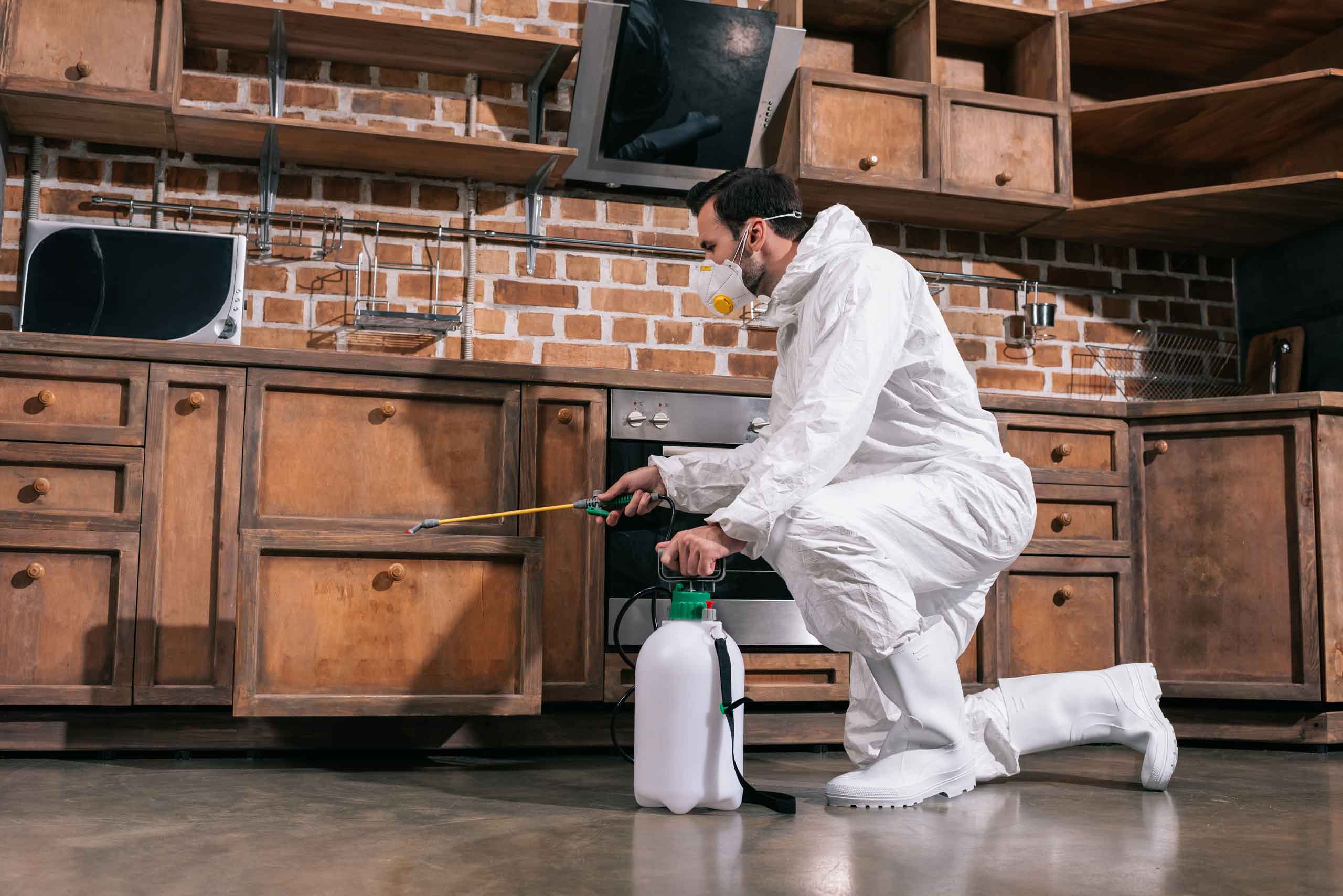
Targeted treatments designed to eliminate active termite colonies and protect your home from further damage.
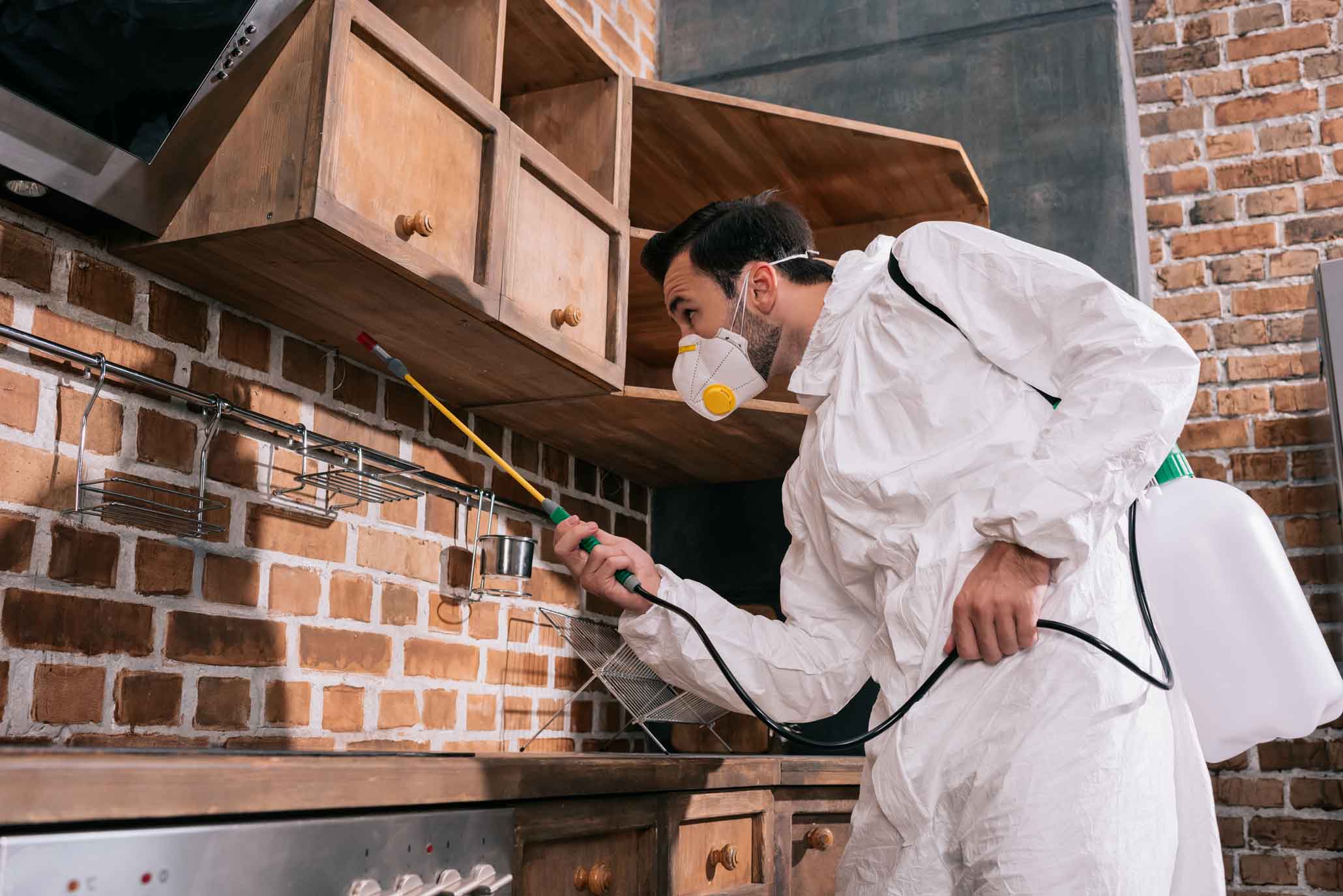
Long-lasting protection through soil treatments, baiting systems, and preventative barriers tailored to Miami Gardens homes.
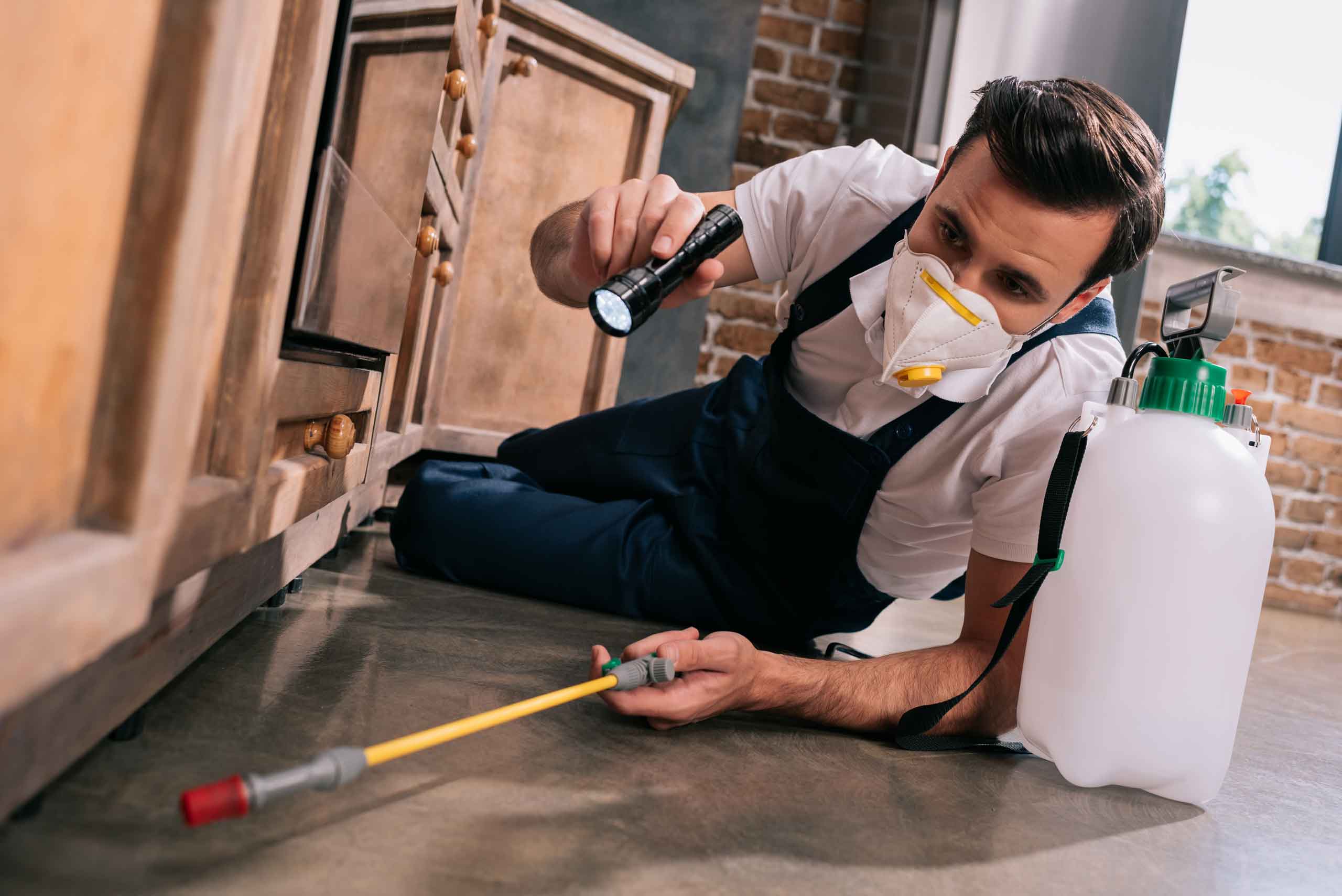
Full-structure fumigation for severe infestations, delivering complete removal of termites and wood-destroying pests.
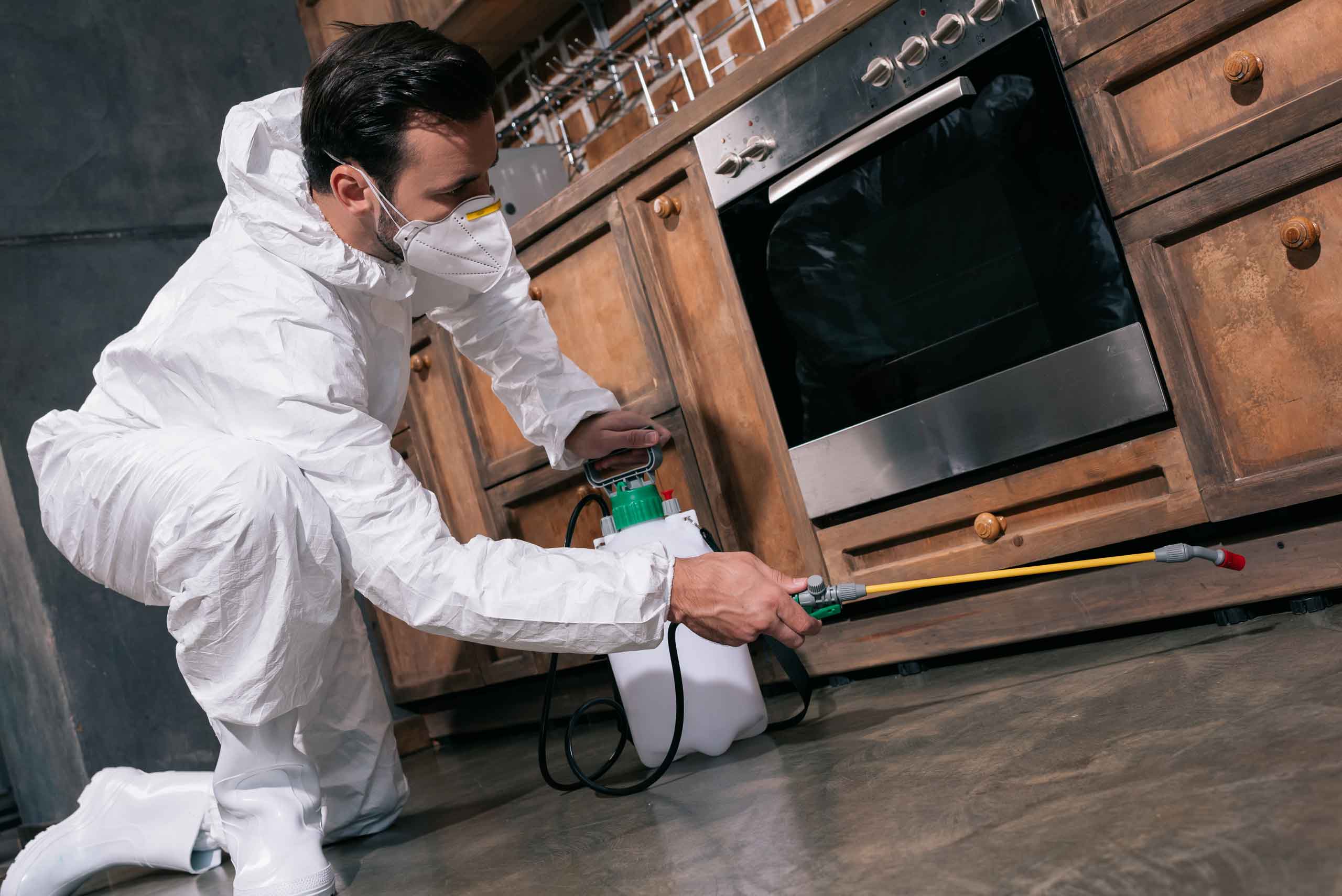
Fast and effective removal of ants, roaches, rodents, spiders, and other common Miami Gardens pests—safe for families and pets.
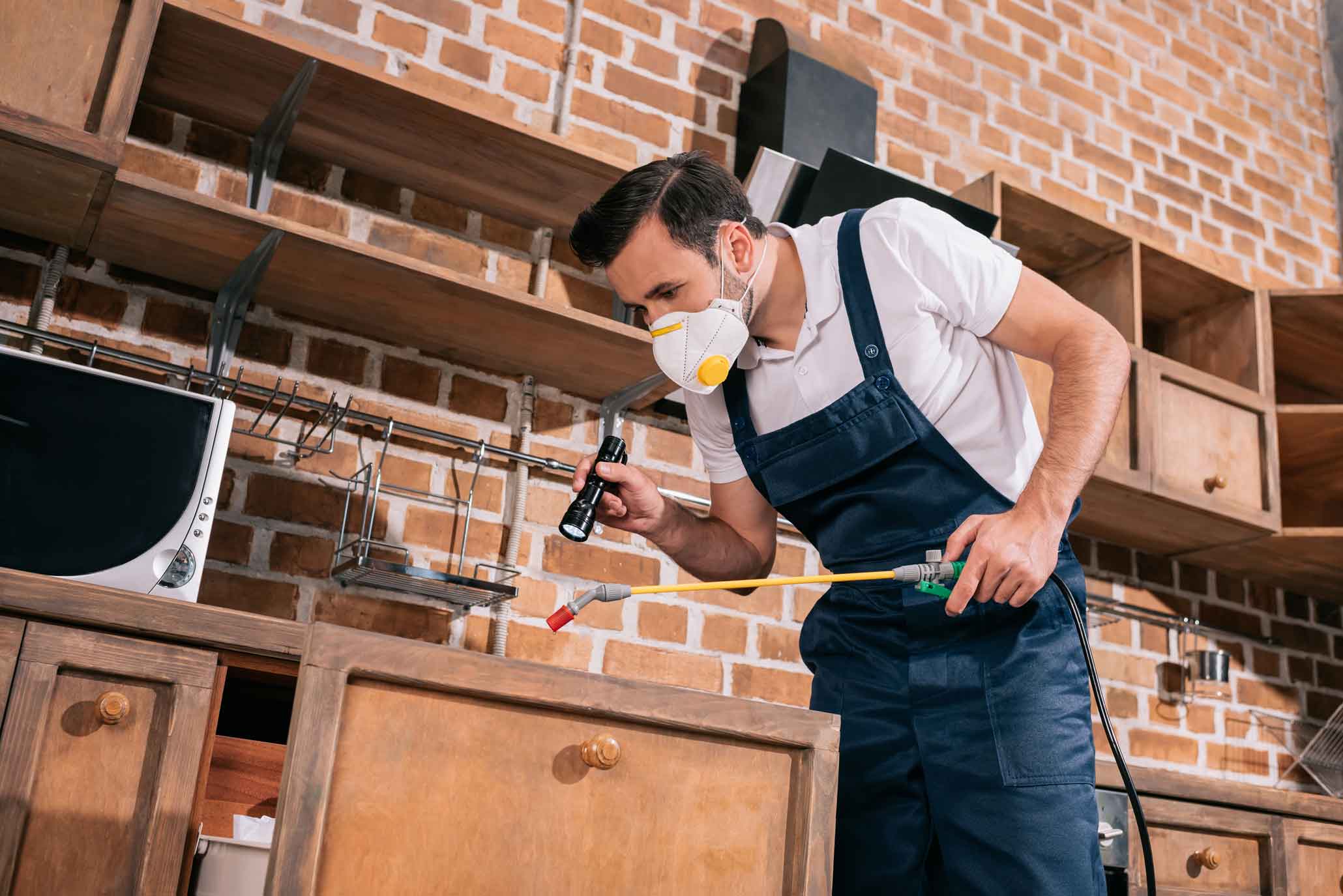
Specialized services to reduce moisture and protect wooden structures—helping prevent future termite activity.
Areas Served
City FL, Termite Exterminators
Testimonials
What Our Customers Say
Homeowners across Miami Gardens trust us to protect their properties from costly termite damage. Here’s what some of our clients have to say about their experience with our team.

“Their inspection was incredibly thorough, and the technician took time to answer all my questions. I felt informed and reassured throughout the entire process. Highly recommend!”

We had a serious termite problem in our warehouse, and this pest control team handled it quickly and professionally. Their technicians were friendly, explained every step clearly

“We discovered termites in our attic and panicked. Miami Termite Defense came out the same day, explained everything clearly, and treated the problem quickly. Our home has been termite-free ever since.”

We had a serious termite problem in our warehouse, and this pest control team handled it quickly and professionally. Their technicians were friendly, explained every step clearly

“We signed up for their annual protection plan, and it’s the best decision we made. The team is always on time, professional, and great at keeping our home safe from termites.”

We had a serious termite problem in our warehouse, and this pest control team handled it quickly and professionally. Their technicians were friendly, explained every step clearly

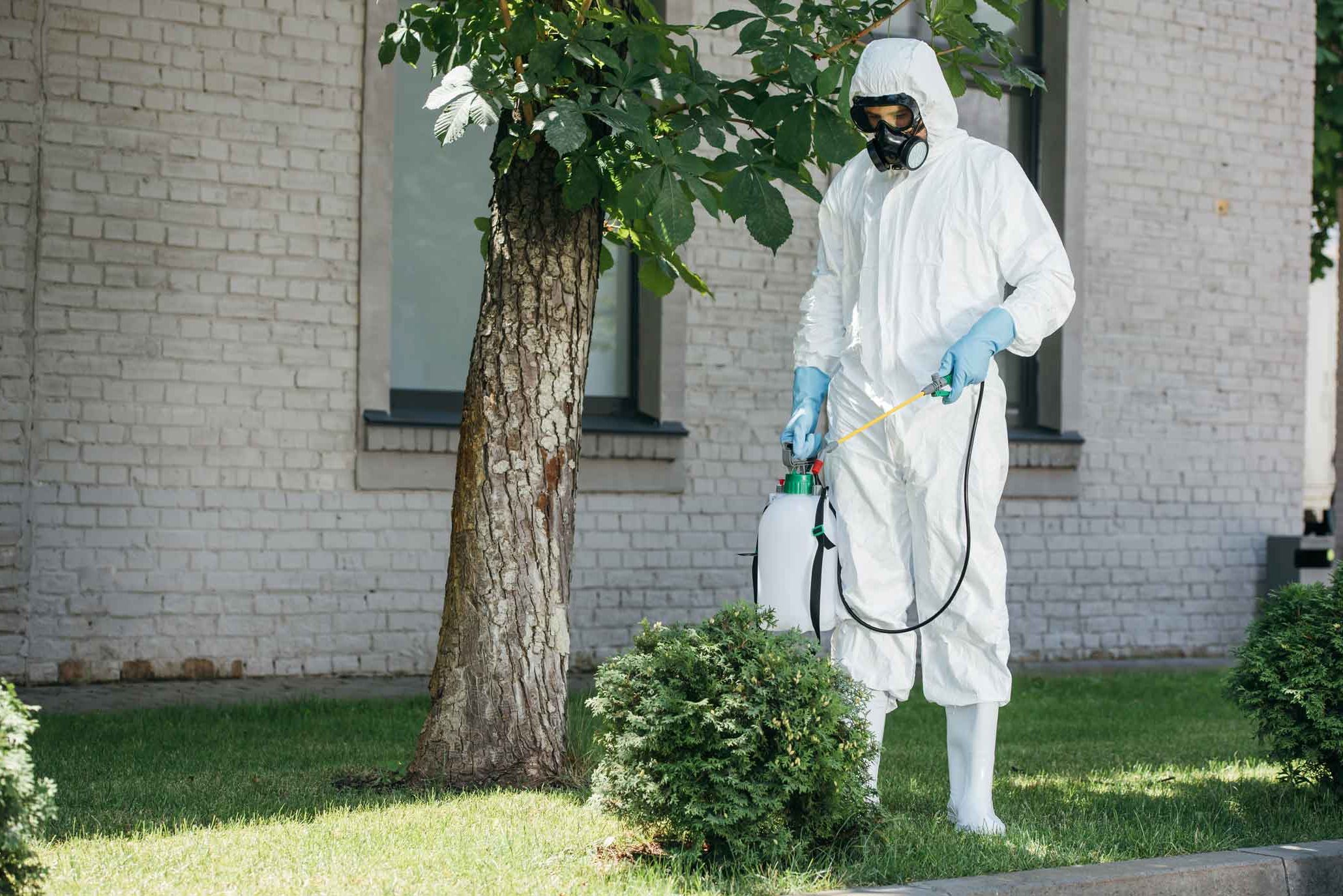
Why Choose Us
Trusted termite specialists protecting Miami Gardens homes
Company Value
Where Trusted Expertise Meets Modern Termite Protection
To provide Miami Gardens homeowners with the most reliable, high-quality termite protection available—ensuring safer, healthier homes for generations to come.
Our mission is to detect, eliminate, and prevent termite damage using modern treatment methods, expert technicians, and service built on integrity.
A simple promise backed by expertise, speed, and genuine care for our community.
Delivering trusted termite protection with care and integrity
- Trusted Experts
- Customer Focused
- Quality Driven
- Eco-Safe Products

Years Experience
Your reliable partner in termite-free living
We provide honest inspections, transparent pricing, and service built around your peace of mind.
We work closely with homeowners to build custom protection plans that fit your property and long-term needs.
Effective Termite Treatment in Miami Gardens FL: How Long It Lasts and Key Influencing Factors
Termite treatment is a critical step in protecting your property from the extensive damage that termites can cause. However, the longevity and effectiveness of termite treatment depend on several factors, including the method used, environmental conditions, and how well the treatment is maintained. Below, we explore these aspects to better understand how long termite treatments typically last and what influences their effectiveness.
Typical Lifespan of Termite Treatments
- Liquid Barrier Treatments
Liquid barrier treatments are among the most common methods for termite control. These treatments are designed to create a chemical barrier around your property to prevent termites from entering or surviving in treated areas. On average: - Chemical barriers can last 5–10 years, depending on the product and its application.
- Periodic inspections may be required to ensure ongoing effectiveness.
- Termite Bait Stations
Baiting systems involve placing bait stations around your home that attract termites. These stations work continuously by targeting active infestations over time: - Bait stations remain effective as long as they are maintained and monitored regularly.
- Typically, these require inspection every 3–6 months to replace consumed bait or adjust placement.
Key Factors Influencing Treatment Effectiveness
- Type of Termites
Different termite species react differently to various treatment methods. Subterranean termites, for instance, may be more resistant to certain baits than drywood termites. - Property Conditions
Properties with high moisture levels or wood-to-soil contact are at greater risk for reinfestation: - Ensure proper drainage around your home.
- Reduce wood debris near foundations.
- Environmental Conditions
The climate in your area affects both termite activity and chemical degradation: - Warm, humid conditions may accelerate both termite reproduction rates and pesticide breakdown.
- Consider climate-appropriate chemicals if you live in an area prone to heavy rainfall or high humidity.
- Quality of Installation
The skill and thoroughness of pest control professionals play a significant role in determining the success of a treatment: - Poorly applied liquid barriers can leave gaps where termites may infiltrate.
- Improperly placed bait stations may not intercept active colonies effectively.
- Ongoing Maintenance
Regular inspections are crucial for maintaining protection over time: - Professional inspections should be scheduled annually.
- DIY checks for signs of active infestations (e.g., mud tubes, frass) between professional visits are helpful.
| Treatment Type | Average Lifespan | Inspection Frequency |
| Liquid Barrier | 5–10 years | Annual |
| Termite Bait Stations | Continuous (if maintained) | Every 3–6 months |
Maximizing Treatment Longevity
- Partner with licensed pest control experts who use high-quality products.
- Address conducive conditions such as leaks or wood contact with soil promptly.
- Monitor treated areas periodically for any early signs of reinfestation.
By understanding what influences termite treatment longevity and proactively managing potential risks, homeowners can safeguard their properties more effectively against these destructive pests.
Effective Liquid Barrier Treatments for Termite Control Miami Gardens FL
Liquid barrier treatments are one of the most effective and widely used methods in the fight against termites. These treatments create a chemical barrier in the soil around a structure, effectively preventing termites from entering and eliminating existing infestations. Below is an in-depth look at how liquid barrier treatments work, their benefits, and factors to consider when opting for this method.
How Pest Control Miami Gardens FL Experts Use Liquid Barrier Treatments
- Chemical Application: A liquid termiticide is applied to the soil surrounding a building’s foundation. This may involve trenching, drilling, or rodding techniques to ensure thorough coverage.
- Barrier Formation: The termiticide creates an invisible chemical barrier that repels or kills termites as they attempt to cross it.
- Colony Elimination: Some modern termiticides are non-repellent, which means termites unknowingly pass through the treated area and carry the toxic substance back to their colony, leading to widespread eradication.
Effective Pest Control Services Miami Gardens FL: Benefits of Liquid Barrier Treatments
- Immediate Protection: Once applied, these treatments offer rapid protection against termite intrusion.
- Long-Lasting Solution: High-quality liquid barriers can remain effective for several years when properly applied.
- Wide Coverage: Liquid barriers protect not just specific entry points but also create a perimeter defense around an entire structure.
- Non-Invasive for Indoor Spaces: Most applications focus on external soil treatment, minimizing disruption inside the property.
Top Pest Control Companies Miami Gardens FL Recommend These Types of Liquid Termiticides
| Type | Description | Pros | Cons |
| Repellent Termiticides | Creates a deterring barrier that termites avoid | Prevents termite entry immediately | May leave untreated gaps if improperly applied |
| Non-Repellent Termiticides | Allows termites to transfer chemicals back to their colony | More effective at eliminating entire colonies | Slower action compared to repellents |
Key Factors Affecting the Effectiveness of an Exterminator Miami Gardens FL
- Sandy or porous soils may require higher amounts of termiticide for proper absorption.
- Wet or compacted soil can limit penetration and reduce effectiveness.
- Proper application techniques by experienced professionals ensure complete coverage and longevity of the treatment.
- Missed spots during application can leave vulnerabilities in the barrier.
- Choosing between repellent and non-repellent formulations depends on infestation severity and long-term goals.
- High-quality products tend to yield better results over time.
- Heavy rainfall or flooding shortly after application can dilute or wash away chemicals.
- Regular landscaping activities near treated areas may also disturb the protective barrier.
- Routine inspections help monitor potential breaches in the barrier caused by natural wear or structural changes around foundations.
Additional Considerations for Extermination Miami Gardens FL
- Remove wood debris close to foundations.
- Redirect water sources (e.g., downspouts) away from treated areas.
- Schedule periodic professional inspections even after treatment is completed.
Liquid barrier treatments remain a cornerstone of termite control due to their reliability and durability when applied correctly by licensed professionals.
Effective Solutions by a Bed Bug Exterminator in Miami Gardens FL to Eliminate Infestations
Termite bait stations are a common and effective method used to control termite infestations. These systems are designed to eliminate entire termite colonies by targeting their behavior and lifecycle. Understanding how they work and their benefits can help homeowners make informed decisions about pest control strategies.
What Are Termite Bait Stations?
- Detection: They help monitor termite presence by attracting foraging termites.
- Eradication: Once termites consume the bait, they carry it back to their colony, effectively spreading the termiticide throughout the population.
How Do Termite Bait Stations Work?
The process of eliminating termites through bait stations involves several steps:
1. Placement: Professionals install bait stations in soil around the property, typically at regular intervals of 10–20 feet apart. 2. Monitoring: The stations are periodically checked for signs of activity, such as termites consuming or interacting with the bait. 3. Bait Consumption: Once termites feed on the bait, they return to their colony and share it with other members through trophallaxis (a social food-sharing process). 4. Colony Decline: Over time, as more termites consume the poisoned bait, the colony weakens and eventually collapses.
| Step | Description |
| Placement | Stations are installed around property |
| Monitoring | Regular checks for termite activity |
| Consumption | Termites ingest and carry toxic bait back to their colonies |
| Elimination | Entire colonies decline due to exposure to the slow-acting toxin |
Benefits of Termite Bait Stations
- Targeted Approach: Only impacts active colonies without unnecessarily treating non-infested areas.
- Environmentally Friendly: The small quantities of termiticide used minimize environmental impact.
- Long-Term Solution: Effective in eradicating entire colonies rather than merely repelling individual termites.
- Non-Invasive Installation: Requires little disruption as stations are placed discreetly in soil.
Limitations of Bait Systems
Although highly effective when used correctly, termite bait systems may have certain drawbacks: – Time Requirement: Colony elimination can take several months depending on its size and location. – Cost Consideration: Professional installation and monitoring can be costly compared to DIY treatments. – Regular Maintenance Needed: Ongoing monitoring is essential for ensuring effectiveness.
When Should You Use Termite Bait Systems?
Bait systems are particularly suitable for properties where traditional liquid treatments cannot be applied—such as those near water sources or with unique construction features that limit access for treatment applications. Additionally, these systems work well as part of an integrated pest management (IPM) approach alongside other methods like soil treatments or wood repairs.
By understanding how termite bait systems operate and recognizing their strengths and limitations, homeowners can better protect their properties from these destructive pests while minimizing environmental risks.
Effective Rodent Control Miami Gardens FL: Signs You May Need a Termite Retreatment
Proper termite treatment provides long-lasting protection, but there are instances where retreatment may be necessary. Identifying the key signs that your initial treatment may no longer be effective is crucial in preventing further structural damage and costly repairs. Below, we outline the most common indicators that you might need to consider a retreatment.
Recurring Evidence of Termites
- Mud Tubes: Subterranean termites build mud tubes as highways between their colony and food sources. The reappearance of these tubes along walls or foundations is a strong indicator that termites are active again.
- Discarded Wings: Winged termites (swarmers) shed their wings when they establish new colonies. Finding piles of discarded wings near windows, doors, or light sources suggests termite activity.
- Frass (Termite Droppings): Drywood termites excrete frass, which looks like tiny wood-colored pellets. Accumulation of frass around furniture, wooden structures, or floorboards indicates an active infestation.
Persistent Wood Damage
Termite damage doesn’t stop immediately after treatment. However, if you continue to see new areas of hollow-sounding wood or visible grooves on wooden surfaces despite previous extermination efforts, it’s worth re-evaluating the effectiveness of your treatment.
- Check for blistered wood that resembles water damage.
- Probe suspect areas with a screwdriver to see if they easily splinter.
Swarming Termites Inside Your Property
A termite swarm inside your home is an immediate red flag that treatment has failed or missed critical areas. Swarming typically occurs during warm months and can indicate either a residual population from an incomplete treatment or newly arrived colonies.
Timeline for Treatment Effectiveness
| Treatment Type | Expected Duration | Notes |
| Liquid Barrier Treatments | 5–10 years | Requires proper application around the property foundation. |
| Bait Stations | Regular monitoring | Ongoing maintenance is necessary to ensure effectiveness. |
| Fumigation | Typically short-term | Works best for isolated drywood termite infestations only. |
If your last treatment was several years ago and signs reappear within this timeframe, it may indicate degraded barriers or diminished bait potency.
Environmental and Structural Factors
- Soil Disruption: Construction work near treated soil can break protective barriers.
- Excessive Moisture: Poor drainage or leaking pipes create conditions conducive to termites.
- Proximity to Untreated Areas: Neighboring untreated properties may harbor colonies capable of invading again.
Regular inspections by licensed pest control professionals help detect vulnerabilities early and determine whether retreatment is necessary.
By staying vigilant for these signs and maintaining consistent preventative measures such as scheduled inspections and moisture control practices, homeowners can better protect themselves against recurring infestations while extending the lifespan of their initial termite treatments.
FAQs About Termite Treatment and Common Concerns Addressed
Termite treatment can be a complex topic, and homeowners often have numerous questions and concerns when dealing with these persistent pests. Below, we address some of the most frequently asked questions about termite treatment, providing clarity on common concerns.
How Long Does Termite Treatment Take to Work?
- Liquid Barrier Treatments: These typically start working immediately. They create a chemical barrier around your property that repels or kills termites upon contact.
- Bait Stations: This option takes longer, as termites must find the bait, feed on it, and transfer the toxicant back to their colony. Results can take weeks or even months.
Homeowners should monitor progress through follow-up inspections conducted by pest control professionals.
Is Termite Treatment Safe for My Family and Pets?
- Liquid treatments: Products like termiticides are tested extensively for safety when applied correctly by certified professionals.
- Bait stations: These are placed underground or in discrete areas and pose minimal risk to humans or pets.
Always consult with your pest control provider about potential precautions specific to your home.
Do I Need to Leave My Home During Treatment?
| Treatment Type | Requires Leaving Home? | Description |
| Liquid Barrier Treatments | No | Can usually be applied externally without disruption. |
| Fumigation | Yes | Requires full evacuation during tenting and aeration. |
| Bait Stations | No | Minimal intrusion; no need for evacuation. |
If fumigation is necessary, you’ll typically be advised well in advance.
How Long Does Termite Protection Last?
- Liquid barrier treatments may last up to 5–10 years but require periodic inspections.
- Bait systems often need ongoing maintenance every few months.
- Moisture levels, soil type, and vegetation around your home can reduce treatment effectiveness over time.
- Severe infestations may require more frequent reapplications or additional spot treatments.
Professional pest control services generally recommend annual inspections even after treatment is completed.
What Are Some Signs That Retreatment May Be Necessary?
- Mud tubes reappear near the foundation or walls.
- Discarded wings from reproductive termites (swarmers).
- Hollow-sounding wood or visible damage in previously treated areas.
Prompt action will help prevent further damage if termites resurface.
Can I Prevent Termites After Treatment?
- Maintain proper drainage around your property to avoid excess moisture.
- Keep firewood or wooden debris away from the foundation.
- Regularly inspect crawlspaces or attics for signs of termite activity.
For long-term security, consider combining preventative maintenance with routine professional inspections.
By addressing these common concerns about termite treatment, homeowners can make informed decisions while safeguarding their properties from future infestations. Seek advice from a licensed pest control professional for tailored solutions specific to your situation.