
WELCOME TO North MiamiTERMITE DEFENSE
Termite Exterminators in North Miami, FL
Termites thrive in South Florida’s heat and humidity. Our local specialists use advanced detection and treatment to stop active infestations and protect your home year-round.
Feedback
60k

Our service
Effective termite protection for a damage-free home.
Expert termite solutions for long-lasting home protection.
Termites are a serious threat in North Miami’s humid climate. Our certified specialists use industry-leading technology to detect, eliminate, and prevent termite activity—keeping your home protected year-round.


Years experience
Advanced termite treatment tailored to North Miami homes.
Family-safe and pet-safe solutions that protect without harsh chemicals.
Local experts with deep knowledge of Florida’s toughest termite species.
What we offer
Your trusted partner for complete termite & pest protection

Comprehensive termite inspections using advanced detection tools to identify hidden activity and structural risks.
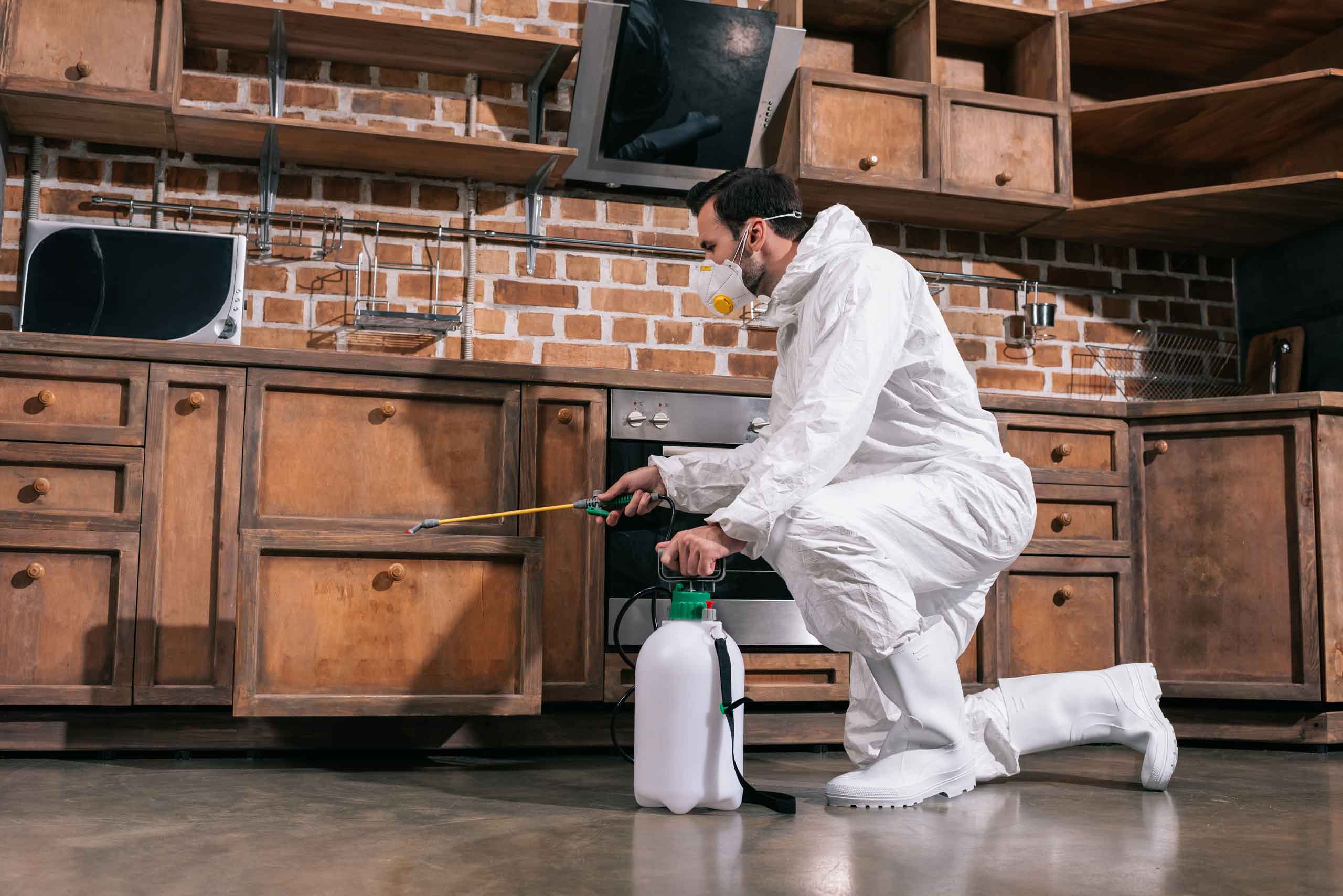
Targeted treatments designed to eliminate active termite colonies and protect your home from further damage.
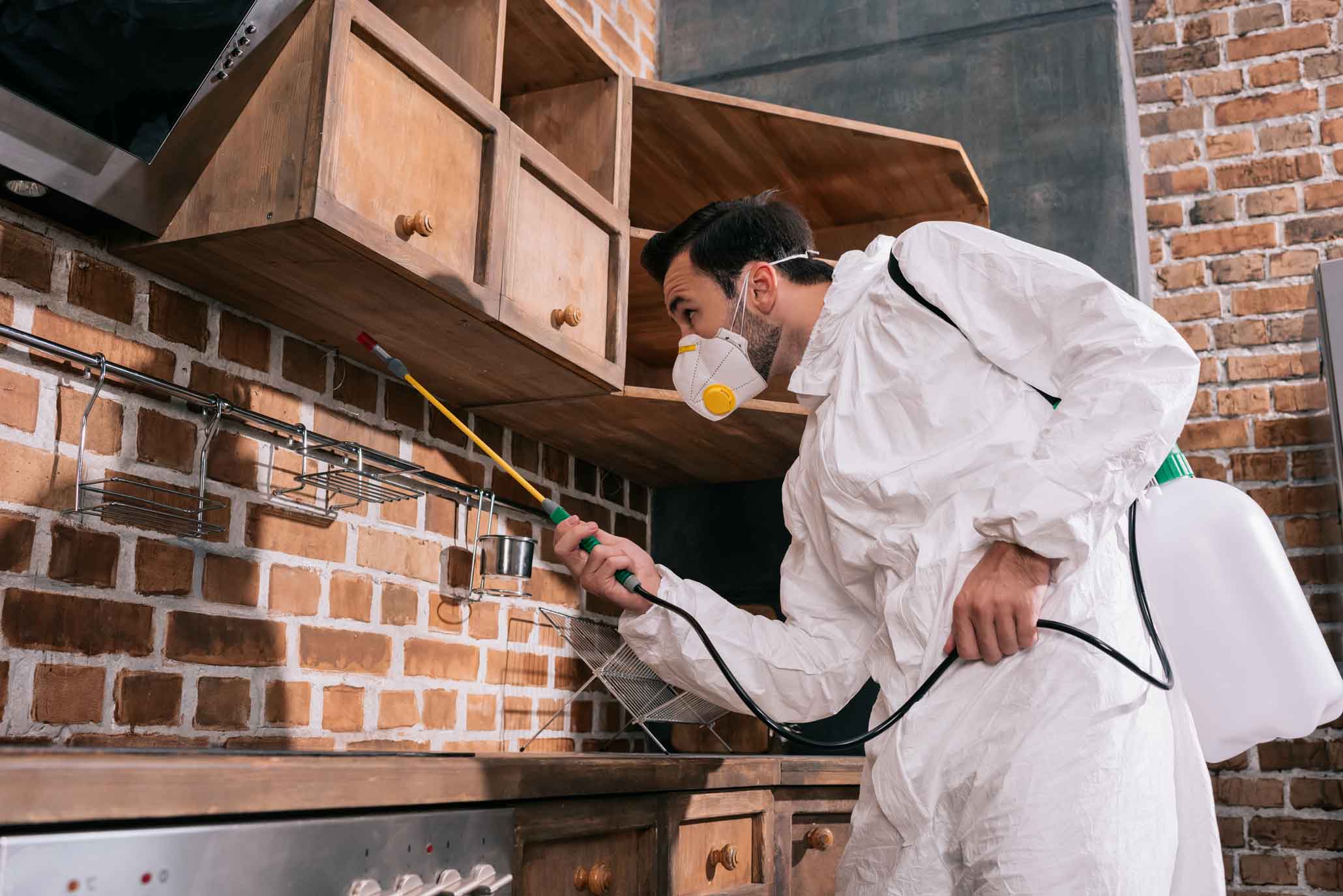
Long-lasting protection through soil treatments, baiting systems, and preventative barriers tailored to North Miami homes.

Full-structure fumigation for severe infestations, delivering complete removal of termites and wood-destroying pests.
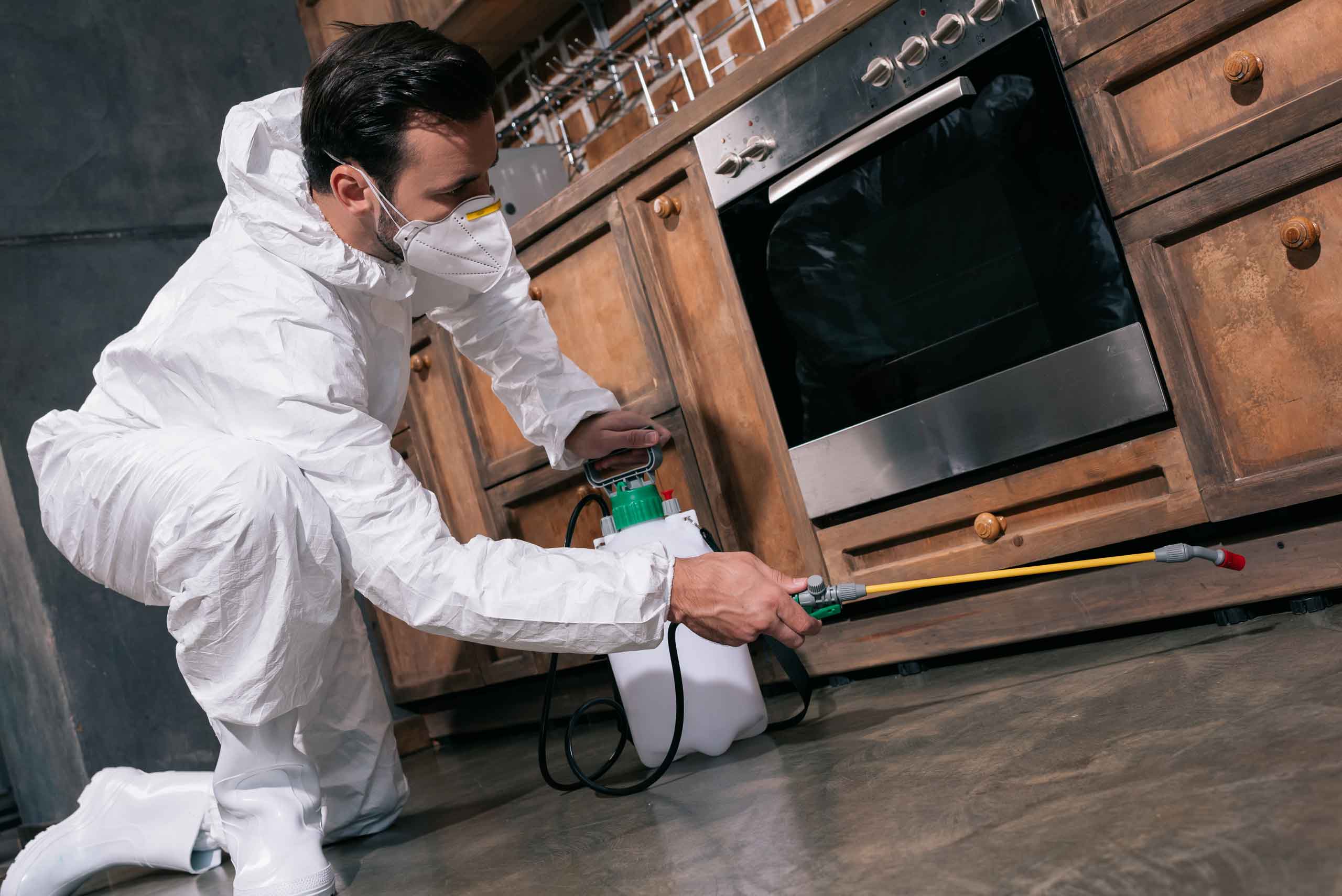
Fast and effective removal of ants, roaches, rodents, spiders, and other common North Miami pests—safe for families and pets.
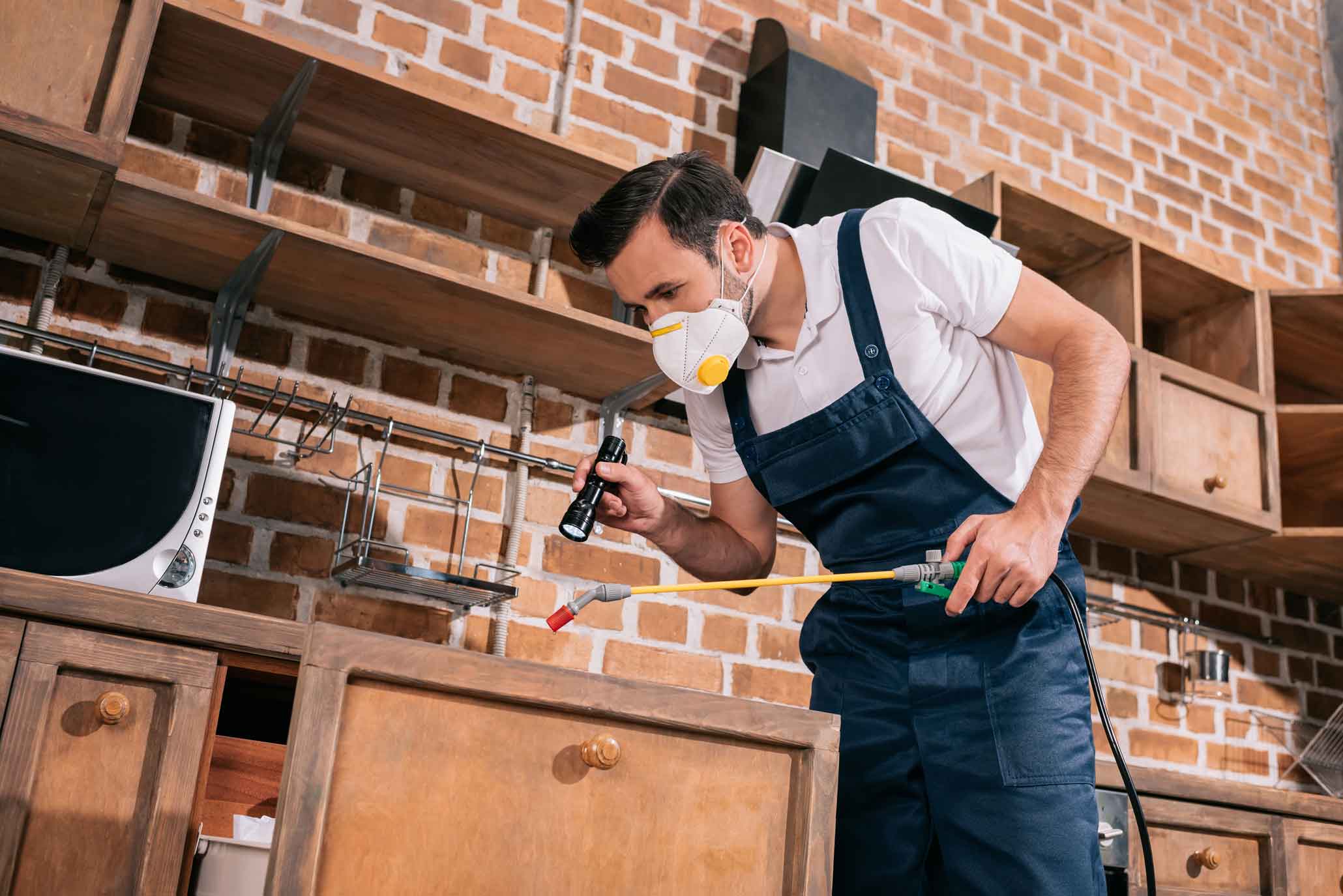
Specialized services to reduce moisture and protect wooden structures—helping prevent future termite activity.
Areas Served
City FL, Termite Exterminators
Testimonials
What Our Customers Say
Homeowners across North Miami trust us to protect their properties from costly termite damage. Here’s what some of our clients have to say about their experience with our team.

“Their inspection was incredibly thorough, and the technician took time to answer all my questions. I felt informed and reassured throughout the entire process. Highly recommend!”

We had a serious termite problem in our warehouse, and this pest control team handled it quickly and professionally. Their technicians were friendly, explained every step clearly

“We discovered termites in our attic and panicked. Miami Termite Defense came out the same day, explained everything clearly, and treated the problem quickly. Our home has been termite-free ever since.”

We had a serious termite problem in our warehouse, and this pest control team handled it quickly and professionally. Their technicians were friendly, explained every step clearly

“We signed up for their annual protection plan, and it’s the best decision we made. The team is always on time, professional, and great at keeping our home safe from termites.”

We had a serious termite problem in our warehouse, and this pest control team handled it quickly and professionally. Their technicians were friendly, explained every step clearly

Why Choose Us
Trusted termite specialists protecting North Miami homes
Company Value
Where Trusted Expertise Meets Modern Termite Protection
To provide North Miami homeowners with the most reliable, high-quality termite protection available—ensuring safer, healthier homes for generations to come.
Our mission is to detect, eliminate, and prevent termite damage using modern treatment methods, expert technicians, and service built on integrity.
A simple promise backed by expertise, speed, and genuine care for our community.
Delivering trusted termite protection with care and integrity
- Trusted Experts
- Customer Focused
- Quality Driven
- Eco-Safe Products

Years Experience
Your reliable partner in termite-free living
We provide honest inspections, transparent pricing, and service built around your peace of mind.
We work closely with homeowners to build custom protection plans that fit your property and long-term needs.
How To Identify Termite Issues Effectively With Pest Control North Miami FL
Termites can cause significant damage to structures if left untreated, often without immediate visible evidence. Identifying the signs of a termite infestation early is critical to preventing extensive and costly repairs. Here’s how you can recognize when termite treatment may be necessary and identify the warning signs effectively.
1. Visible Wood Damage
- Cracked or distorted sections of wood.
- Hollow spots beneath wooden surfaces, particularly baseboards, window frames, or flooring.
- Small holes or grooves on exposed timber.
Carefully inspect wooden furniture, structural beams, and any external wooden elements around your property.
2. Mud Tubes Along Surfaces
- Along walls or foundations.
- On crawl spaces beneath buildings.
- Near doors, windows, or other entry points.
Scraping away a section of a mud tube may reveal active termites inside. Active tubes should be taken seriously as they indicate an ongoing infestation.
| Characteristic | What It Indicates |
| Thin mud tubes | Recent activity by subterranean termites. |
| Widened/darker tubes | Prolonged presence of termites nearby. |
3. Swarmers Around Your Home
- Flying insects resembling ants but with longer wings of equal size.
- Discarded wings near windowsills, doorways, vents, or light fixtures.
Light sources tend to attract swarmers indoors at night.
4. Hollow-Sounding Wood When Tapped
Wood that sounds hollow when tapped could signify hidden termite damage beneath the surface layer. Termites eat wood from the inside out; thus, internal cavities often go unnoticed until significant structural weakening occurs.
- Tap wooden beams, floors, and furniture gently using a screwdriver handle or similar tool.
- Listen for unusually hollow sounds compared to undamaged wood.
- Probe suspicious areas with light pressure; softer-than-normal textures may also indicate decay caused by termites.
Why Early Detection Matters
- Regular inspections by professionals can help uncover hidden infestations.
- Addressing subtle indicators early prevents infestations from escalating into widespread structural compromise.
By remaining vigilant for these key signs—visible wood damage, mud tubes, swarmers/discarded wings, and hollow-sounding wood—you can act swiftly to mitigate risks posed by termites in your property before they cause irreparable harm.
Effective Termite Control North Miami FL: Identifying Visible Wood Damage and Infestations
Termites are among the most destructive pests, often causing significant damage before their presence becomes obvious. Recognizing visible wood damage is a critical step toward identifying an infestation early and addressing it effectively. Below, we explore what termite-related wood damage looks like, its underlying causes, and how homeowners can differentiate it from other types of damage.
Identifying Termite Damage with Expert Pest Control Services North Miami FL
- When termites feed on wood beneath the surface, they often leave behind thin layers of material. This can cause the surface to bubble or blister.
- Such warping may resemble water damage but requires further inspection to confirm if termites are involved.
- Tapping or knocking on walls, wooden furniture, or flooring may reveal hollow sounds. This occurs because termites eat through the inner portion of the wood while leaving a thin outer shell intact.
- Hollow spots are a strong indication that termites have caused structural damage.
- Termites can create small channels through wooden surfaces as they feed. These holes may look like pin-sized punctures or narrow grooves.
- You might also notice frayed edges around wooden structures due to their constant gnawing.
- Severe termite infestations can weaken critical support structures in your home, leading to floors and ceilings sagging over time.
- This type of damage should be addressed immediately to prevent structural collapse.
Top Pest Control Companies North Miami FL Discuss How Termites Cause Damage
| Termite Type | Primary Feeding Habits | Typical Damage Seen |
| Subterranean | Create mud tubes to access above-ground sources | Hollowed-out foundations; bubbling paint |
| Drywood | Directly feed on internal wood without soil contact | Tunnels inside beams; sawdust-like droppings (frass) |
By understanding which species you’re dealing with, pest control professionals can tailor treatment options more effectively.
Identifying Termite Damage with the Help of an Exterminator North Miami FL
- Mold/Rotted Wood: Often has a spongy texture due to moisture buildup, whereas termite-damaged wood feels brittle when touched.
- Carpenter Ants: Unlike termites, carpenter ants do not consume wood but carve out smooth tunnels for nesting purposes. Their galleries are clean and polished compared to the rough tunnels left by termites.
To ensure proper identification of termite damage versus other conditions affecting your home’s wooden structures, consulting a licensed pest control professional is highly recommended.
Effective Extermination North Miami FL Solutions to Prevent Future Infestations
- Keep firewood and mulch away from your home’s foundation since these materials attract termites.
- Ensure proper drainage around your property to reduce excess moisture that supports termite survival.
- Conduct routine inspections with certified professionals who specialize in detecting early signs of infestations.
By staying vigilant about visible wood damage and its connection to potential termite problems, you’ll be well-equipped to protect your home from costly repairs associated with these invasive pests.
Identifying the need for a bed bug exterminator North Miami FL: Key signs to watch for
Mud tubes are one of the most common and recognizable signs of a termite infestation. These small, tunnel-like structures serve as pathways for termites, protecting them from predators and maintaining the humid environment they require to survive. Understanding what mud tubes are, how to identify them, and their implications can help homeowners take timely action.
What Are Mud Tubes?
Mud tubes, also called shelter tubes, are made up of soil, wood particles, and termite saliva. They are typically brown in color and can range in size from as thin as a pencil to much larger structures depending on the severity of an infestation. These tubes connect termites’ underground colonies to above-ground food sources such as wood in homes or other cellulose-based materials.
Where Can Mud Tubes Be Found?
- Foundation walls: Termites often build mud tubes along concrete or brick foundations.
- Crawl spaces: Inspect crawl spaces for any signs of mud tube activity.
- Basements: Check walls, beams, or exposed wooden structures.
- Exterior surfaces: Look for mud trails on siding or outdoor wooden structures like decks.
Regular inspections around these areas can help detect termite activity early.
Types of Mud Tubes
| Type of Mud Tube | Description |
| Exploratory Tubes | Temporary tunnels constructed by termites searching for food sources. |
| Working Tubes | Permanent pathways connecting colonies to food supplies. |
| Drop Tubes | Vertical extensions created by termites when returning from ceilings or high surfaces to the soil. |
| Swarm Tubes | Constructed during swarming season to assist reproductive termites in exiting colonies. |
How Do Mud Tubes Indicate a Termite Problem?
The presence of mud tubes is one of the clearest signs of a potential termite infestation because it demonstrates active termite movement between their colony and feeding sites within your home. These structures also indicate that termites have likely established themselves nearby and may already be causing damage.
When inspecting these tubes: – Break open a section gently to check for live termites inside. – Even if no live insects are found, inactive or abandoned tunnels might suggest previous infestations that need assessment.
Steps to Take If You Find Mud Tubes
If you notice mud tubes around your property: 1. Do not disturb all suspected areas immediately; this could cause termites to relocate deeper into your home. 2. Contact a licensed pest control professional for an inspection. 3. Consider preventive measures such as soil treatments or installing bait stations around your property’s perimeter.
Being proactive when finding mud tubes can prevent extensive structural damage while ensuring long-term protection against termites.
Hollow-Sounding Wood Could Signal Termites North Miami FL Homes Should Watch For
Termite infestations are often difficult to detect due to their secretive nature, and homeowners may not notice any visible damage until the problem has become severe. One of the key indicators that termites may have invaded your home is hollow-sounding wood. This sign can often go unnoticed unless you actively inspect or tap on wooden structures in your home. Understanding why wood may sound hollow and how termites cause this issue is important for early detection and effective treatment.
Effective Rodent Control North Miami FL: Protect Your Home from Pests
Termites feed on cellulose, which is found in wood and plant-based materials. They burrow into wooden structures, consuming the interior layers while leaving the outer shell intact. This creates voids or tunnels inside the wood while maintaining a seemingly solid exterior appearance. When you knock or tap on the affected area, it produces a hollow sound because much of the wood mass inside has been consumed.
- Subterranean Termites: These termites build extensive networks of tunnels underground and within wooden structures, leading to significant internal damage.
- Drywood Termites: Unlike subterranean termites, drywood termites do not require soil contact and directly infest wooden furniture or structural elements, causing similar hollowing effects.
- Damage Process: Over time, these termites excavate galleries inside the wood as they feed on cellulose, compromising its integrity.
Identifying Hollow-Sounding Wood
- Tap Test: Lightly knock on wooden surfaces such as walls, floors, beams, or furniture with a hard object (e.g., screwdriver handle).
- If it sounds empty or echoes faintly instead of producing a dense “solid” noise, this could indicate termite damage.
- Probe for Softness: Use a sharp object like a small screwdriver to gently press into suspicious areas.
- Damaged sections may feel soft or crumble easily under pressure.
| Area | Description |
| Wooden flooring | Listen for changes when walking across floors |
| Baseboards | Tap along edges near walls for inconsistencies |
| Wooden beams | Check exposed structural beams in attics/basements |
| Furniture | Inspect antique or wooden furniture thoroughly |
Why Hollow-Sounding Wood Should Not Be Ignored
- Structural Weakness: The integrity of critical beams or supports could be compromised.
- Financial Losses: Repair costs increase as termite damage worsens over time.
- Safety Hazards: Severely damaged structures might collapse without warning.
If you confirm hollow-sounding wood in your home during an inspection, it is critical to contact a pest control professional immediately. A trained expert can assess the extent of infestation and recommend appropriate treatment methods such as baiting systems, liquid termiticides, or fumigation.
Preventing Future Infestations
- Limit soil-to-wood contact by using treated lumber for construction.
- Seal cracks and crevices around your home’s foundation.
- Keep firewood stored away from your house.
- Schedule regular inspections with licensed pest control professionals.
Detecting signs like hollow-sounding wood early allows homeowners to address problems before they escalate into costly repairs. By staying vigilant and proactive about pest prevention measures, you can protect both your property’s value and structural safety from future infestations.
Why Hollow-Sounding Wood Could Mean a Hidden Termite Infestation
Termites are known for their ability to silently destroy wooden structures, often without obvious signs of damage until the infestation has become severe. One key indicator of a hidden termite problem is hollow-sounding wood. This subtle clue can help homeowners and property owners detect termites early and prevent further structural damage. Below, we explore why this phenomenon occurs, how to check for it effectively, and what steps to take if you suspect an infestation.
Why Does Wood Sound Hollow?
Termites feed on cellulose found in wood, creating tunnels and chambers within the material as they consume it from the inside out. This process compromises the structural integrity of the wood, leaving behind thin outer layers that may appear intact but conceal extensive internal damage. When tapped or knocked on, such wood sounds hollow because its dense core has been eaten away by termites.
Key reasons for hollow-sounding wood:
– Internal Tunneling: Subterranean termites carve intricate networks of tunnels inside wooden structures while leaving the exterior surface untouched. – Loss of Density: With large portions removed by termites, the material no longer absorbs or reflects sound like solid wood would. – Structural Weakening: Over time, prolonged feeding can lead to significant loss of mass in affected areas.
How to Identify Hollow-Sounding Wood
- Knock Test: Gently tap or knock on wooden surfaces such as walls, floors, beams, or furniture using a small hammer or your knuckles. Listen closely for a hollow or empty sound instead of a solid tone.
- Probe for Weakness: Use a screwdriver or similar tool to press into areas that sound suspiciously hollow. If the tip penetrates easily with little resistance, this could indicate termite activity.
- Inspect Key Areas: Focus on locations prone to moisture buildup (e.g., basements, crawl spaces) since termites thrive in humid environments.
- Check for Splintering: In some cases, damaged wood may splinter more easily when pressure is applied.
Comparing Healthy vs Damaged Wood
| Feature | Healthy Wood | Termite-Damaged Wood |
| Sound | Solid | Hollow or empty |
| Resistance to Pressure | High | Low; soft spots may appear |
| Appearance | Smooth and uniform | Bubbling paint or cracks |
Next Steps if You Detect Hollow-Sounding Wood
If you confirm signs of hollow-sounding wood during your inspection:
– Contact a licensed pest control professional immediately for further evaluation and treatment options. – Avoid disturbing suspected termite activity as this might cause them to relocate within your property. – Address underlying conditions like humidity or water leaks that attract termites in the first place.
By understanding how anomalies such as hollow-sounding wood signal termite infestations early on, you can protect your home from costly damage while maintaining its structural integrity over time.