
WELCOME TO MiramarTERMITE DEFENSE
Termite Exterminators in Miramar, FL
Termites thrive in South Florida’s heat and humidity. Our local specialists use advanced detection and treatment to stop active infestations and protect your home year-round.
Feedback
60k

Our service
Effective termite protection for a damage-free home.
Expert termite solutions for long-lasting home protection.
Termites are a serious threat in Miramar’s humid climate. Our certified specialists use industry-leading technology to detect, eliminate, and prevent termite activity—keeping your home protected year-round.
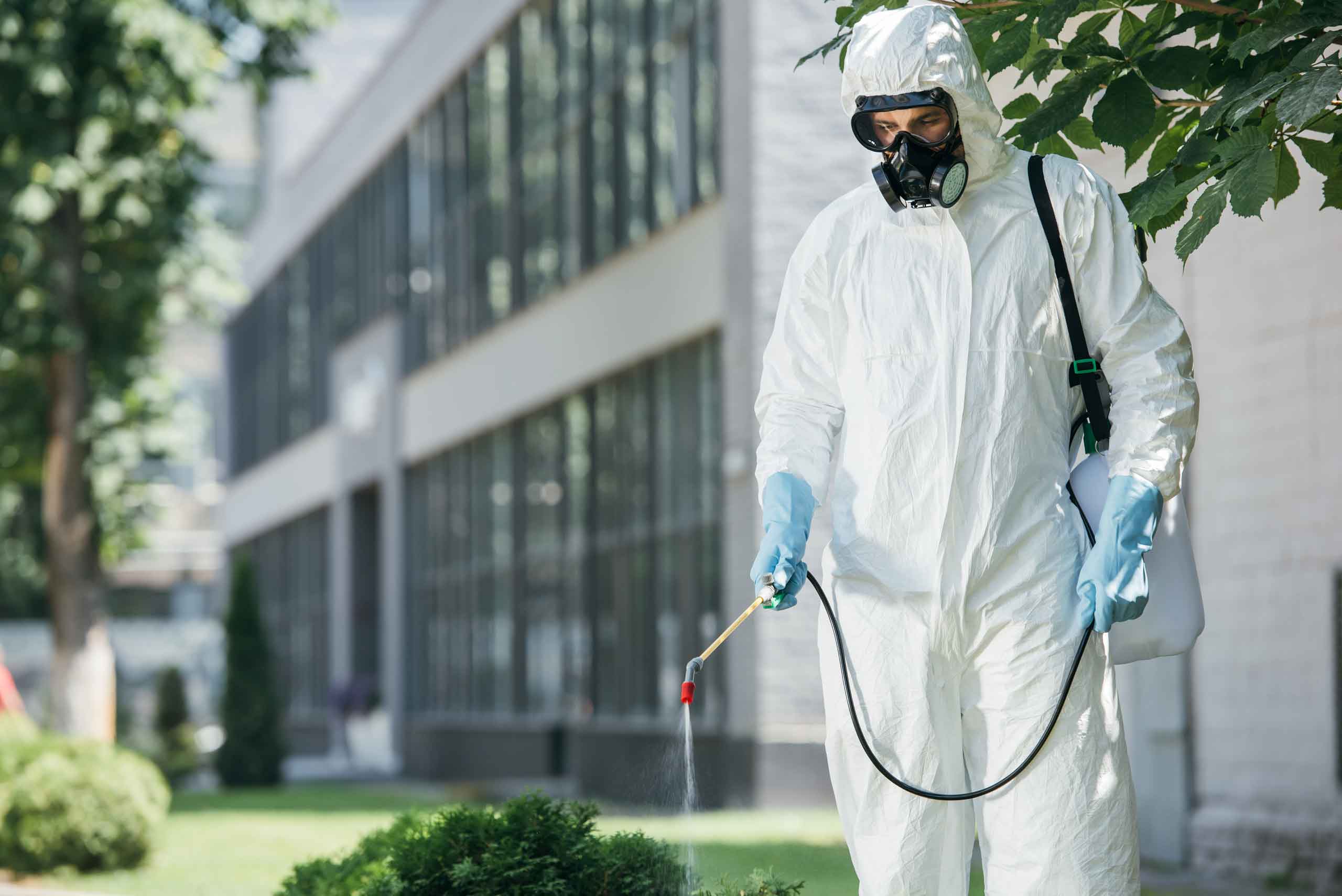

Years experience
Advanced termite treatment tailored to Miramar homes.
Family-safe and pet-safe solutions that protect without harsh chemicals.
Local experts with deep knowledge of Florida’s toughest termite species.
What we offer
Your trusted partner for complete termite & pest protection

Comprehensive termite inspections using advanced detection tools to identify hidden activity and structural risks.
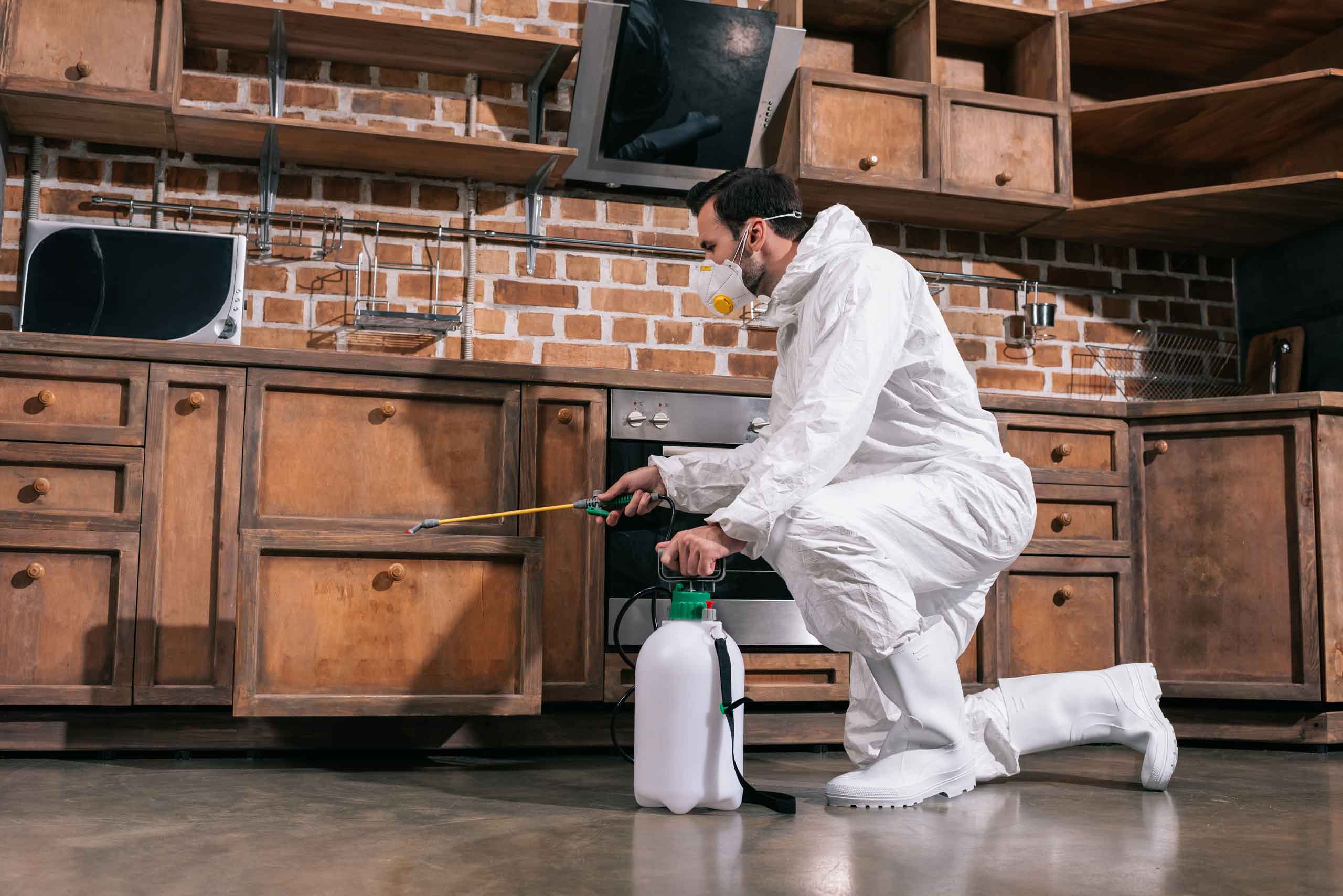
Targeted treatments designed to eliminate active termite colonies and protect your home from further damage.
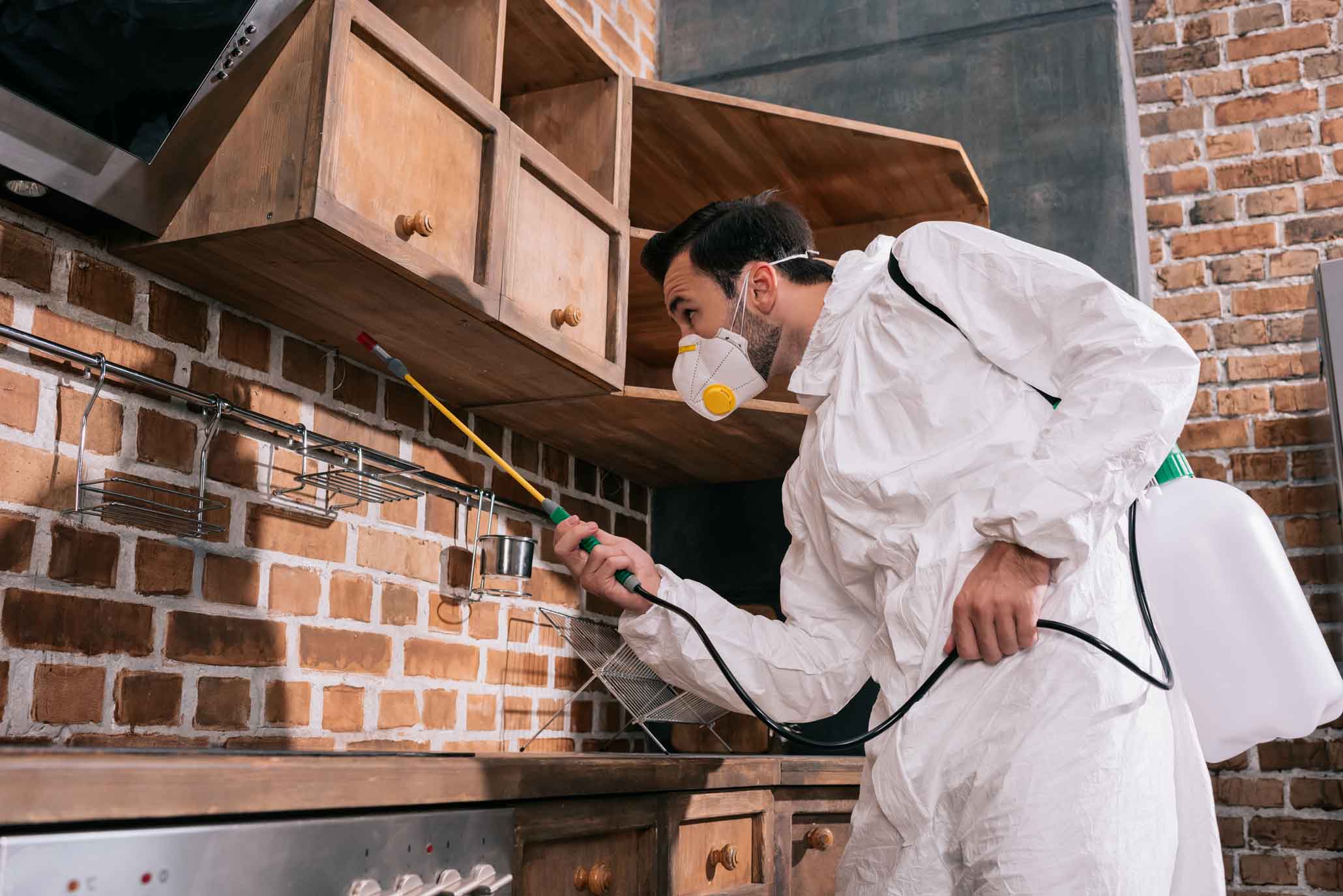
Long-lasting protection through soil treatments, baiting systems, and preventative barriers tailored to Miramar homes.
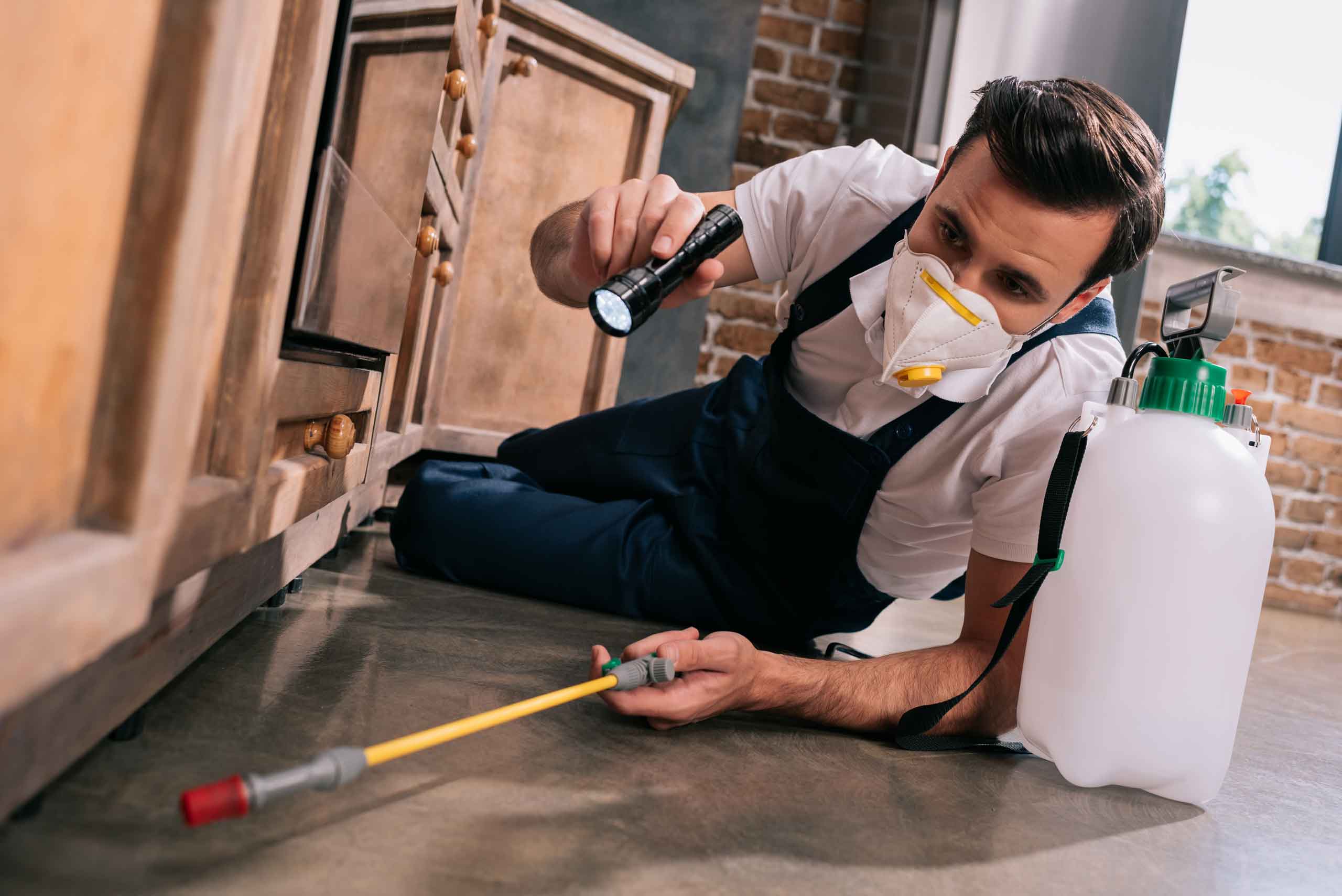
Full-structure fumigation for severe infestations, delivering complete removal of termites and wood-destroying pests.
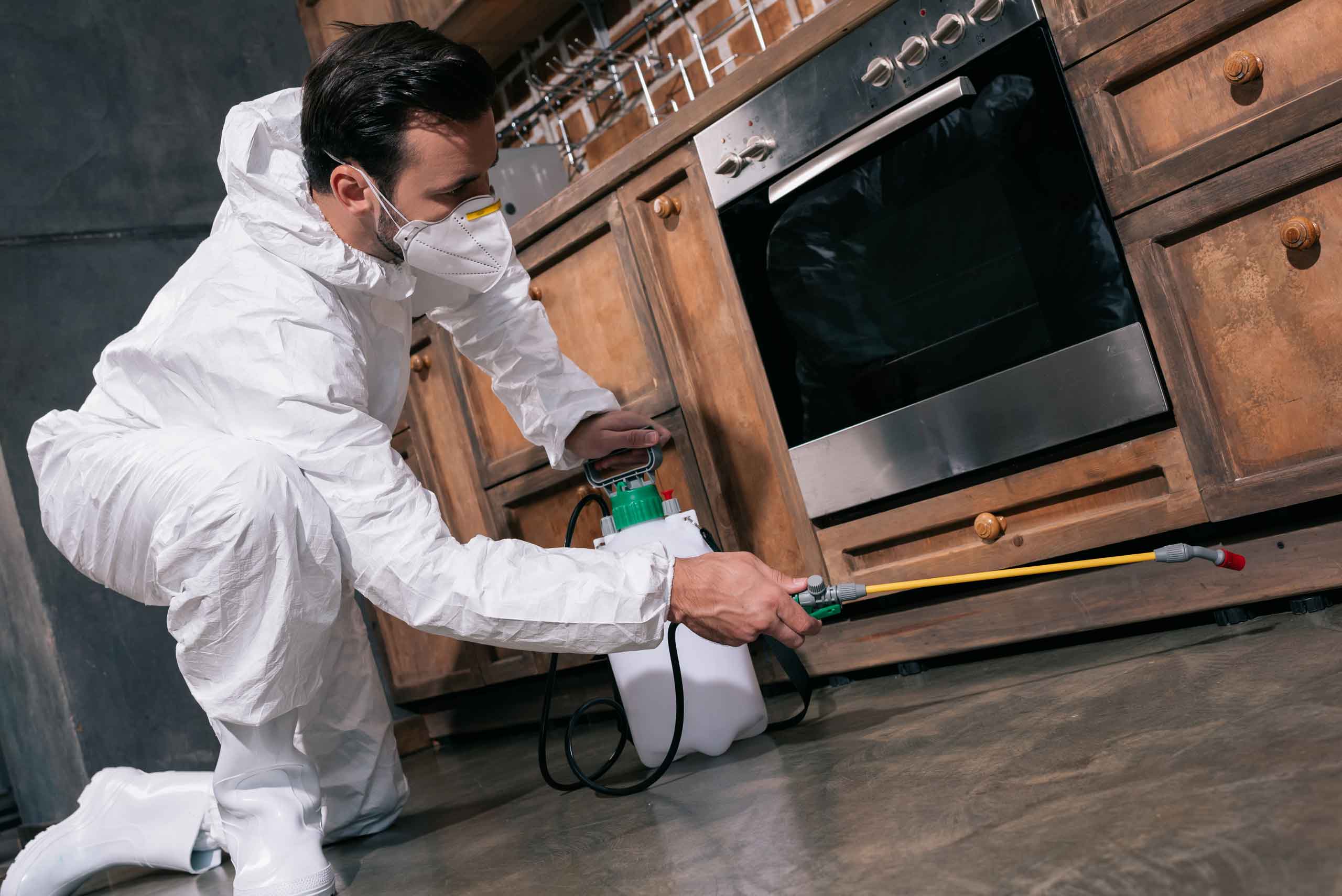
Fast and effective removal of ants, roaches, rodents, spiders, and other common Miramar pests—safe for families and pets.
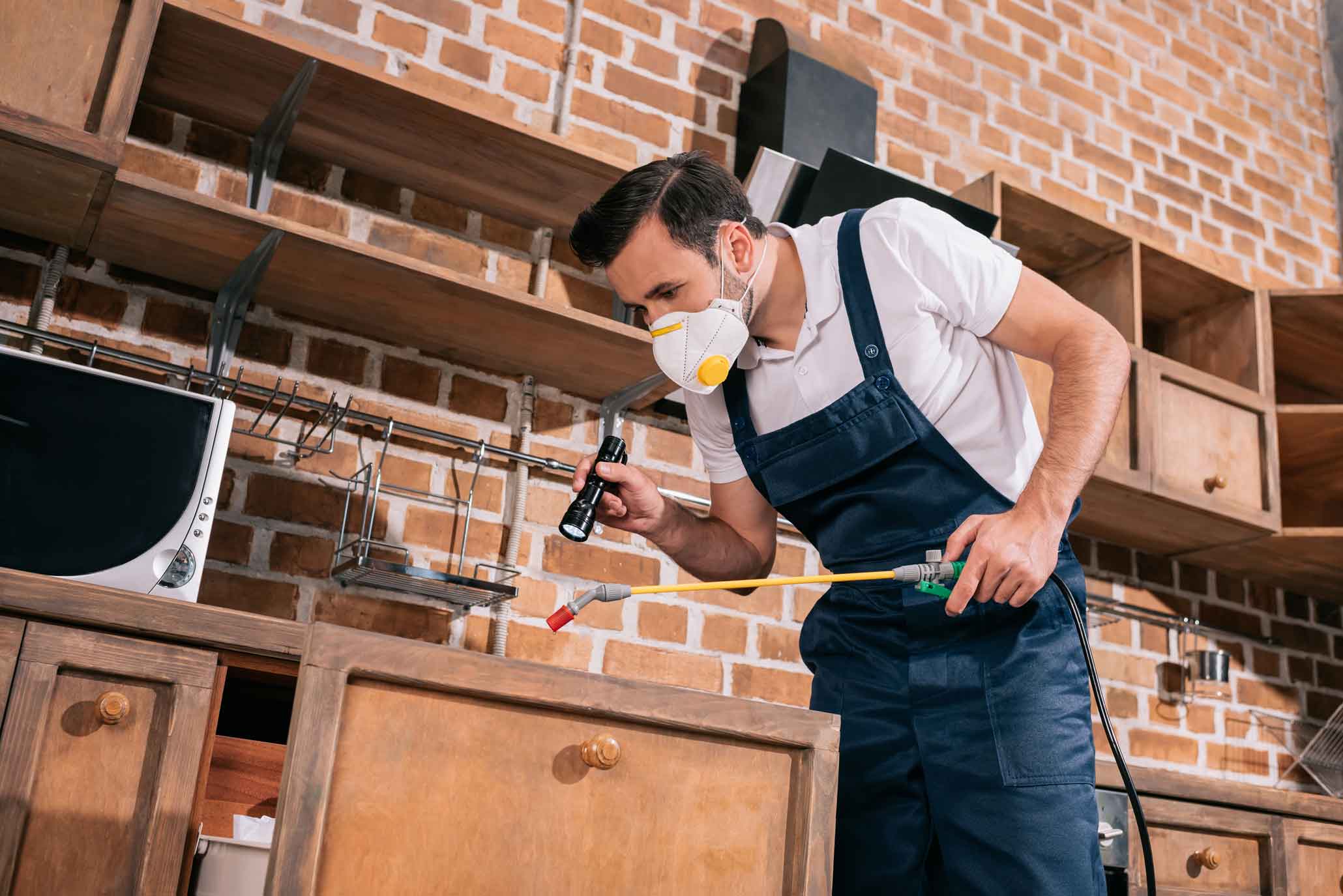
Specialized services to reduce moisture and protect wooden structures—helping prevent future termite activity.
Areas Served
City FL, Termite Exterminators
Testimonials
What Our Customers Say
Homeowners across Miramar trust us to protect their properties from costly termite damage. Here’s what some of our clients have to say about their experience with our team.

“Their inspection was incredibly thorough, and the technician took time to answer all my questions. I felt informed and reassured throughout the entire process. Highly recommend!”

We had a serious termite problem in our warehouse, and this pest control team handled it quickly and professionally. Their technicians were friendly, explained every step clearly

“We discovered termites in our attic and panicked. Miami Termite Defense came out the same day, explained everything clearly, and treated the problem quickly. Our home has been termite-free ever since.”

We had a serious termite problem in our warehouse, and this pest control team handled it quickly and professionally. Their technicians were friendly, explained every step clearly

“We signed up for their annual protection plan, and it’s the best decision we made. The team is always on time, professional, and great at keeping our home safe from termites.”

We had a serious termite problem in our warehouse, and this pest control team handled it quickly and professionally. Their technicians were friendly, explained every step clearly

Why Choose Us
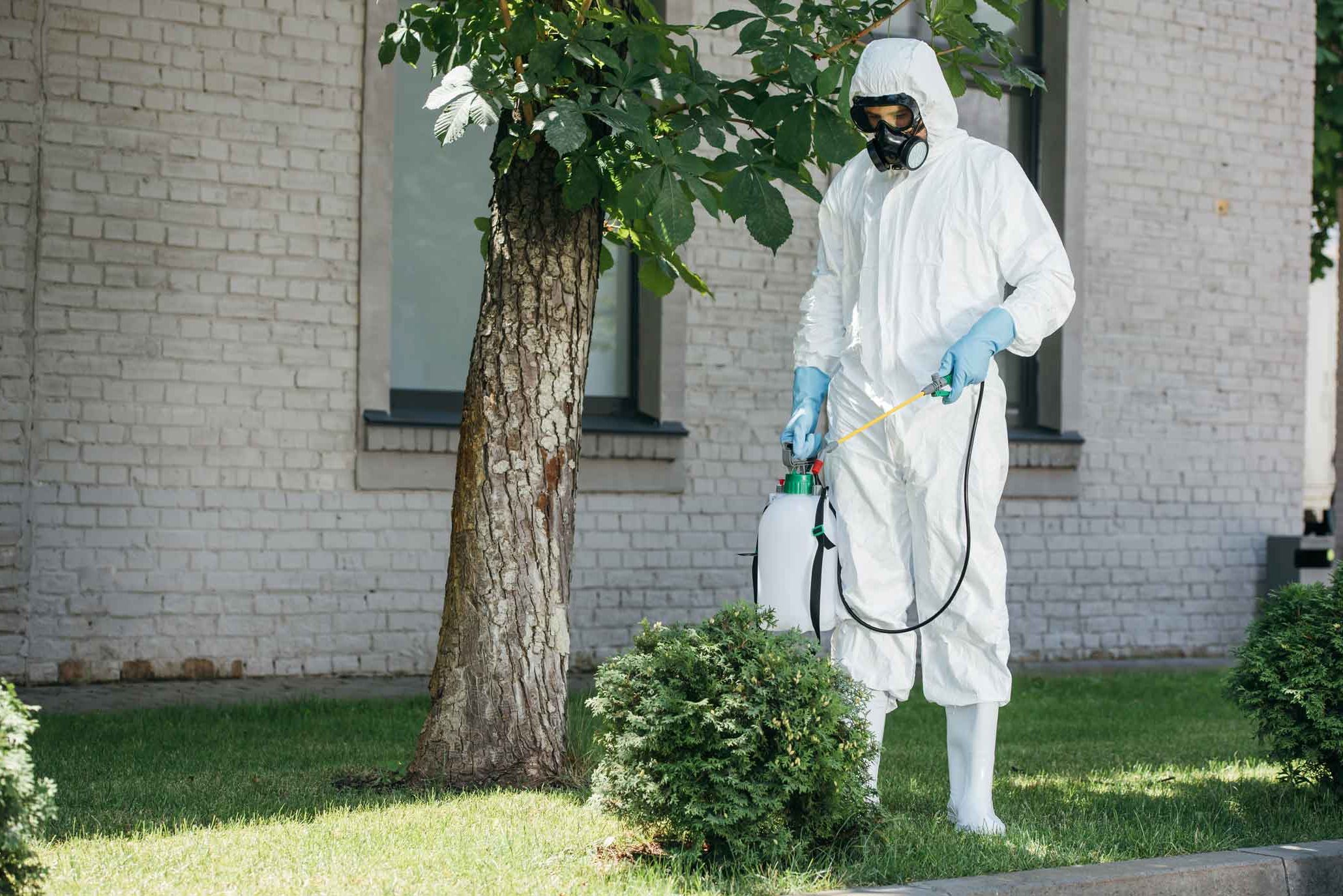
Trusted termite specialists protecting Miramar homes
Company Value
Where Trusted Expertise Meets Modern Termite Protection
To provide Miramar homeowners with the most reliable, high-quality termite protection available—ensuring safer, healthier homes for generations to come.
Our mission is to detect, eliminate, and prevent termite damage using modern treatment methods, expert technicians, and service built on integrity.
A simple promise backed by expertise, speed, and genuine care for our community.
Delivering trusted termite protection with care and integrity
- Trusted Experts
- Customer Focused
- Quality Driven
- Eco-Safe Products
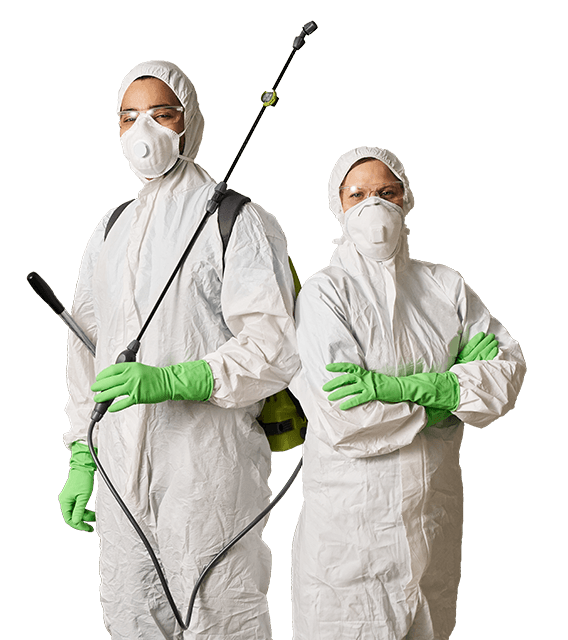
Years Experience
Your reliable partner in termite-free living
We provide honest inspections, transparent pricing, and service built around your peace of mind.
We work closely with homeowners to build custom protection plans that fit your property and long-term needs.
Comprehensive Guide to Termites and Effective Pest Control Miramar FL
Termites are small, social insects that play a critical role in ecosystems by breaking down cellulose found in dead plant material. Despite their ecological importance, termites are known for causing significant damage to wooden structures, costing billions of dollars annually in repairs and prevention efforts. To effectively manage and control termite activity, it’s essential to understand their unique behaviors and lifecycle.
Social Structure of Termites
Termite colonies operate within a highly organized caste system, each caste serving a specific function necessary for the survival of the colony: – Workers: Responsible for foraging, building tunnels, maintaining the nest, and feeding other members of the colony. Workers are wingless and pale in color. – Soldiers: Tasked with defending the colony against intruders such as ants or other predators. They are equipped with larger heads and strong mandibles or chemical-spraying mechanisms depending on the species. – Reproductives: These include kings, queens, and alates (winged termites). The queen lays eggs while kings continuously fertilize them. Alates leave the nest during swarming seasons to establish new colonies.
Understanding this hierarchy is crucial when targeting termite infestations because disrupting any one group may not be sufficient to eliminate their presence entirely.
Feeding Habits of Termites
Termites primarily feed on cellulose, an organic compound found in wood, paper products, and plant material. Some key characteristics of their feeding behavior include: – Subterranean Termites: Build mud tubes to access food sources without exposing themselves to open air. – Drywood Termites: Infest dry wood directly without requiring soil contact. – Dampwood Termites: Prefer moist or decaying wood typically found outdoors.
A proper understanding of these dietary preferences can assist property owners in identifying potential vulnerabilities on their premises.
Lifecycle Stages
The development of termites includes three primary stages: 1. Egg Stage: Eggs hatch into immature termites known as nymphs. 2. Nymph Stage: Nymphs mature into various castes based on environmental factors and the colony’s needs (worker, soldier, or reproductive). 3. Adult Stage: Fully developed termites perform roles essential to sustaining the colony.
The ability of reproductives (particularly queens) to lay thousands of eggs over several years makes termite populations grow rapidly if left unchecked.
Behavioral Patterns That Aid Survival
Several behavioral traits make termites particularly challenging pests: – Tunneling Skills: Subterranean termites build an intricate network of tunnels that provide protection from predators while enabling access to food sources. – Swarming Behavior: During mating season, alates swarm out from colonies seeking new nesting sites—this is often one of the first visible signs indicating an infestation. – Cooperative Care: Members share resources like food through a process called trophallaxis (food exchange), enhancing survival rates when resources are scarce.
Comprehensive Guide to Pest Control Services Miramar FL
| Behavior | Description | Impact on Infestation |
| Social Caste System | Division of labor among workers, soldiers, and reproductives | Ensures colony survival |
| Tunneling | Creation of underground networks for safe travel | Harder detection; structural compromise |
| Swarming | Reproductive alates leave nests during specific seasons | Spreads infestation |
| Cellulose Digestion | Feeding primarily on wood materials | Damage to wooden structures |
By understanding these behaviors comprehensively, it becomes easier to implement targeted strategies aimed at reducing termite activity before they cause substantial damage.
Effective Termite Control Miramar FL: Understanding Different Types of Termites and Their Traits
Termites are among the most fascinating yet destructive insects on the planet. They play a critical role in natural ecosystems by decomposing dead plant material, yet their presence in man-made structures can lead to costly damage. Understanding the different types of termites and their unique characteristics is key to identifying and managing infestations effectively.
Top Pest Control Companies Miramar FL Recommend for Termite Issues
- Habitat: These termites build extensive underground colonies connected to above-ground food sources through mud tubes.
- Physical Traits: Workers are small, light-colored, and soft-bodied; soldiers have enlarged mandibles for defense.
- Behavior: Subterranean termites require moisture to survive and often infest structures by entering through foundations or cracks. They primarily consume softwood.
- Geographical Range: Found globally but particularly prevalent in warmer climates.
- Habitat: Unlike subterranean species, drywood termites do not need contact with soil or water sources. They live directly inside wood and derive moisture from the cellulose they consume.
- Physical Traits: Larger than subterranean termites with a dark brown or reddish appearance; wings may be present on reproductive individuals during swarming season.
- Behavior: Infest furniture, attic beams, or any untreated wooden items indoors without leaving external signs such as mud tubes. Often slower to cause damage compared to subterranean species due to smaller colony sizes.
- Geographical Range: Found in tropical and subtropical regions.
- Habitat: These termites prefer wood with high moisture content, such as decaying logs or stumps, making them less likely to invade dry homes unless there is significant water damage present.
- Physical Traits: Typically larger than both subterranean and drywood species; they exhibit dark coloration.
- Behavior: Dampwood termite colonies are relatively small compared to other types but can cause significant damage if unchecked in water-damaged areas.
- Geographical Range: Common along coastal areas or regions with high humidity.
| Type | Habitat | Key Behavior | Common Locations |
| Subterranean | Underground soil | Build mud tubes for moisture access | Warm climates globally |
| Drywood | Dry wooden structures | Live directly in wood without soil contact | Tropics/subtropics |
| Dampwood | Moist/decaying wood | Target water-damaged materials | Coastal/high humidity |
Understanding Termite Types with an Exterminator Miramar FL
- Subterranean termites are highly dependent on soil moisture and build elaborate tunnel systems for survival.
- Drywood termites are self-sufficient regarding moisture needs but form smaller colonies compared to subterranean counterparts.
- Dampwood termites thrive in wet environments but rarely attack dry structures unless significant water damage exists.
Effective Extermination Miramar FL: Identifying Termite Species Matters
- Subterranean species often require soil treatment methods such as liquid termiticides or bait stations placed strategically around a building’s foundation.
- Drywood infestations may be treated using localized spot treatments like heat application or fumigation due to their tendency to remain confined within wooden materials.
- Dampwood-related issues typically necessitate addressing underlying moisture problems before applying additional treatment methods.
By understanding the distinct characteristics of these termite types—subterranean, drywood, and dampwood—homeowners can adopt tailored approaches that minimize property damage while preserving structural integrity over time.
Effective Solutions from a Bed Bug Exterminator Miramar FL for Pest Control Needs
Termites are a diverse group of insects that play a vital role in breaking down organic material in ecosystems. However, their ability to feed on wood and cellulose-based materials often turns them into pests when they target human structures. Understanding the different types of termites is critical for effective identification, control, and prevention strategies. Termites can generally be classified into three main categories: subterranean termites, drywood termites, and dampwood termites. Each type exhibits distinct characteristics, nesting habits, and preferences.
Subterranean Termites
Subterranean termites are among the most destructive termite species worldwide. They live in underground colonies that can house thousands to millions of individuals.
- Build mud tubes to travel between their colony and food sources.
- Require moisture to survive and thrive in damp environments.
- Feed primarily on structural wood but will also consume other cellulose-based materials.
- Often enter buildings through cracks in foundations or wood-to-soil contact points.
- Work collaboratively to cause significant damage over time without immediate signs.
| Feature | Description |
| Colony Size | Large (thousands to millions) |
| Nesting Location | Underground soil near moisture sources |
| Damage Potential | High (structural damage) |
Drywood Termites
Drywood termites differ from their subterranean counterparts by not requiring moist soil for survival. They are commonly found in dry climates and infest wooden structures directly.
- Do not require soil contact for nesting or survival.
- Infest dry wood such as furniture, attic beams, or flooring.
- Produce distinct pellet-like droppings (frass), which serve as a key sign of infestation.
- Colonies are significantly smaller compared to subterranean termites.
- Tend to spread more slowly due to limited colony size.
| Feature | Description |
| Colony Size | Small (few hundred individuals) |
| Nesting Location | Inside dry wood |
| Damage Potential | Moderate |
Dampwood Termites
Dampwood termites are less common but can still pose problems for homeowners living near water sources or areas with high humidity levels. As their name suggests, they prefer water-damaged or decaying wood.
- Larger than both subterranean and drywood termites.
- Typically infest wet or decayed timber rather than sound structural wood.
- Rarely create mud tubes since they don’t rely on soil connection.
- Their presence is often indicative of underlying moisture problems at the property.
| Feature | Description |
| Colony Size | Medium |
| Nesting Location | Wet or decayed wood |
| Damage Potential | Low (but may indicate underlying moisture issues) |
Comprehensive Guide to Rodent Control Miramar FL and Pest Management
| Type | Soil Contact Required? | Preferred Wood Condition | Typical Habitat |
| Subterranean | Yes | Moist | Underground |
| Drywood | No | Dry | Above-ground structures |
| Dampwood | No | Wet/Decayed | High-moisture environments |
Understanding these differences helps guide effective termite control measures tailored to specific infestations—ensuring both efficient mitigation and long-term protection against potential threats.
Effective Chemical and Non-Chemical Treatments for Termite Control
When dealing with a termite infestation, selecting the right treatment method is crucial. Both chemical and non-chemical treatments are available to eliminate termites and prevent further damage. Each method has its advantages, limitations, and use cases depending on the severity of the infestation and environmental considerations.
Chemical Treatments for Termite Control
- Applied in soil around a structure to create a chemical barrier.
- Prevent termites from entering buildings and kill any already present within treated areas.
- Common active ingredients include fipronil, imidacloprid, and bifenthrin.
- Contain slow-acting insecticides combined with cellulose material (a termite food source).
- Workers carry the bait back to the colony, where it spreads, eventually eliminating the colony over time.
- Often preferred for eco-sensitive areas as they use minimal chemicals.
- Surface applications directly onto wood or injection into infested wood using borate-based solutions or other pesticides.
- Protects untreated wood from further termite damage by repelling or killing termites upon contact.
| Chemical Treatment Type | Usage | Benefits | Limitations |
| Liquid Termiticides | Soil barrier | Long-lasting protection | Requires professional handling |
| Termite Baits | Colony control | Targeted and minimal impact | Slower results |
| Wood Treatments | Direct application | Prevents reinfestation | Limited to accessible areas |
Non-Chemical Treatments for Termite Control
- Stainless steel mesh or sand barriers installed during construction to prevent subterranean termites from accessing structures.
- Often utilized as proactive measures rather than reactive solutions.
- Involves raising the temperature of an infested area to levels lethal for termites (typically above 120°F).
- Non-toxic and leaves no chemical residues; ideal for localized infestations within furniture or small structures.
- Microscopic parasitic worms that actively seek out and kill termite larvae in soil environments.
- A natural biological solution with no impact on humans or pets.
Choosing Between Treatment Options
- Larger infestations may require liquid termiticides or baits.
- Non-toxic methods such as heat treatments are suitable where chemical exposure must be minimized.
- Some methods (e.g., heat treatment) may be more expensive than others but offer specific benefits like eco-friendliness.
Combining both approaches often provides optimal results when dealing with significant infestations while ensuring long-term protection against reoccurrence.
Effective Termite Control and Prevention Tips for Homeowners in Miramar FL
Termites can cause significant damage to homes and structures if left unchecked. Implementing effective prevention strategies is key to protecting your property in the long term. Below are essential methods, including practical steps, to safeguard your home or building from termite infestations.
Maintain Proper Moisture Levels
Termites thrive in moisture-rich environments, making it crucial to reduce excess moisture near your home. Consider the following measures:
– Fix leaky pipes, faucets, and air conditioning units that may contribute to dampness.
– Ensure proper drainage around the foundation of your building.
– Clean gutters regularly and direct downspouts away from the foundation.
– Use a dehumidifier if necessary for areas prone to high humidity, such as basements or crawl spaces.
Eliminate Wood-to-Ground Contact
Subterranean termites often enter structures through wood that is in direct contact with soil. To minimize this risk:
– Keep firewood, lumber, and other wooden materials stored at least 20 feet away from your home and off the ground.
– Use concrete or metal supports under wooden deck posts and fence posts that are in contact with the soil.
| Material | Recommended Distance from Soil | Reason |
| Firewood | 20 feet | Prevents easy termite access |
| Wooden Deck Posts | Install on concrete bases | Reduces direct soil contact |
| Wooden Fencing | Treated wood or raised structure | Longer lifespan; limits termite entry |
Use Termite-Resistant Building Materials
When constructing or renovating a home, selecting materials resistant to termites is a proactive way to protect against infestations:
– Pressure-treated wood contains preservatives that deter termites.
– Consider alternative materials such as metal, concrete, or composite materials for construction elements like siding and roofing.
Install Physical and Chemical Barriers
Physical Barriers:
- Stainless steel mesh: Acts as a durable shield against subterranean termites.
- Sand barriers: Fine-grain sand tightly packed around foundations can block termite movement.
Chemical Barriers:
Professional-grade termiticides can be applied around the perimeter of structures by licensed professionals to create an invisible barrier that repels termites.
Regular Inspections & Monitoring Systems
Routine inspections go a long way toward detecting signs of potential termite activity early. Here’s what you should do:
1. Schedule annual professional inspections for comprehensive evaluations. 2. Install bait monitoring systems around your property; these systems attract termites and allow experts to intervene before damage occurs.
Reduce Vegetation Near Structures
Landscaping choices can directly impact termite activity around your home: – Avoid planting trees or shrubs too close to structures; roots may create pathways for termites. – Trim back tree branches touching buildings. – Remove dead stumps or decaying wood near foundations.
By integrating these prevention methods into routine maintenance practices, you can significantly reduce the risk of termite infestations while ensuring long-term protection for your property.