
WELCOME TO West ParkTERMITE DEFENSE
Termite Exterminators in West Park, FL
Termites thrive in South Florida’s heat and humidity. Our local specialists use advanced detection and treatment to stop active infestations and protect your home year-round.
Feedback
60k

Our service
Effective termite protection for a damage-free home.
Expert termite solutions for long-lasting home protection.
Termites are a serious threat in West Park’s humid climate. Our certified specialists use industry-leading technology to detect, eliminate, and prevent termite activity—keeping your home protected year-round.


Years experience
Advanced termite treatment tailored to West Park homes.
Family-safe and pet-safe solutions that protect without harsh chemicals.
Local experts with deep knowledge of Florida’s toughest termite species.
What we offer
Your trusted partner for complete termite & pest protection

Comprehensive termite inspections using advanced detection tools to identify hidden activity and structural risks.
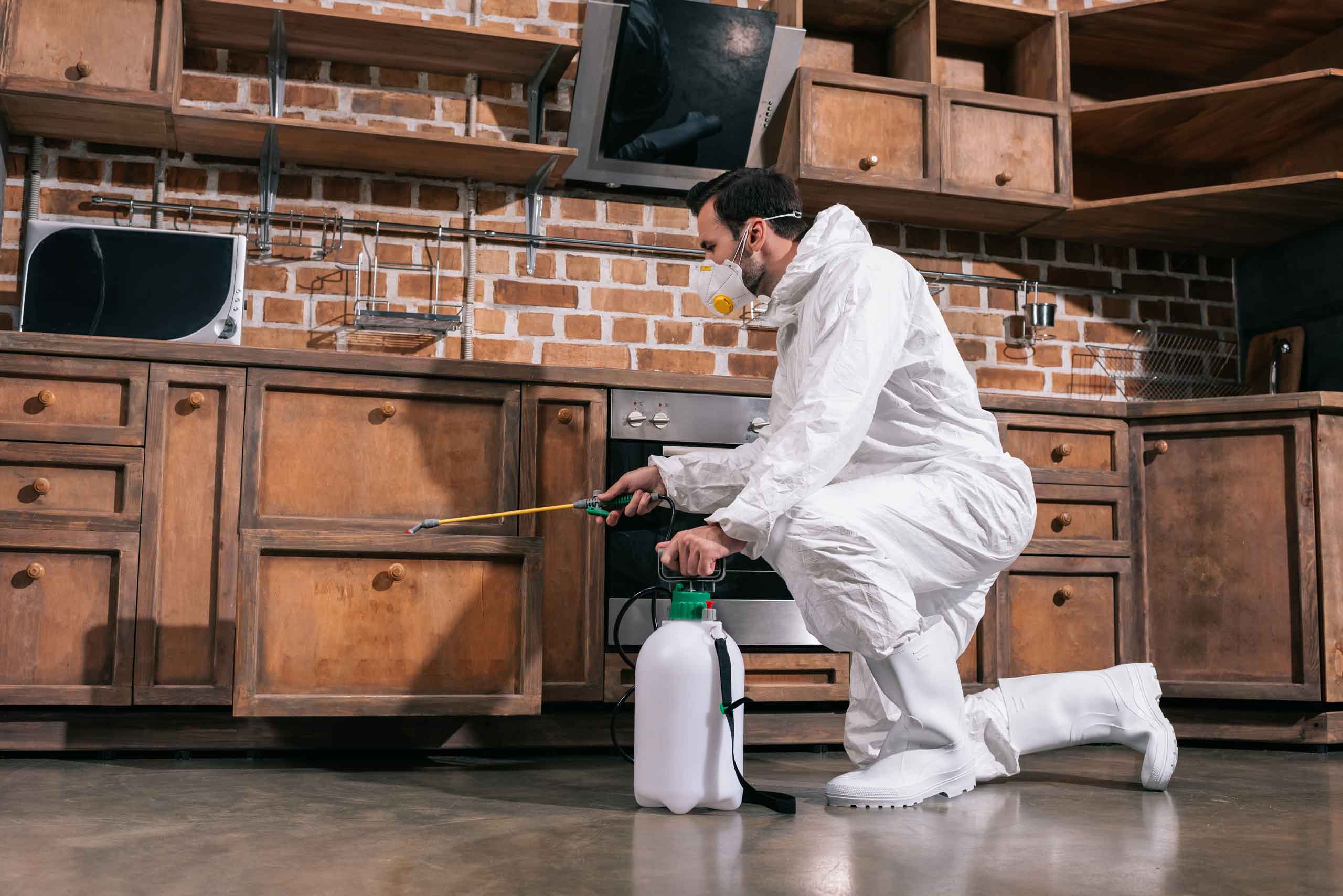
Targeted treatments designed to eliminate active termite colonies and protect your home from further damage.

Long-lasting protection through soil treatments, baiting systems, and preventative barriers tailored to West Park homes.

Full-structure fumigation for severe infestations, delivering complete removal of termites and wood-destroying pests.
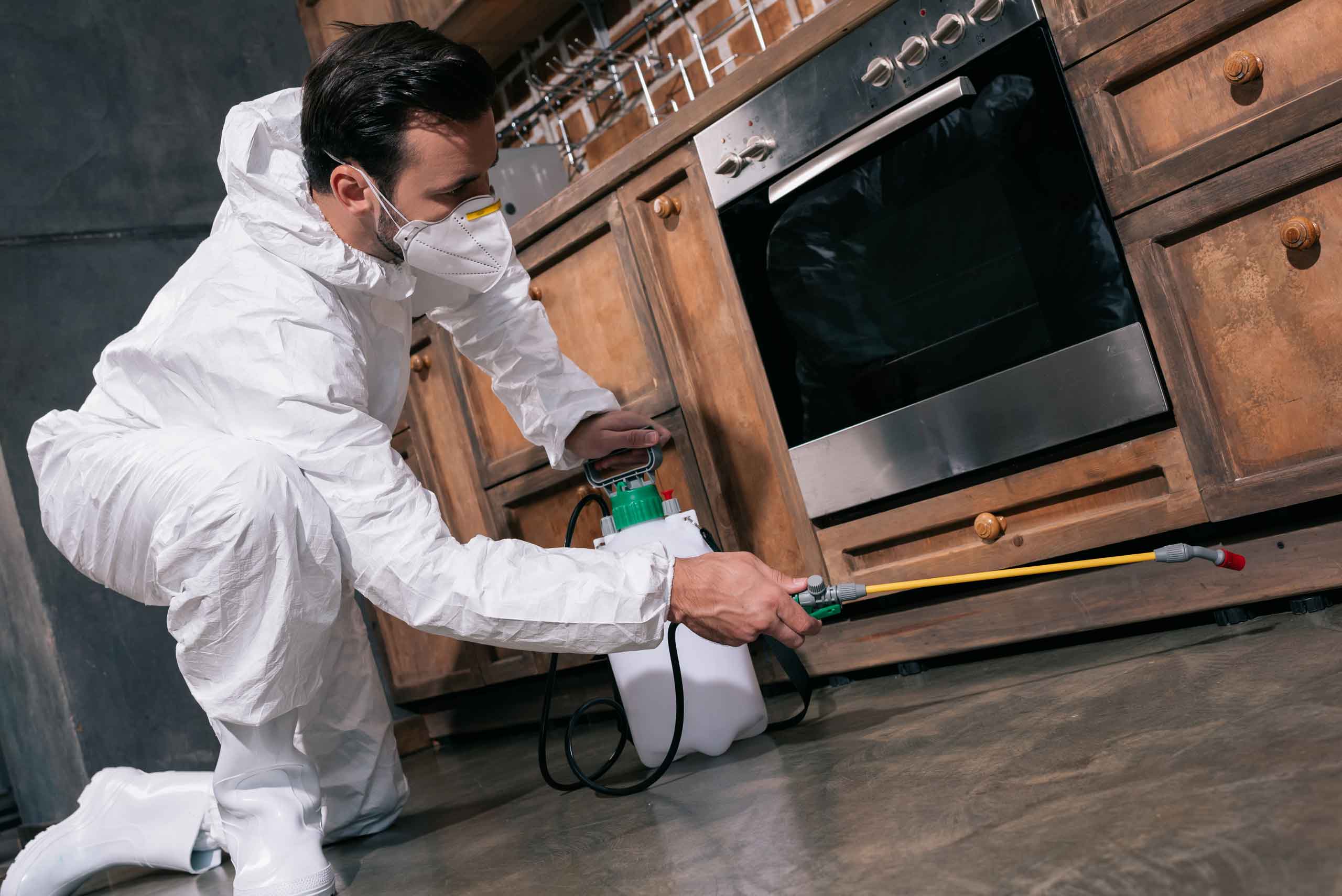
Fast and effective removal of ants, roaches, rodents, spiders, and other common West Park pests—safe for families and pets.

Specialized services to reduce moisture and protect wooden structures—helping prevent future termite activity.
Areas Served
City FL, Termite Exterminators
Testimonials
What Our Customers Say
Homeowners across West Park trust us to protect their properties from costly termite damage. Here’s what some of our clients have to say about their experience with our team.

“Their inspection was incredibly thorough, and the technician took time to answer all my questions. I felt informed and reassured throughout the entire process. Highly recommend!”

We had a serious termite problem in our warehouse, and this pest control team handled it quickly and professionally. Their technicians were friendly, explained every step clearly

“We discovered termites in our attic and panicked. Miami Termite Defense came out the same day, explained everything clearly, and treated the problem quickly. Our home has been termite-free ever since.”

We had a serious termite problem in our warehouse, and this pest control team handled it quickly and professionally. Their technicians were friendly, explained every step clearly

“We signed up for their annual protection plan, and it’s the best decision we made. The team is always on time, professional, and great at keeping our home safe from termites.”

We had a serious termite problem in our warehouse, and this pest control team handled it quickly and professionally. Their technicians were friendly, explained every step clearly

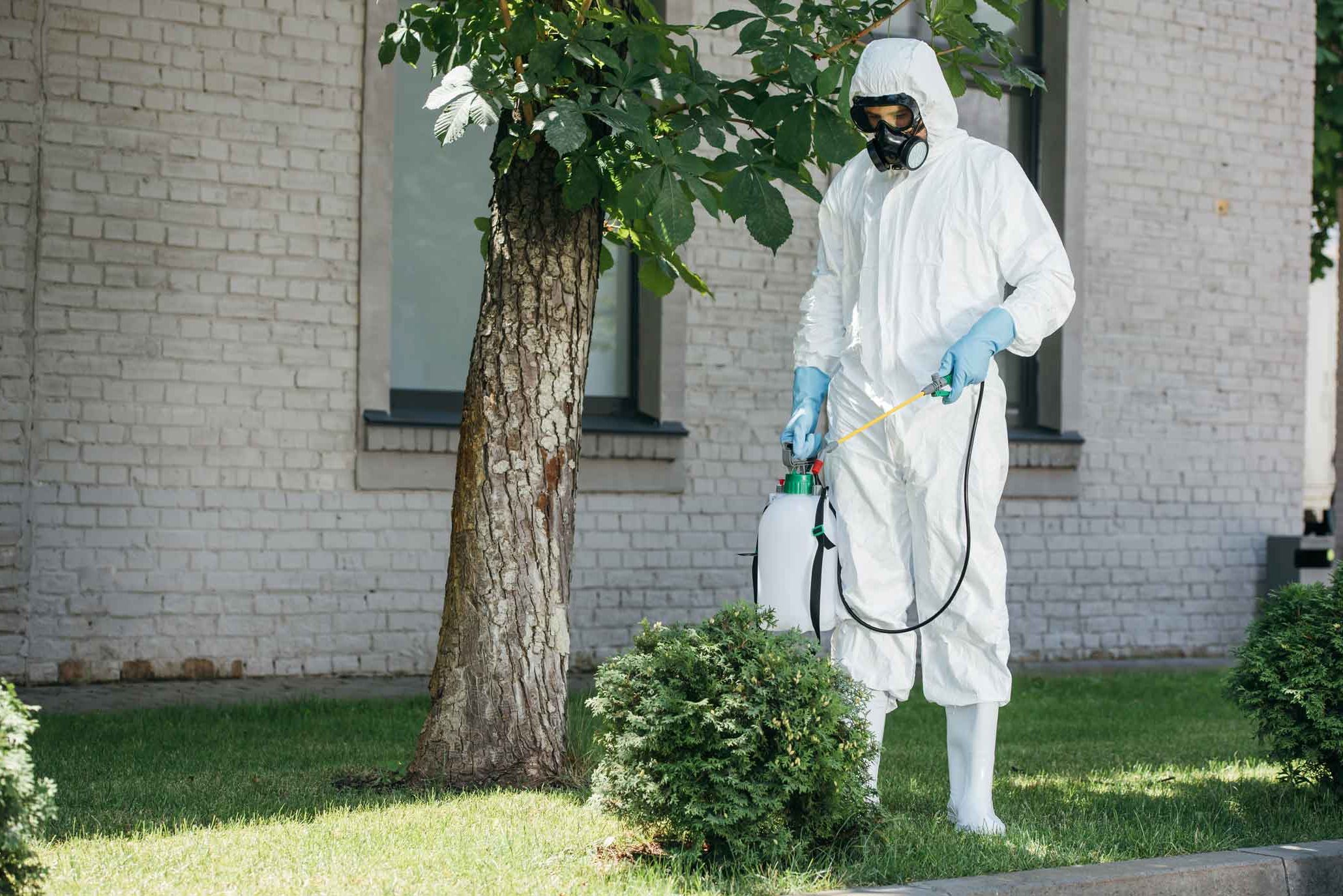
Why Choose Us
Trusted termite specialists protecting West Park homes
Company Value
Where Trusted Expertise Meets Modern Termite Protection
To provide West Park homeowners with the most reliable, high-quality termite protection available—ensuring safer, healthier homes for generations to come.
Our mission is to detect, eliminate, and prevent termite damage using modern treatment methods, expert technicians, and service built on integrity.
A simple promise backed by expertise, speed, and genuine care for our community.
Delivering trusted termite protection with care and integrity
- Trusted Experts
- Customer Focused
- Quality Driven
- Eco-Safe Products

Years Experience
Your reliable partner in termite-free living
We provide honest inspections, transparent pricing, and service built around your peace of mind.
We work closely with homeowners to build custom protection plans that fit your property and long-term needs.
Effective Termite Control West Park FL: Top Strategies to Protect Your Home
Termites can cause significant damage to your home if left unchecked. Taking proactive measures to prevent a termite infestation is essential for maintaining the structural integrity of your property. Below are some effective strategies that can help safeguard your home from termites.
Effective Tips from an Exterminator West Park FL to Eliminate Moisture Sources
- Fix leaky pipes, faucets, and HVAC systems promptly.
- Ensure gutters and downspouts direct water away from your home’s foundation.
- Use dehumidifiers in basements or crawl spaces prone to high humidity levels.
- Repair any roof leaks as soon as possible.
Maintaining dry and well-ventilated areas around your home is one of the primary methods of discouraging termite activity.
Effective Pest Control Through Landscaping in Extermination West Park FL
- Trim shrubs, bushes, and trees so they don’t touch exterior walls or roofing.
- Avoid using wood mulch near the foundation; instead, opt for alternatives like gravel or rubber mulch.
- Grade soil so it slopes away from the house, preventing water pooling near the foundation.
These adjustments not only reduce termite risks but also improve overall drainage around the property.
Tips from a Bed Bug Exterminator West Park FL: Use Termite-Resistant Materials
| Material Type | Benefits |
| Pressure-treated wood | Chemically treated to resist termite damage |
| Concrete | Non-organic material that doesn’t attract pests |
| Metal frames | Long-lasting and impervious to termite activity |
Using resistant materials adds an extra layer of protection against infestations in vulnerable areas like decks, fences, and foundations.
Effective Rodent Control Tips for West Park FL: Seal Cracks and Gaps
- Seal cracks in the foundation using caulk or cement.
- Install weatherstripping around windows and doors.
- Close gaps where utility lines enter the house (e.g., plumbing or electrical conduits).
Paying attention to these small details helps block termites from gaining access before they have an opportunity to invade.
Schedule Regular Professional Inspections
Even with preventive measures in place, scheduling annual inspections by licensed pest control professionals is highly recommended. These experts can identify early signs of termite activity that may go unnoticed by untrained individuals while offering targeted treatments if needed.
By incorporating these strategies into household maintenance routines, homeowners significantly reduce the likelihood of facing costly repairs due to termite infestations while protecting their investment long-term.
Effective Ways to Prevent Termites West Park FL Homeowners Should Know
Moisture is a critical factor in attracting termites to your home. Termites are particularly drawn to damp environments because it helps them survive and thrive. Fixing drainage issues around your property is one of the most effective ways to reduce moisture and, consequently, prevent termite infestations. Below, we’ll explore how addressing drainage problems can protect your home from these destructive pests.
How Drainage Issues Contribute to Termite Infestations
- Standing Water: Pooled water near the foundation of your house creates damp soil conditions, which termites find appealing.
- Clogged Gutters: Blocked gutters can lead to water overflow, saturating the soil near your home and causing excess humidity.
- Ineffective Downspouts: Poorly positioned downspouts that don’t channel water away from your house contribute to long-term moisture buildup around the foundation.
- Poor Grading: A poorly graded yard allows rainwater or runoff to accumulate near your home’s base instead of flowing away.
Steps to Fix Drainage Problems
- Clean Your Gutters Regularly
Remove leaves, debris, and dirt from gutters at least twice a year to prevent water overflow that could saturate walls or foundations. - Install Downspout Extensions
Ensure downspouts extend several feet away from the foundation so rainwater is directed far enough away from vulnerable areas. - Repair Leaky Pipes and Faucets
Check outdoor faucets, hoses, or irrigation systems for leaks that might contribute unnecessary moisture close to the home. - Regrade Your Landscape
If necessary, regrade your yard so it slopes gently away from your house’s foundation—this prevents water from pooling near structures after heavy rainfall. - Install a French Drain System In areas where excess water accumulation is unavoidable, consider installing French drains or other drainage systems designed specifically for directing water away from problem zones.
Benefits of Moisture Control for Termite Prevention
| Benefit | Explanation |
| Reduced Termite Attraction | Eliminating excessive moisture makes it harder for termites to survive nearby |
| Prevention of Property Damage | Prevents wood rot caused by prolonged exposure to damp conditions |
| Enhanced Structural Integrity | Keeps foundations dry and reduces risks associated with structural weakening |
Signs You May Need Professional Assistance
While minor fixes such as cleaning gutters or adding extensions can often be done independently, severe drainage issues may require professional help. If you notice significant pooling water around your property despite interventions—or if you suspect existing termite activity—consult with experts who specialize in both pest control and landscaping solutions.
By fixing drainage problems early on and maintaining consistent monitoring efforts around moisture-prone areas of the home, you stand a better chance of minimizing risk factors associated with termite infestations in the future.
How Proper Drainage Helps with Pest Control West Park FL to Prevent Termite Infestations
Proper water management around your home is one of the most critical steps in preventing termite infestations. Termites, especially subterranean species, thrive in moist environments. Excess moisture creates an ideal habitat for termites by softening wood and providing a consistent water source for their survival. Therefore, addressing drainage issues is fundamental to keeping these destructive pests at bay.
Common Drainage Problems That Can Attract Termites
- If the soil around your home slopes toward the foundation rather than away from it, rainwater or irrigation runoff can pool around the structure.
- Standing water increases humidity levels near your home and creates favorable conditions for termites.
- When gutters are clogged with leaves and debris, water overflows and drips down exterior walls, soaking the foundation.
- This constant dampness can weaken wooden components in contact with the ground.
- Outdoor plumbing fixtures that leak can saturate surrounding soil over time.
- Termites are attracted to this moisture-rich environment where they can easily locate softened wood.
- Poor ventilation or inadequate waterproofing can lead to excessive humidity in basements and crawl spaces.
- This damp environment provides termites with easy access to structural wood.
Strategies to Fix Drainage Problems
- Grade the Landscape Properly: Ensure that soil slopes away from your home by at least 6 inches over a distance of 10 feet. This prevents water from pooling around the foundation.
- Clean Gutters Regularly: Clear debris from gutters at least twice a year to facilitate proper water flow through downspouts.
- Extend Downspouts: Use downspout extenders or splash blocks to direct water at least 4–6 feet away from your home’s foundation.
- Fix Leaks Promptly: Repair dripping outdoor faucets, leaky pipes, or defective sprinkler systems immediately to prevent excess soil saturation.
- Install French Drains or Sump Pumps: For areas prone to persistent standing water, consider installing French drains or sump pumps for efficient removal of excess water.
- Ventilate Crawl Spaces: Increase air circulation in crawl spaces using vents or dehumidifiers if necessary. Proper ventilation helps maintain an optimal humidity level below 50%.
Table: Signs Your Home May Have Drainage Issues
| Problem | Potential Effect on Termite Risk | Suggested Solution |
| Water pooling near foundation | Creates high-moisture zones that attract termites | Regrade soil; install drainage systems |
| Clogged gutters | Increases wall dampness | Clean gutters routinely |
| Leaking outdoor faucets | Saturates nearby soil | Repair leaks promptly |
| High crawl space humidity | Promotes softening of wood | Use dehumidifiers; improve airflow |
Why Fixing Drainage is Essential
Eliminating excess moisture not only deters termites but also protects your home’s structural integrity by preventing rot and decay in wooden elements. By addressing drainage concerns proactively, you create an inhospitable environment for termites while reducing costly repairs associated with infestations later on.
Top Reasons to Choose Pest Control Services West Park FL for Inspections and Treatments
Expertise in Identifying Termite Activity
One of the key reasons to call a termite control expert is their ability to detect termite activity early. Signs of an infestation can be subtle and easy to miss without proper training. Professionals are trained to identify:
– Mud tubes along walls or foundations
– Discarded wings near windows or doors
– Hollowed wood that sounds empty when tapped
– Frass (termite droppings) resembling sawdust
Early identification allows for quicker treatment, preventing costly structural damage.
Comprehensive and Targeted Treatments
Unlike over-the-counter products, professional termite treatments are tailored to the specific type of infestation present in your home. Experts use a combination of methods, such as:
– Liquid termiticides applied around the foundation for long-term protection
– Baiting systems that target worker termites and disrupt colony growth
– Non-repellent treatments that termites cannot detect, ensuring effectiveness
This customized approach ensures maximum efficiency in eradicating termites while minimizing disruption to your household.
Long-Term Cost Savings
| Repair Type | Average Cost Without Treatment | Cost With Regular Inspections |
| Structural Repairs | $3,000 – $10,000+ | Negligible with prevention |
| Replacing Damaged Wood | $1,500 – $7,000 | Minimal costs |
| Furniture Repairs | $500 – $2,500 | Avoidable |
Regular inspections allow experts to catch problems early before they escalate into expensive repairs.
Use of Advanced Tools and Techniques
Modern termite control methods often involve tools and techniques unavailable to untrained individuals. For example:
– Infrared cameras can detect heat variations caused by termite activity within walls.
– Moisture meters identify areas prone to infestation due to dampness.
– Termite detection dogs provide precise identification of active colonies in hard-to-reach spaces.
By relying on these advanced technologies, professionals ensure thorough inspections and effective treatment applications.
Peace of Mind Through Guaranteed Results
Most pest control companies provide warranties or guarantees with their services. This means you’re covered if termites return within a specified period after treatment. Knowing that experts stand behind their work offers homeowners peace of mind—something DIY solutions rarely provide.
When Should You Schedule Inspections?
To reduce the chances of severe damage from termites:
1. Schedule routine inspections annually (or biannually in high-risk areas).
2. Contact experts immediately if you notice signs like mud tubes, frass, or hollow wood sounds. 3. Plan extra inspections following renovations or after natural disasters such as floods that increase moisture levels around your home.
Regular visits from certified specialists ensure your property remains protected year-round from these destructive pests while saving time and resources in the long run.
Calling termite control professionals is not just about solving an immediate problem—it’s about safeguarding one of your most significant investments: your home.
Tips from Pest Control Companies West Park FL: Keeping Firewood and Wood Debris Away to Prevent Termite Problems
One of the simplest yet highly effective ways to reduce the risk of termite infestations is by managing firewood and wood debris around your home. Termites are naturally drawn to wood as a food source, making improper storage or disposal of wood products an open invitation for these pests. Below, we’ll explore why this practice is essential and provide actionable steps you can take.
Why Firewood and Wood Debris Attract Termites
Termites thrive on cellulose, which is found in all types of wood. Firewood piles, wooden debris, and even untreated lumber can serve as both a primary food source and shelter for termites. If these materials are stored in close proximity to your home, termites can easily spread into structural components like wooden siding, beams, or flooring.
Here’s why keeping wood away from your home is critical:
– Direct Access: Stacked firewood near your home’s foundation creates a bridge for termites to move into your structure undetected.
– Moisture Retention: Storing firewood improperly often results in moisture buildup, which attracts termites even more since they rely on humid environments.
– Hidden Infestations: Infested firewood can harbor termites that could extend their colony into nearby areas.
Best Practices for Managing Firewood
- Store Firewood at Least 20 Feet Away from Your Home
Keep any stack of firewood at a safe distance from all structures, including sheds or garages. Ideally, maintain a gap of at least 20 feet to reduce the chances of termite migration into your property. - Elevate Firewood Off the Ground
Use racks or pallets to raise firewood stacks several inches off the ground. This minimizes contact with moist soil while allowing proper air circulation around the logs. - Only Bring in Small Quantities
Avoid bringing large amounts of firewood indoors unless immediately needed for use. Excess logs inside your home could transport termites directly into living spaces. - Inspect Regularly for Signs of Infestation
Periodically check stored wood for signs such as mud tubes, hollow sounds when tapped, or visible termite activity. - Rotate Old Stock First
Use older logs before newer ones to ensure no single piece remains undisturbed too long—providing an extended opportunity for infestation.
Handling Wood Debris
| Type of Wood Debris | Recommended Action |
| Fallen branches | Remove promptly and dispose far from structures |
| Tree stumps | Grind down stumps or remove them completely |
| Scrap lumber | Store neatly off-ground or discard appropriately |
Additional Tips
- Avoid burying wooden debris on your property since it may create hidden termite colonies underground.
- Seal cracks and crevices in outdoor structures where termites might find entry points.
- Consider using pre-treated lumber that resists decay and future infestations if you’re storing larger quantities outdoors.
Proactively managing how you store and handle firewood or debris is a critical step toward maintaining a termite-free property over time.