
WELCOME TO Miami LakesTERMITE DEFENSE
Termite Exterminators in Miami Lakes, FL
Termites thrive in South Florida’s heat and humidity. Our local specialists use advanced detection and treatment to stop active infestations and protect your home year-round.
Feedback
60k

Our service
Effective termite protection for a damage-free home.
Expert termite solutions for long-lasting home protection.
Termites are a serious threat in Miami Lakes’s humid climate. Our certified specialists use industry-leading technology to detect, eliminate, and prevent termite activity—keeping your home protected year-round.
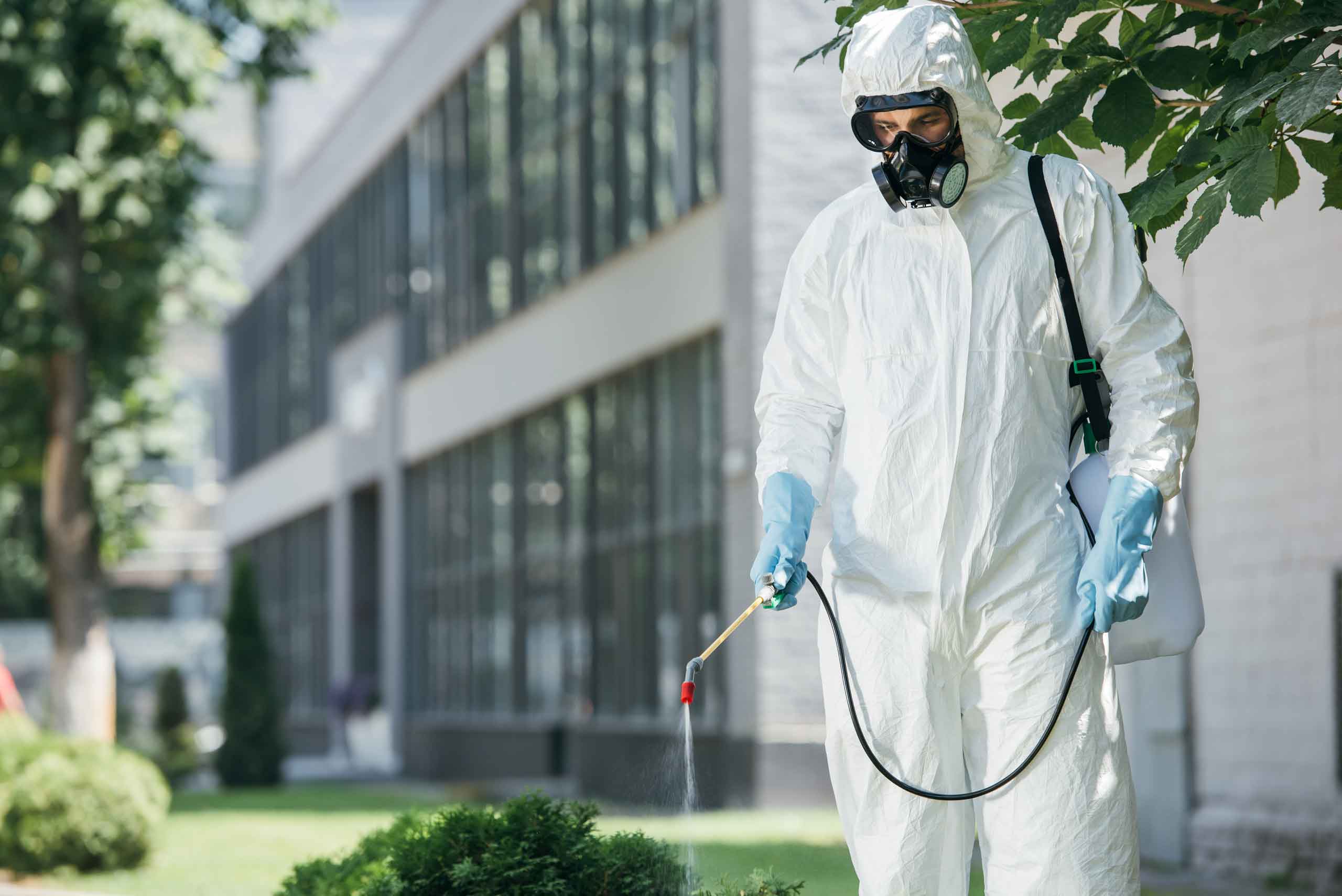

Years experience
Advanced termite treatment tailored to Miami Lakes homes.
Family-safe and pet-safe solutions that protect without harsh chemicals.
Local experts with deep knowledge of Florida’s toughest termite species.
What we offer
Your trusted partner for complete termite & pest protection

Comprehensive termite inspections using advanced detection tools to identify hidden activity and structural risks.
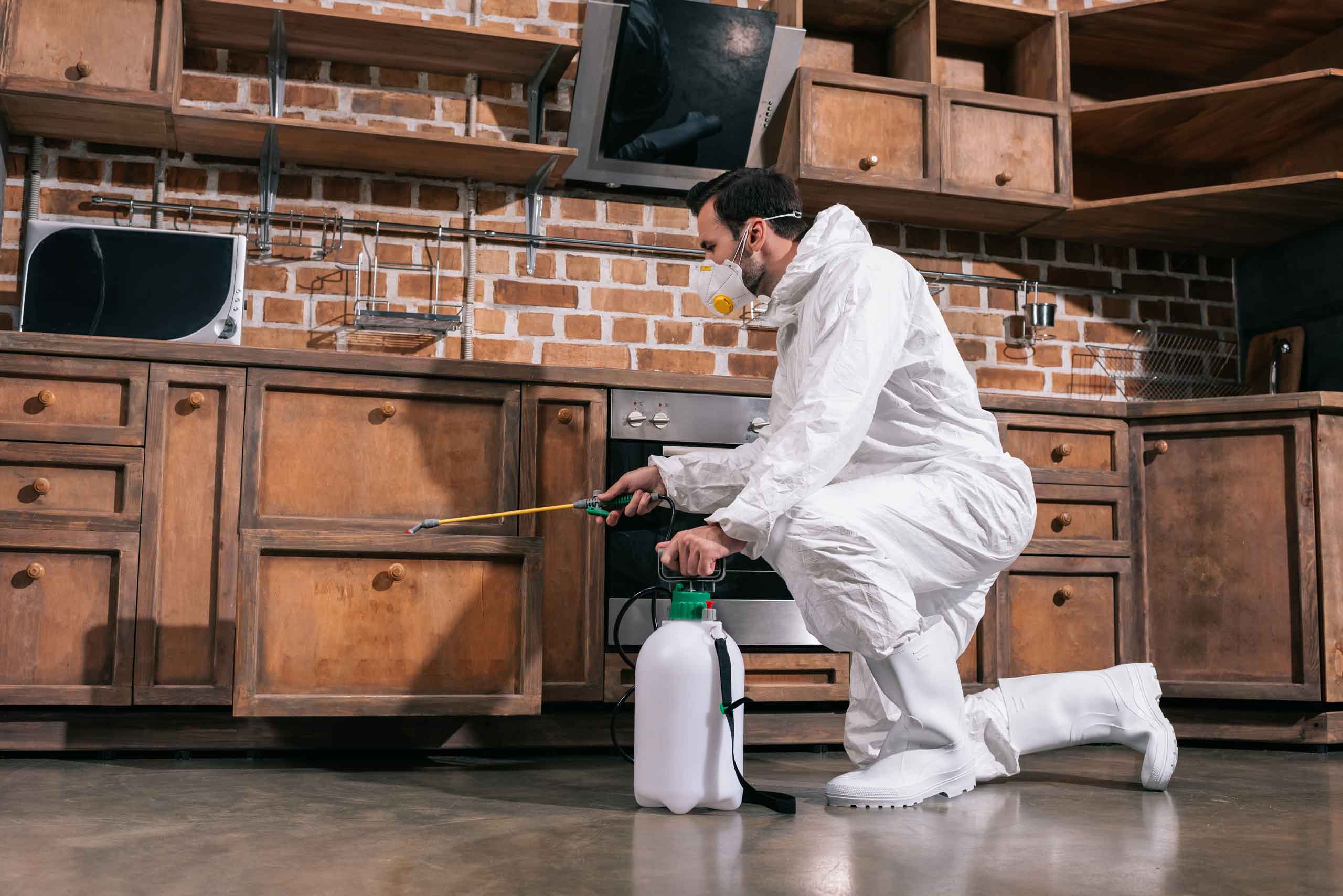
Targeted treatments designed to eliminate active termite colonies and protect your home from further damage.
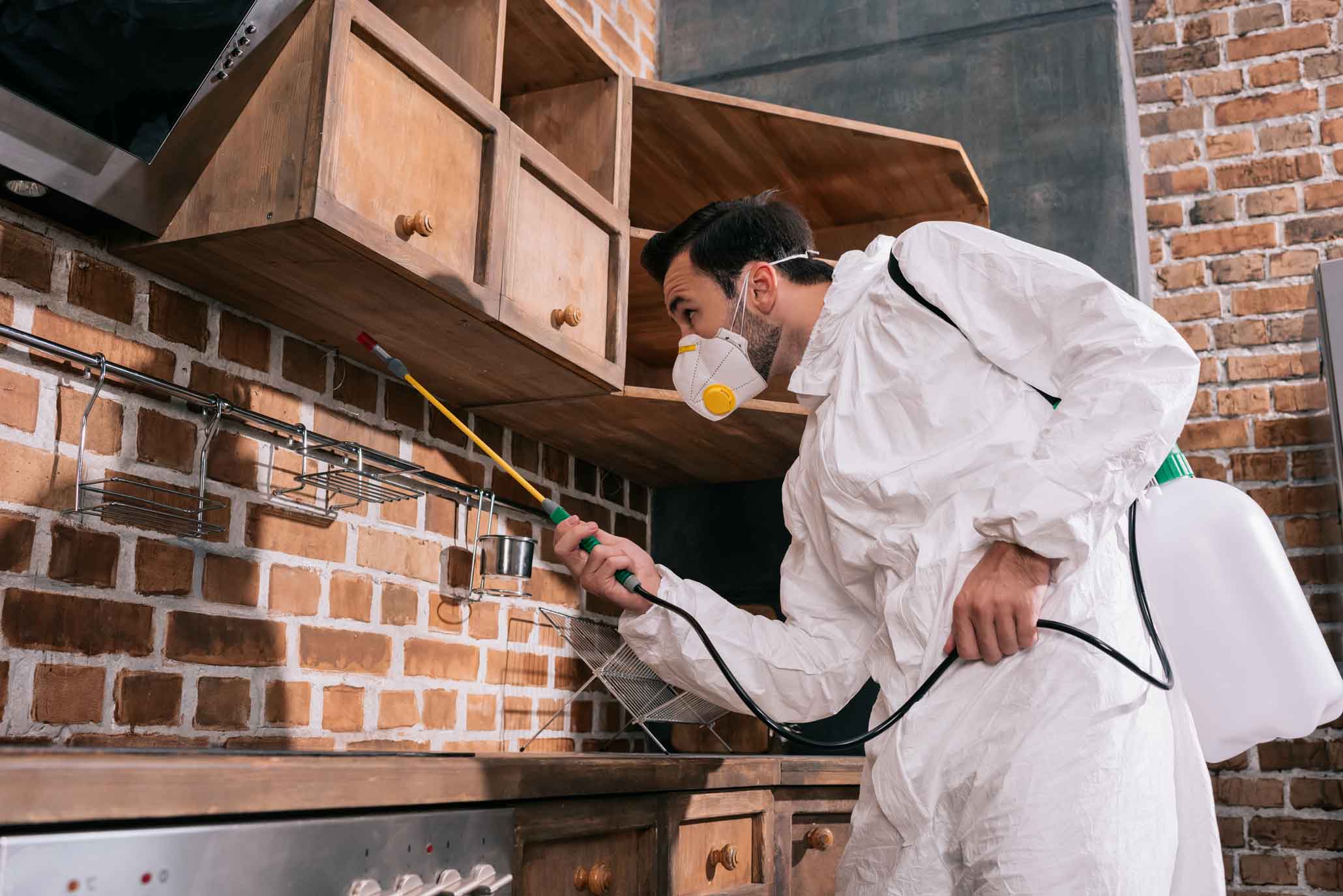
Long-lasting protection through soil treatments, baiting systems, and preventative barriers tailored to Miami Lakes homes.
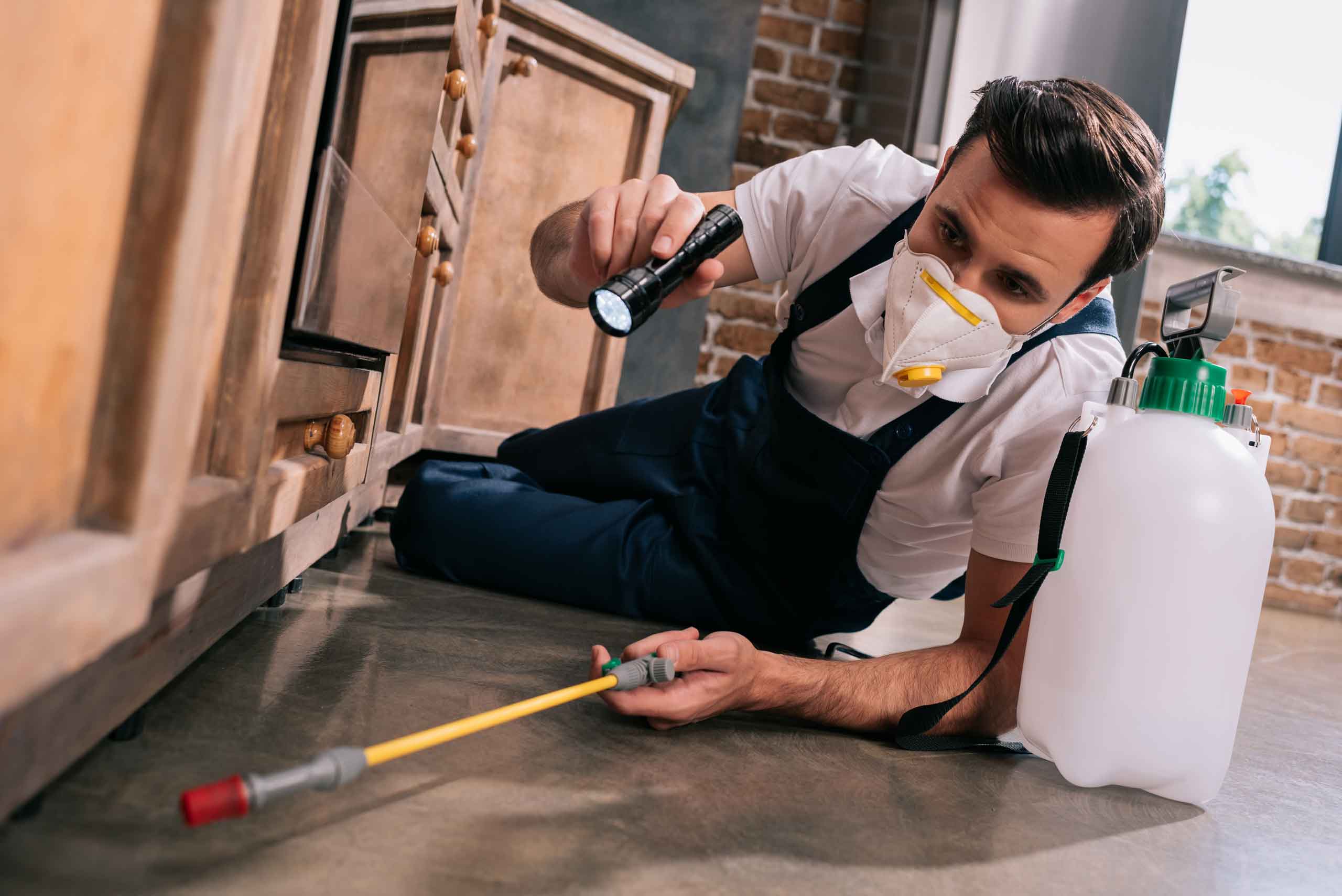
Full-structure fumigation for severe infestations, delivering complete removal of termites and wood-destroying pests.
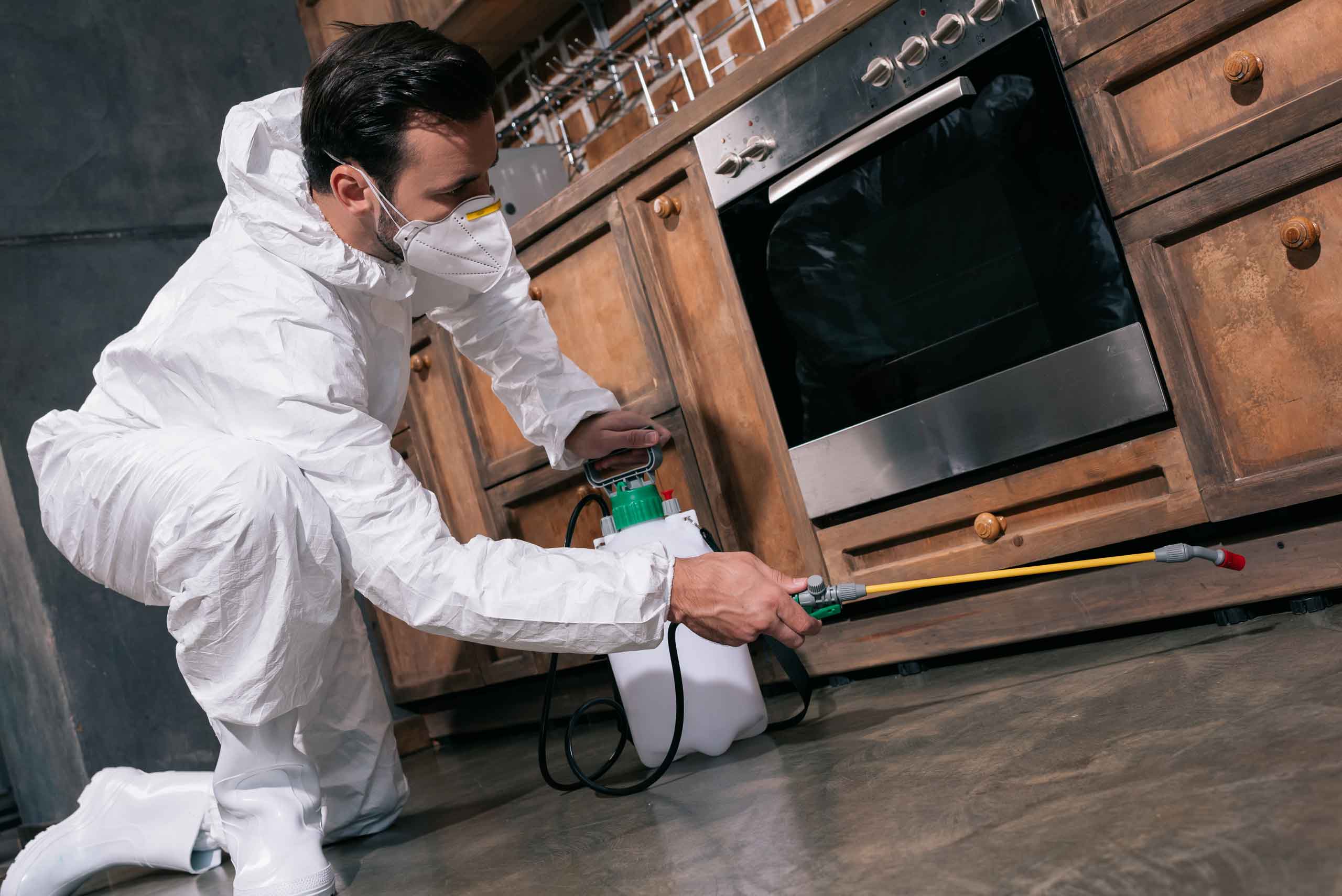
Fast and effective removal of ants, roaches, rodents, spiders, and other common Miami Lakes pests—safe for families and pets.
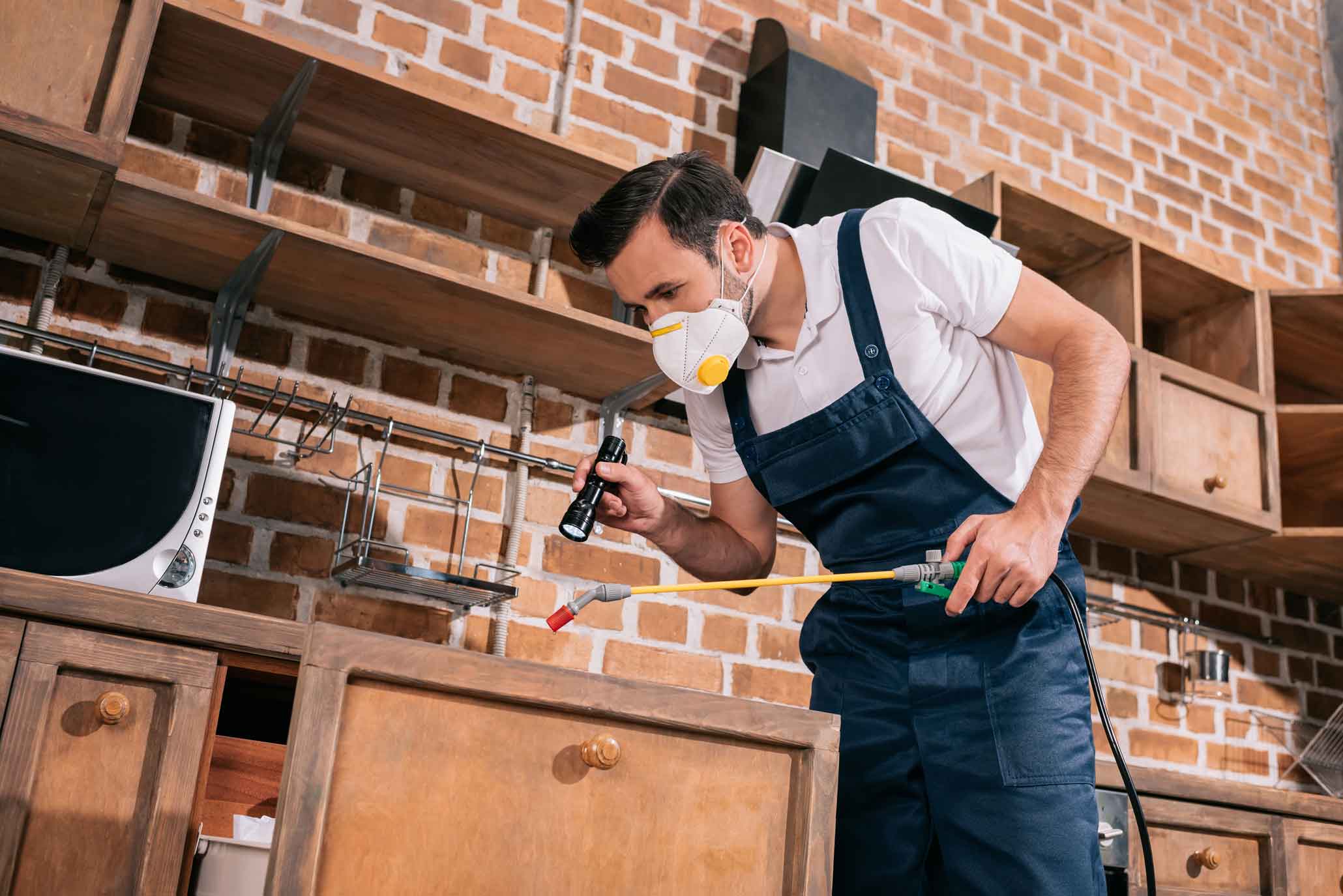
Specialized services to reduce moisture and protect wooden structures—helping prevent future termite activity.
Areas Served
City FL, Termite Exterminators
Testimonials
What Our Customers Say
Homeowners across Miami Lakes trust us to protect their properties from costly termite damage. Here’s what some of our clients have to say about their experience with our team.

“Their inspection was incredibly thorough, and the technician took time to answer all my questions. I felt informed and reassured throughout the entire process. Highly recommend!”

We had a serious termite problem in our warehouse, and this pest control team handled it quickly and professionally. Their technicians were friendly, explained every step clearly

“We discovered termites in our attic and panicked. Miami Termite Defense came out the same day, explained everything clearly, and treated the problem quickly. Our home has been termite-free ever since.”

We had a serious termite problem in our warehouse, and this pest control team handled it quickly and professionally. Their technicians were friendly, explained every step clearly

“We signed up for their annual protection plan, and it’s the best decision we made. The team is always on time, professional, and great at keeping our home safe from termites.”

We had a serious termite problem in our warehouse, and this pest control team handled it quickly and professionally. Their technicians were friendly, explained every step clearly

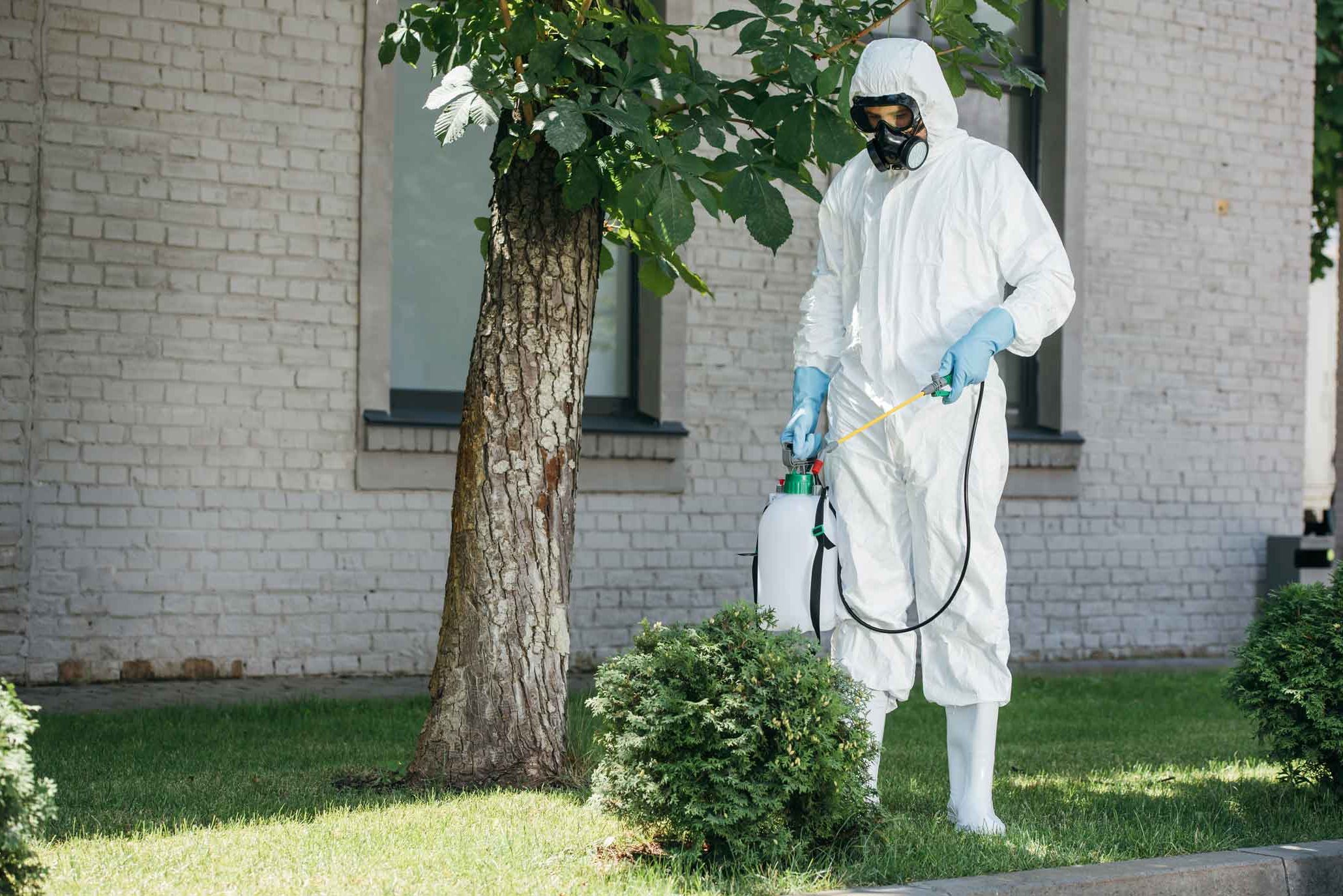
Why Choose Us
Trusted termite specialists protecting Miami Lakes homes
Company Value
Where Trusted Expertise Meets Modern Termite Protection
To provide Miami Lakes homeowners with the most reliable, high-quality termite protection available—ensuring safer, healthier homes for generations to come.
Our mission is to detect, eliminate, and prevent termite damage using modern treatment methods, expert technicians, and service built on integrity.
A simple promise backed by expertise, speed, and genuine care for our community.
Delivering trusted termite protection with care and integrity
- Trusted Experts
- Customer Focused
- Quality Driven
- Eco-Safe Products

Years Experience
Your reliable partner in termite-free living
We provide honest inspections, transparent pricing, and service built around your peace of mind.
We work closely with homeowners to build custom protection plans that fit your property and long-term needs.
The Benefits of Professional Pest Control Services Miami Lakes FL Over DIY Methods
Termites are among the most destructive pests that can invade a property. While DIY termite control methods may seem cost-effective and convenient, they often fail to offer the long-term protection and effectiveness required to combat infestations. Professional termite control, on the other hand, provides targeted solutions and superior outcomes for several key reasons.
Expertise and Training
Licensed pest control professionals undergo extensive training to identify and address termite infestations effectively.
- Accurately identify the species of termites affecting your property.
- Assess the extent of the infestation, including hidden colonies.
- Recommend tailored solutions based on the unique needs of your home or structure.
DIY methods typically lack this precision due to limited knowledge of termite behavior and biology.
Advanced Tools and Techniques
Professional exterminators have access to advanced tools and treatment methods not available in over-the-counter solutions.
- Termiticides: High-quality chemical treatments used by professionals are often more potent, longer-lasting, and environmentally responsible compared to DIY alternatives.
- Baiting Systems: Professionals install specialized baiting systems that target termites at their source while minimizing impacts on non-target organisms.
- Thermal Imaging: Advanced imaging technologies help uncover hidden termite activity in walls or beneath floors.
Most DIY approaches rely on basic sprays or traps, which are insufficient for addressing well-established colonies or subterranean termites.
Comprehensive Inspections
| Inspection Component | DIY Efforts | Professional Services |
| Identification of Entry Points | Limited knowledge may miss key areas | Focuses on cracks, foundations, attics, etc. |
| Detection of Hidden Colonies | Visual inspection only | Uses technology like moisture meters or infrared cameras |
| Assessment of Damage | May overlook structural damage | Provides detailed reports with repair recommendations |
These inspections ensure no aspect of an infestation is overlooked, whereas DIY evaluations may leave critical vulnerabilities unaddressed.
Customized Treatment Plans
Termite infestations vary significantly based on factors such as species type, colony size, property layout, and local environmental conditions. Professionals craft customized treatment plans that consider these variables.
- Localized treatments for drywood termites.
- Extensive soil treatments for subterranean termites.
- Preventive barriers tailored to high-risk areas.
DIY solutions lack this level of customization since most involve generalized products that aren’t effective against all scenarios.
Long-Term Prevention
- Application of perimeter treatments around homes.
- Installation of physical barriers during construction phases.
- Recommendations for ongoing maintenance strategies like moisture management.
DIY efforts rarely provide ongoing protection from re-infestation since they address symptoms rather than root causes.
Cost Considerations
While professional services have upfront costs that might seem higher than DIY options, they generally save money in the long run due to their effectiveness in preventing costly structural damage. Homeowners attempting multiple rounds of ineffective treatments often end up spending more over time without fully resolving the issue.
Choosing the Best Pest Control Companies Miami Lakes FL
Relying on professional termite control services ensures precision, safety, and long-term results when dealing with these destructive pests. From access to advanced tools and techniques to expert knowledge about termite behavior and prevention strategies—professionals significantly outperform DIY methods in every aspect related to termite management. Investing in professional help not only protects your property but also provides peace of mind knowing that your home is safeguarded against future threats.
Effective Termite Control in Miami Lakes FL: Addressing Infestations Before They Escalate
Termites may be small, but their ability to cause significant structural damage can lead to costly repairs and potential safety hazards. Ignoring a termite infestation can escalate the issue, as these insects work continuously, often without being detected until the damage becomes severe. Understanding the risks of neglecting a termite problem and taking proactive measures is essential for protecting your property.
How an Exterminator Miami Lakes FL Can Help With Termite Infestations
- Structural Compromise:
Termites feed on cellulose found in wood and other plant-based materials, which makes wooden structures particularly vulnerable. Over time, they can weaken beams, support structures, walls, and floors. Prolonged infestations may even lead to structural collapse. - Decreased Property Value:
A property with termite damage is less attractive to potential buyers. Even if repairs are completed, a history of infestation can lower market value or deter prospective buyers altogether. - Expensive Repairs:
Early detection is critical because untreated infestations result in more extensive damage that requires costly professional restoration efforts. Some infestations can cost thousands of dollars to remediate. - Health Risks:
While termites are not known for direct health issues like bites or disease transmission, their presence can foster mold growth due to moisture buildup in damaged wood. Mold exposure poses serious respiratory risks for inhabitants.
Key Signs You Need Extermination Miami Lakes FL
Being vigilant about early warning signs helps prevent escalation: – Mud Tubes: Subterranean termites construct thin mud tubes along walls or foundations as protective pathways.Hollow-Sounding Wood: Tapping on wooden surfaces that sound hollow could indicate internal tunneling by termites.Discarded Wings: Swarmers shed their wings after finding a nesting site; seeing piles near windowsills or doorways is an indicator.Frass (Termite Droppings): Drywood termites leave behind small pellet-like droppings near infested areas.Sagging Floors or Ceilings: Weakening wooden elements may lead to visible warping or sagging over time.
Professional Bed Bug Exterminator Miami Lakes FL: Effective Solutions for Infestations
- Professional Inspection: Hiring licensed pest control experts ensures accurate identification of the termite species involved and the extent of the infestation.
- Chemical Treatments: Liquid termiticides are injected into soil around foundations to create barriers against subterranean termites.
- Baiting Systems: Strategically placed bait traps lure termites, exposing colonies to slow-acting toxins that eradicate them effectively.
- Fumigation: For severe drywood termite infestations within enclosed spaces like attics or walls, fumigation eliminates all life stages.
- Repair Damaged Areas Safely: Ensure damaged wood is replaced with treated timber resistant to future attacks. For minor damages, epoxy resins might suffice for reinforcement purposes.
- Limit soil-to-wood contact by elevating wooden structures off ground level.
- Regularly seal cracks in foundations where termites could enter unnoticed.
- Reduce moisture levels by fixing leaks and maintaining proper ventilation indoors.
DIY vs Professional Rodent Control Miami Lakes FL: A Complete Comparison
| Aspect | DIY Methods | Professional Services |
| Effectiveness | Limited success | Comprehensive eradication |
| Cost | Low upfront cost | Higher initial investment |
| Expertise Required | Basic knowledge | Specialized training |
| Long-term Prevention | Minimal protection | Ongoing monitoring programs |
| Chemicals & Tools Used | General store-bought sprays | Advanced equipment & solutions |
Ignoring termites creates long-term consequences that far outweigh the costs associated with early intervention through professional services or preventive measures. Taking decisive action ensures your home remains safe from both immediate physical harm and future reinfestation threats while preserving its value over time.
The Dangers of Ignoring Termite Infestations and How to Address Them Effectively
Ignoring a termite infestation can lead to significant structural damage, costly repairs, and even health concerns. Understanding the risks associated with untreated infestations is critical for homeowners and property managers alike. In addition, addressing termites promptly requires a combination of effective strategies, professional assessment, and preventive measures.
Why Ignoring Termites is Dangerous
Termites are often referred to as “silent destroyers” due to their ability to cause extensive damage without immediate detection.
- Structural Compromise: Termites feed on wood and other cellulose-based materials. Over time, this can weaken key structural components such as beams, floors, walls, and ceilings.
- Escalating Repair Costs: Left unaddressed, termite damage may require expensive repairs or even full structural replacements.
- Decreased Property Value: A history of termite issues or visible damage can lower the resale value of your property.
- Health Risks: While termites themselves do not pose direct health threats to humans, damp conditions caused by their colonies may promote mold growth, potentially leading to respiratory issues.
Recognizing the early signs of termites can prevent severe damages.
- Hollow-sounding wood when tapped
- Discarded wings near windows or doors
- Mud tubes along walls or foundations
- Small piles of termite droppings (frass)
- Distorted or bubbling paint on wooden surfaces
If any of these signs are observed, immediate action is essential.
How to Address Termite Infestations Effectively
- Professionals use specialized tools such as moisture meters and infrared cameras to detect hidden activity.
- Chemical Treatments: Liquid termiticides create barriers around the property.
- Baiting Systems: Baits attract termites and distribute toxic substances throughout the colony.
- Heat Treatments: Non-chemical methods that involve heating infested areas above lethal temperatures for termites.
- Assess the extent of structural damage with assistance from contractors or pest control experts.
- Replace weakened wood components or reinforce damaged areas for safety.
- Prevention Measures Taking proactive steps can help reduce future infestations:
- Maintain proper drainage systems around your property to reduce moisture buildup.
- Remove wood debris and keep firewood away from foundations.
- Seal cracks in your home’s exterior that could serve as entry points for termites.
| Action Step | Benefit |
| Professional Inspection | Confirms presence & extent |
| Chemical/Bait Treatment | Eliminates active colonies |
| Structural Repairs | Restores strength & safety |
| Preventive Measures | Reduces risk of recurrence |
Long-Term Maintenance Tips
Once an infestation has been addressed: – Schedule regular termite inspections (at least annually). – Keep landscaping well-maintained; avoid planting trees too close to foundation walls. – Monitor wooden structures periodically for new signs of activity.
By taking timely action against termites and adopting preventive strategies, you safeguard your investment while reducing repair costs over time. Ignoring these pests only compounds potential risks—making it essential to act decisively when signs first appear.
Comprehensive Guide to Termites Miami Lakes FL and Their Impact on Structures
Understanding the various termite species and how they affect structures is crucial for effectively managing infestations. Different types of termites pose varying levels of risk to your property, depending on their behavior, habitat, and feeding patterns. Below is a detailed guide to the most common termite species and their potential impact.
Subterranean termites are among the most destructive pests when it comes to structural damage. They live in colonies underground and build mud tubes to access above-ground food sources, such as wood.
Key Characteristics:– Thrive in moist environments. – Require soil contact to survive. – Build extensive tunnel systems for feeding and protection.
Impact on Structures:– They attack wood from the inside out, making detection difficult. – Can weaken critical structural components like beams and joists.
| Feature | Details |
| Colony Size | Large (up to millions of members) |
| Primary Habitat | Soil-based |
| Damage Potential | High |
Unlike subterranean termites, drywood termites do not require soil contact. They infest dry wood, such as furniture or above-ground wooden structures.
Key Characteristics:– Prefer low-moisture environments. – Form smaller colonies compared to subterranean termites. – Leave behind distinctive pellet-shaped droppings (frass).
Impact on Structures:– Can infest exposed wood used in furniture or frameworks. – Cause gradual but persistent damage over time.
| Feature | Details |
| Colony Size | Small to medium |
| Primary Habitat | Dry wood |
| Damage Potential | Moderate |
Dampwood termites are attracted to decaying or moisture-rich wood. These termites are less likely to infest homes unless there is a consistent source of moisture.
Key Characteristics:– Larger in size compared to other termite species. – Require high humidity or water-damaged wood for survival.
Impact on Structures:– Typically found in areas with plumbing leaks or poor drainage systems. – Can exacerbate existing water damage issues by feeding on damp timber.
| Feature | Details |
| Colony Size | Medium |
| Primary Habitat | Moist/decayed wood |
| Damage Potential | Low (unless moisture issues persist) |
Known as one of the most aggressive termite species, Formosan termites are a type of subterranean termite with enormous colonies capable of causing widespread destruction in a short time frame.
Key Characteristics:– Extremely large colonies. – Highly adaptable and can invade various habitats.
Impact on Structures:– Infest multiple materials including concrete cracks, plastic pipes, and even plasterboards. – Cause severe structural compromise if untreated promptly.
Summary Table: Comparing Common Termite Types
| Termite Type | Habitat Requirement | Damage Severity | Detection Challenge Level |
| Subterranean Termites | Soil/moisture-dependent | Severe | High |
| Drywood Termites | Dry/exposed wood | Moderate | Medium |
| Dampwood Termites | Moist/rotting timber | Low-to-moderate | Low-to-medium |
| Formosan Termites | Highly adaptable | Extreme | High |
Why Understanding These Types Matters
Knowing what type of termite you’re dealing with allows homeowners and pest control professionals to design targeted treatments that minimize damage while efficiently eradicating infestations. Regular inspections can help identify specific species early, reducing repair costs significantly over time while preserving your property’s integrity.
Prevent Costly Repairs: How Termites Damage Homes and Pest Control Miami Lakes FL Solutions
Termites can cause significant structural damage to homes, often resulting in expensive repairs if infestations are left unchecked. Understanding the methods termites use to damage homes and implementing preventive measures can save property owners from costly outcomes.
How Termites Damage Homes
Termites primarily feed on cellulose, an organic compound found in wood and other plant-based materials. Their destructive behavior is often unnoticed until the infestation has escalated.
- Wood Destruction: Termites tunnel through structural wood, weakening beams, floors, and walls. This compromises the integrity of a building over time.
- Foundation Issues: Subterranean termites may create mud tubes leading to a home’s foundation, causing hidden damage.
- Door and Window Frames: Wooden fixtures such as doorframes or window sills are also vulnerable to termite feeding.
- Termites sometimes chew through insulation protecting electrical wiring, which can lead to short circuits or even fires.
- Wooden furniture, books, and paper products are at risk of destruction when termites infest indoor areas.
- The appearance of blistered paint or hollow-sounding wood indicates termite activity under surfaces like flooring or walls.
Ways to Prevent Costly Repairs
Preventive measures are critical for mitigating termite-related damages before they escalate into expensive problems.
- Schedule periodic professional termite inspections at least once per year.
- Inspect crawl spaces, attics, basements, and wooden structures for visible signs of damage or mud tubes.
- Early detection allows for faster intervention to prevent widespread destruction.
- Repair leaking pipes or faucets promptly as termites thrive in moist conditions.
- Ensure proper drainage around your home by maintaining gutters and downspouts.
- Use dehumidifiers for damp areas like basements that attract termite colonies.
- Fill cracks in your home’s foundation with caulk or durable sealants.
- Install metal mesh screens on vents to deter subterranean termites from entering through gaps.
| Action | Benefit |
| Keep firewood off the ground | Reduces attraction points for termites |
| Maintain at least an 18-inch gap between soil and wooden components | Prevents direct access points for subterranean species |
- Replace untreated wood with pressure-treated lumber during construction projects.
- Apply termiticide coatings to wood exposed to outdoor conditions such as decks or fences.
- Trim tree branches or shrubs that touch your home’s exterior as these provide pathways for drywood termites.
- Avoid using mulch close to your home’s foundation; instead consider alternatives like gravel.
By understanding how termites inflict damage on homes and proactively implementing these prevention methods, homeowners can reduce the risk of costly repairs while safeguarding their property’s structural integrity over time.