
WELCOME TO Golden GladesTERMITE DEFENSE
Termite Exterminators in Golden Glades, FL
Termites thrive in South Florida’s heat and humidity. Our local specialists use advanced detection and treatment to stop active infestations and protect your home year-round.
Feedback
60k

Our service
Effective termite protection for a damage-free home.
Expert termite solutions for long-lasting home protection.
Termites are a serious threat in Golden Glades’s humid climate. Our certified specialists use industry-leading technology to detect, eliminate, and prevent termite activity—keeping your home protected year-round.

Years experience
Advanced termite treatment tailored to Golden Glades homes.
Family-safe and pet-safe solutions that protect without harsh chemicals.
Local experts with deep knowledge of Florida’s toughest termite species.
What we offer
Your trusted partner for complete termite & pest protection

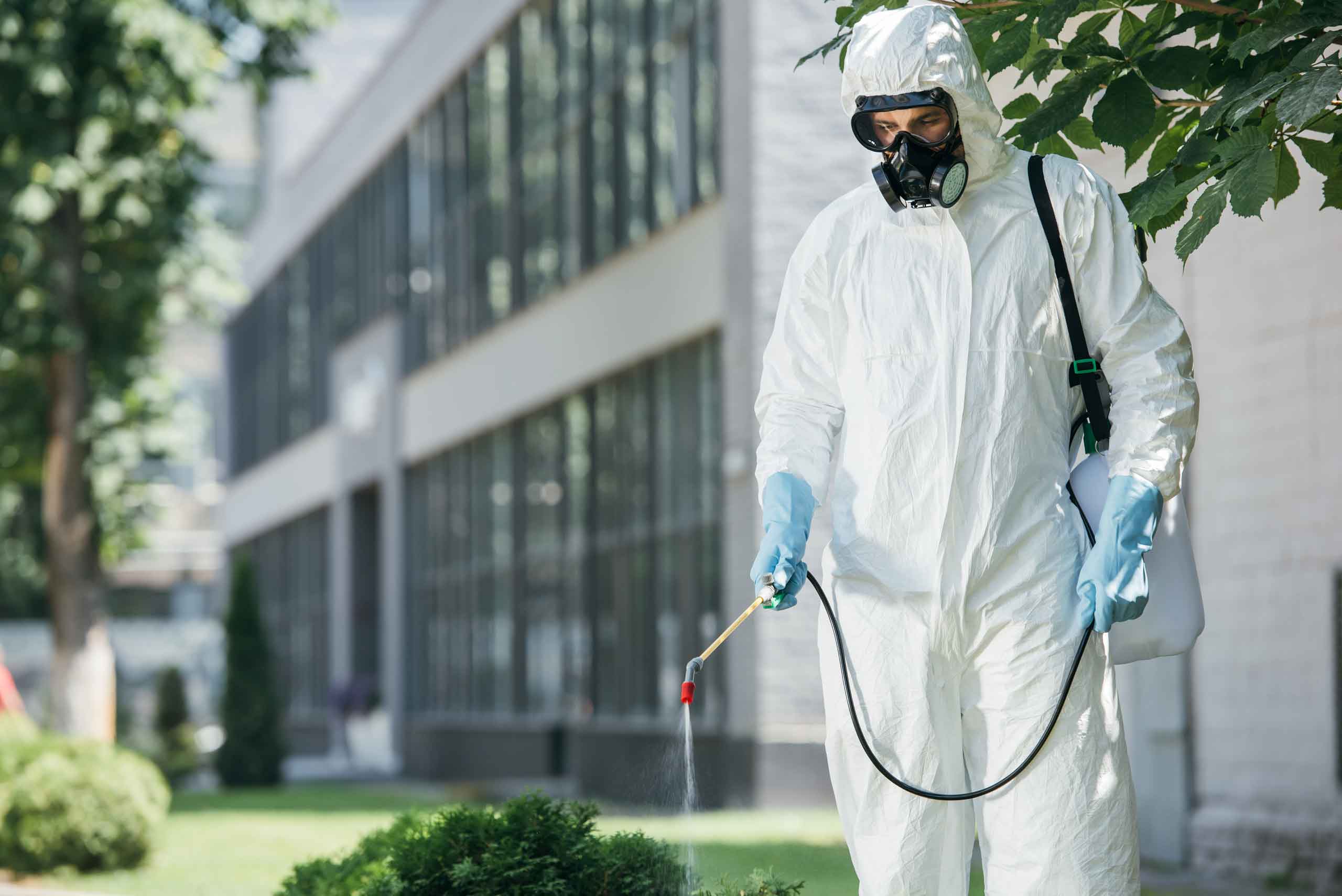
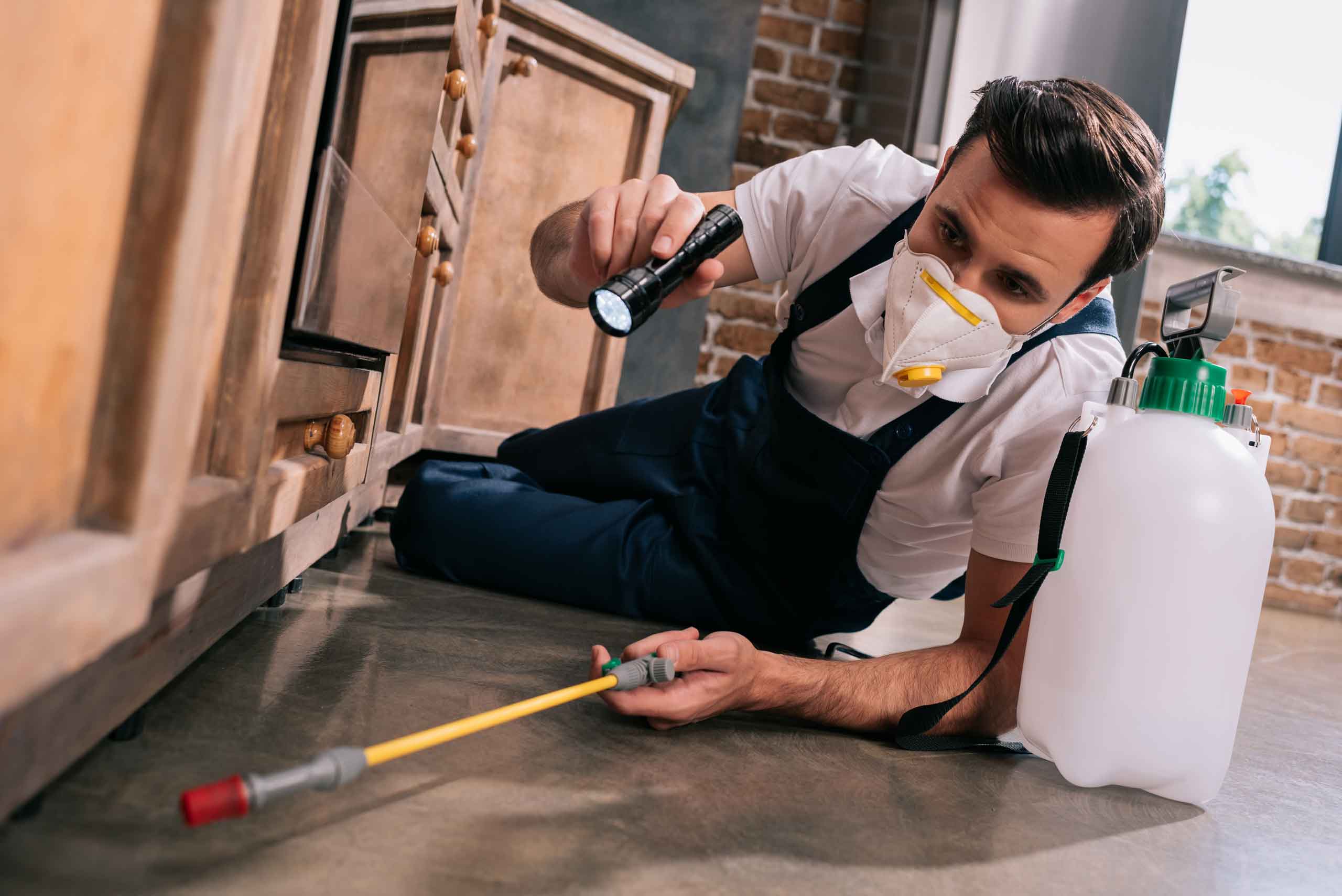
Comprehensive termite inspections using advanced detection tools to identify hidden activity and structural risks.
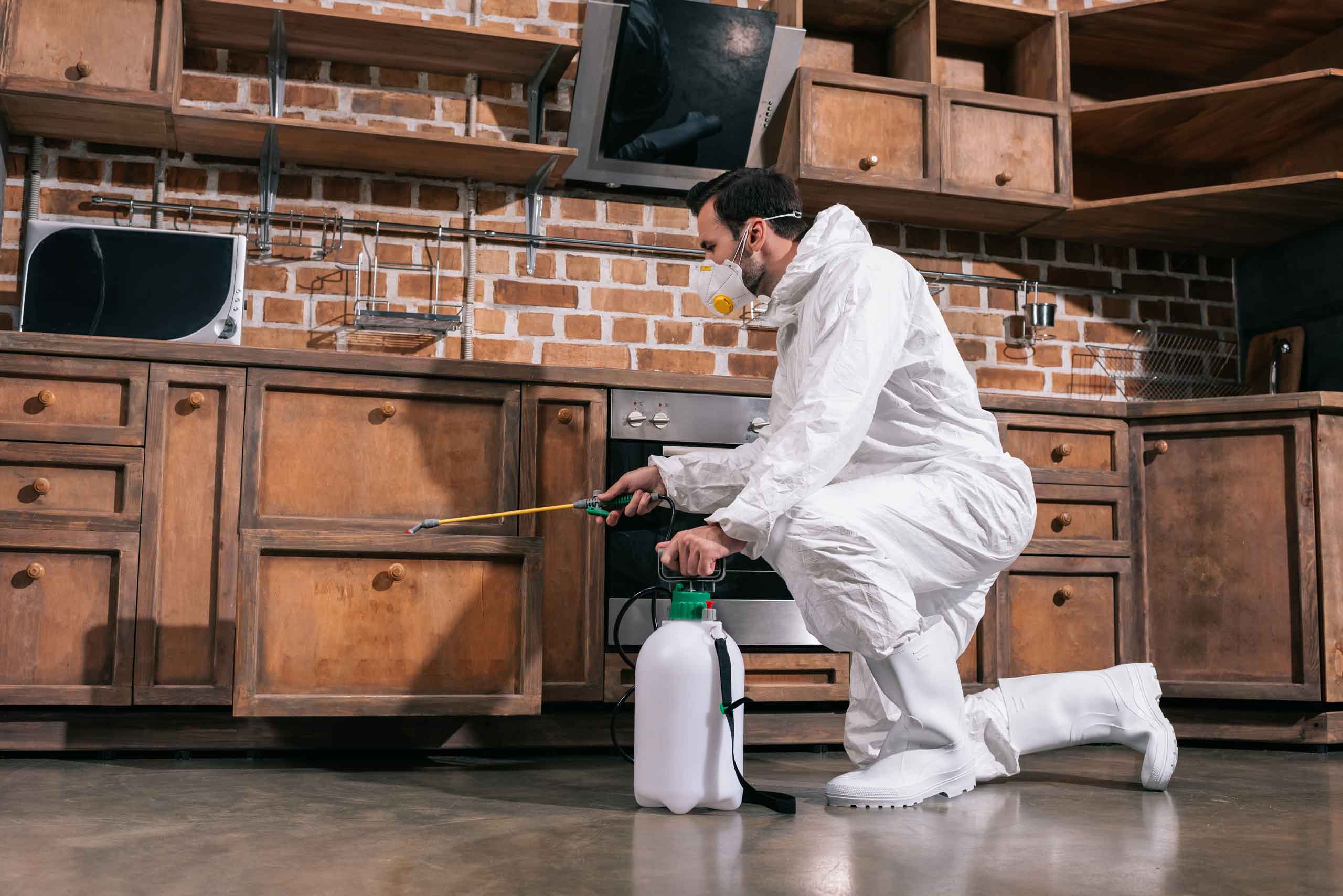
Targeted treatments designed to eliminate active termite colonies and protect your home from further damage.
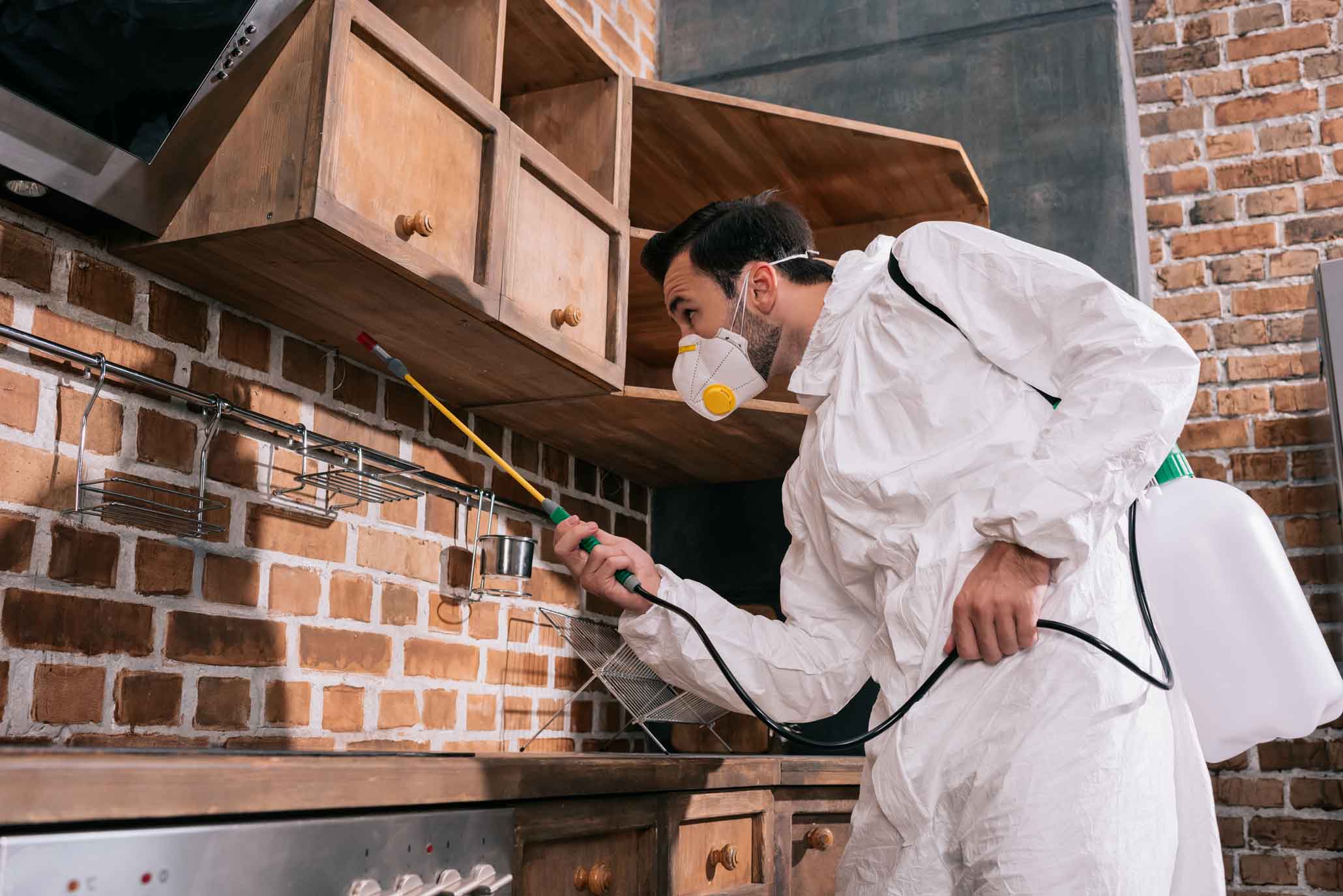
Long-lasting protection through soil treatments, baiting systems, and preventative barriers tailored to Golden Glades homes.
Full-structure fumigation for severe infestations, delivering complete removal of termites and wood-destroying pests.
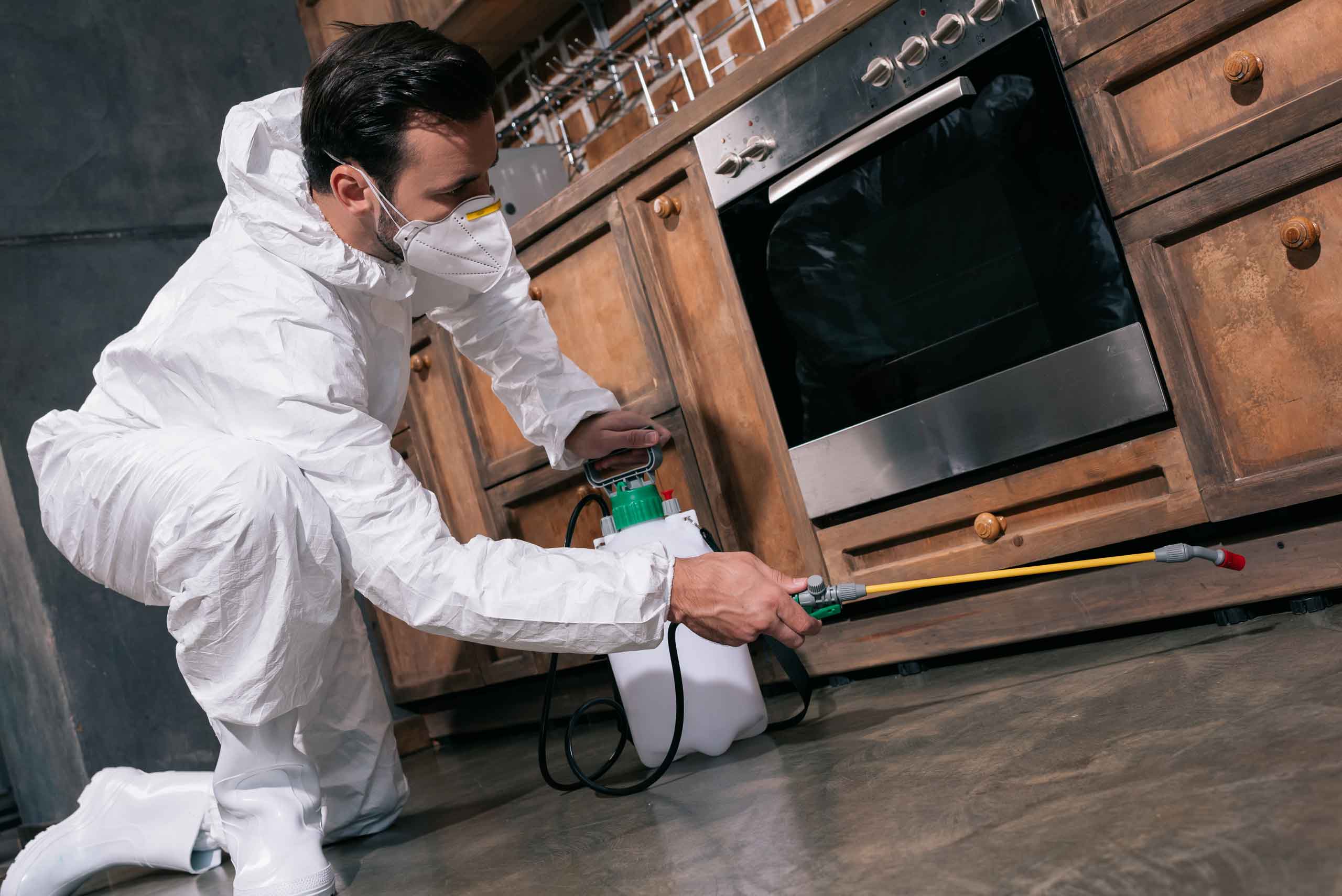
Fast and effective removal of ants, roaches, rodents, spiders, and other common Golden Glades pests—safe for families and pets.
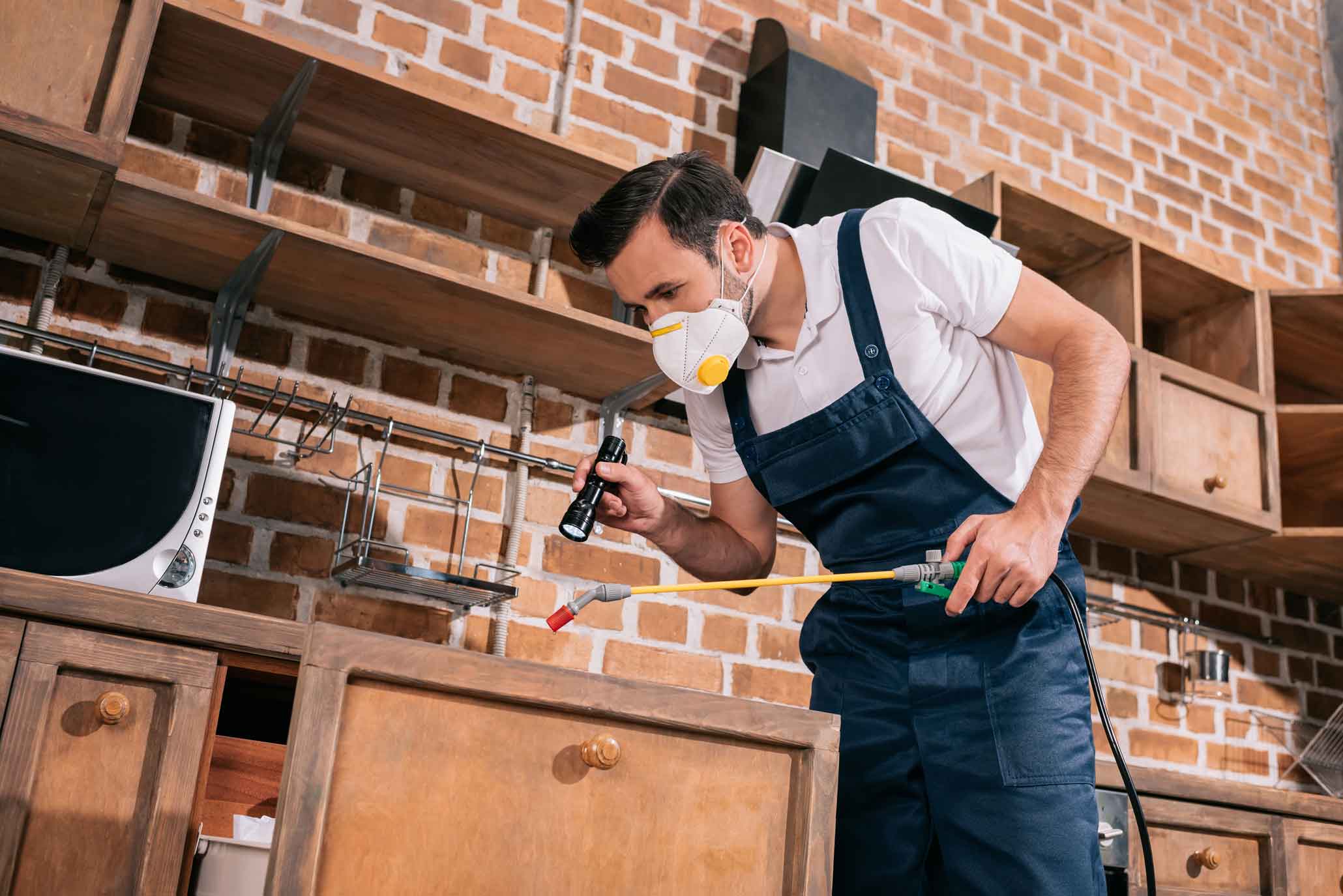
Specialized services to reduce moisture and protect wooden structures—helping prevent future termite activity.
Areas Served
City FL, Termite Exterminators
Testimonials
What Our Customers Say
Homeowners across Golden Glades trust us to protect their properties from costly termite damage. Here’s what some of our clients have to say about their experience with our team.

“Their inspection was incredibly thorough, and the technician took time to answer all my questions. I felt informed and reassured throughout the entire process. Highly recommend!”

We had a serious termite problem in our warehouse, and this pest control team handled it quickly and professionally. Their technicians were friendly, explained every step clearly

“We discovered termites in our attic and panicked. Miami Termite Defense came out the same day, explained everything clearly, and treated the problem quickly. Our home has been termite-free ever since.”

We had a serious termite problem in our warehouse, and this pest control team handled it quickly and professionally. Their technicians were friendly, explained every step clearly

“We signed up for their annual protection plan, and it’s the best decision we made. The team is always on time, professional, and great at keeping our home safe from termites.”

We had a serious termite problem in our warehouse, and this pest control team handled it quickly and professionally. Their technicians were friendly, explained every step clearly

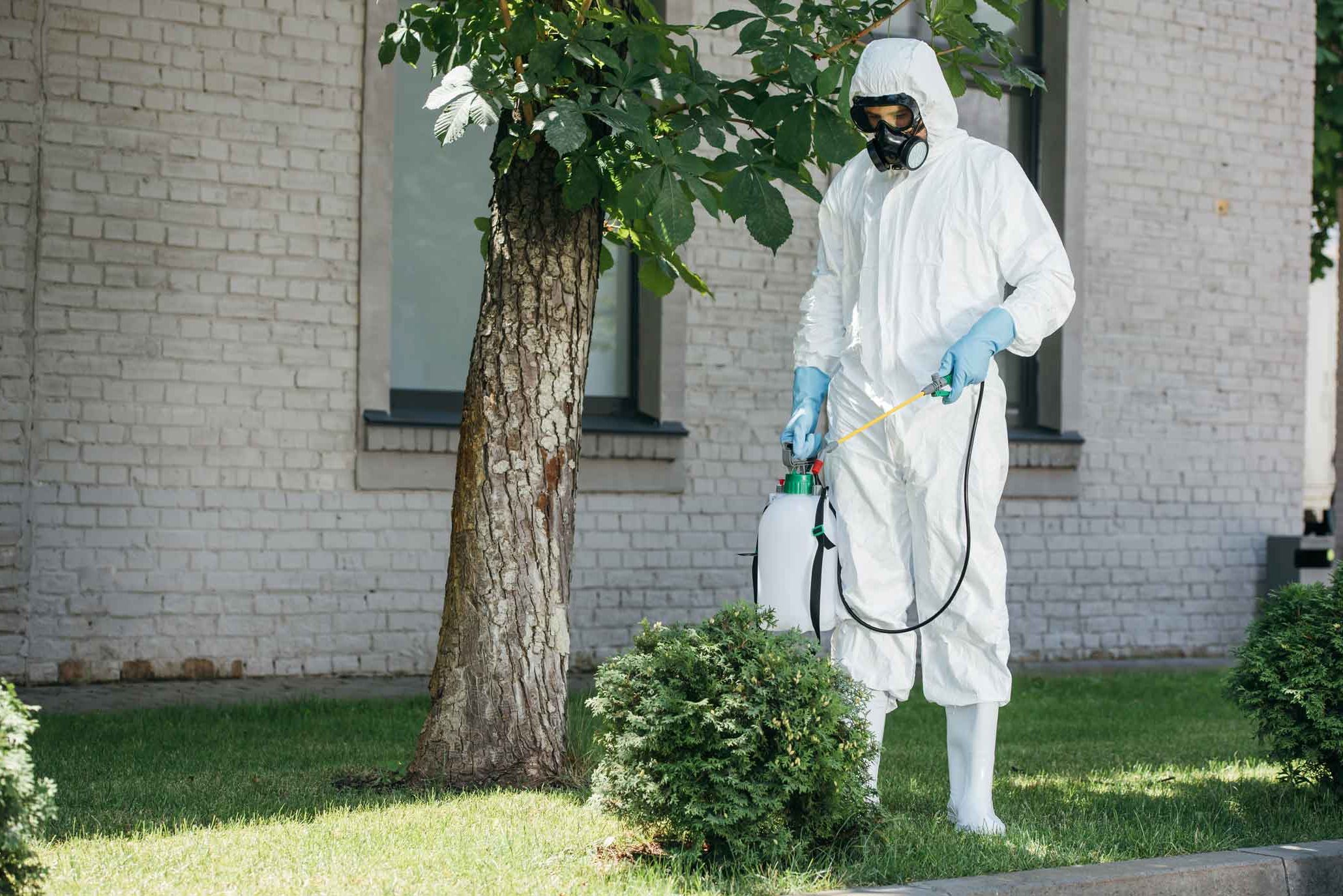
Why Choose Us
Trusted termite specialists protecting Golden Glades homes
Company Value
Where Trusted Expertise Meets Modern Termite Protection
To provide Golden Glades homeowners with the most reliable, high-quality termite protection available—ensuring safer, healthier homes for generations to come.
Our mission is to detect, eliminate, and prevent termite damage using modern treatment methods, expert technicians, and service built on integrity.
A simple promise backed by expertise, speed, and genuine care for our community.
Delivering trusted termite protection with care and integrity
- Trusted Experts
- Customer Focused
- Quality Driven
- Eco-Safe Products
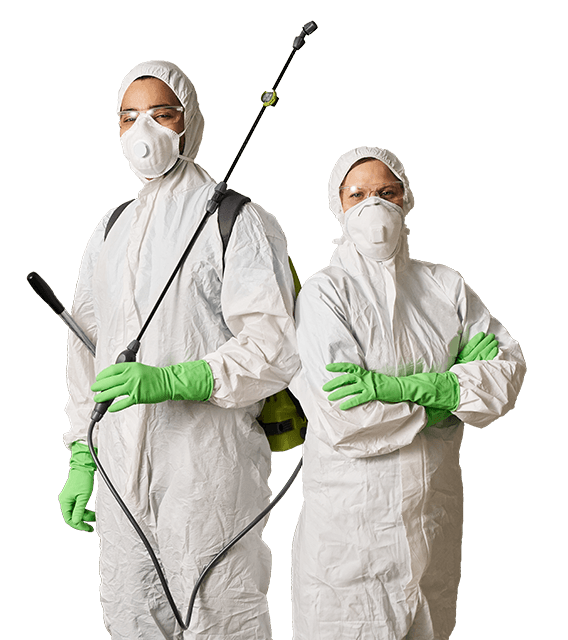
Years Experience
Your reliable partner in termite-free living
We provide honest inspections, transparent pricing, and service built around your peace of mind.
We work closely with homeowners to build custom protection plans that fit your property and long-term needs.
Effective Termite Control Golden Glades FL: Methods and Techniques for Eradication
Termites are destructive pests that pose significant threats to residential, commercial, and agricultural properties. To combat these resilient insects, pest control companies employ a range of methods tailored to the species of termite and the severity of the infestation. Below is an overview of the most effective techniques used by professionals for termite eradication.
Professional Inspection and Assessment by Exterminator Golden Glades FL
- The type of termite species:Subterranean, drywood, or dampwood termites.
- Infestation size:The degree of structural damage or colony activity.
- Entry points:Cracks in foundations, wood-to-ground contact areas, or gaps in walls.
- Moisture levels:High moisture areas that attract termites are identified as potential hot spots.
A customized treatment plan is then developed based on these findings.
Effective Chemical Soil Treatments for Extermination Golden Glades FL
One of the primary methods used against subterranean termites is chemical soil treatment.
Key features: – Preventative measure:Protects structures from future infestations.Common chemicals used:Fipronil and imidacloprid.Longevity:These treatments can remain effective for several years when properly applied.
Soil treatments are often recommended during new construction projects to safeguard buildings from future termite invasions.
Effective Solutions from a Bed Bug Exterminator in Golden Glades FL
Advantages: – Low impact on non-target organisms. – Eliminates entire colonies instead of just individual termites.
Disadvantages: – May take weeks or months for full effectiveness depending on infestation size.
Effective Rodent Control Golden Glades FL Solutions
For drywood termites living inside wood structures, localized treatments are common.
- Surface sprays and foamscontaining borates or other insecticides that penetrate deep into wood grains.
- Injected treatments, where termiticide is drilled directly into affected wood pieces to target hidden colonies.
- Preventative wood coatings that deter future infestations by making treated surfaces unappealing to termites.
Wood treatments work best for isolated infestations within furniture, beams, or decorative wood elements.
Fumigation
In cases where infestations have spread extensively through a structure, fumigation becomes necessary. This involves sealing off the building under a tent and releasing a gas fumigant (such as sulfuryl fluoride). The gas permeates all areas of the structure, killing both adult termites and their eggs over several days.
Key considerations: – Requires temporary relocation. – Highly effective against drywood termites but not typically used for subterranean species since they reside underground.
Physical Barriers
During construction or renovation projects, physical barriers can be installed to prevent future infestations.
| Barrier Material | Purpose |
| Stainless steel mesh | Blocks entry points for subterranean termites |
| Sand barriers | Creates an environment difficult for tunneling |
| Plastic sheeting treated with termiticides | Acts as both physical and chemical deterrents |
Physical barriers are often paired with chemical treatments for long-term protection.
Integrated Pest Management (IPM) Approach
Many pest control companies now adopt Integrated Pest Management practices when treating termite infestations.
- Monitoring activity through regular inspections.
- Addressing structural vulnerabilities (e. g. , fixing leaks).
- Using targeted chemical applications sparingly alongside eco-friendly alternatives like baits or natural repellents.
Effective termite management requires expertise matched by proven methodologies such as those outlined above—ranging from targeted soil injections to comprehensive fumigation efforts—and relies heavily upon early detection combined with ongoing prevention measures tailored uniquely per site needs.
Key Differences and Challenges of Subterranean, Drywood, and Dampwood Termites in Golden Glades FL
Termites are a significant concern for homeowners and businesses as they can cause extensive structural damage. Among the numerous species of termites, subterranean, drywood, and dampwood termites are the most common types that infest properties. Understanding their differences is critical to identifying the appropriate treatment methods and mitigating potential risks.
Subterranean Termites
Subterranean termites are among the most destructive termite species in the world. They build colonies underground and rely on moisture to survive. These termites access food sources by constructing mud tubes that connect their nest to above-ground structures.
Key Features of Subterranean Termites:
– Habitat:Live in damp soil or wood with high moisture content.
– Appearance:Creamy-colored worker termites; soldiers have larger heads with mandibles for defense.Damage Pattern:Consume soft wood along the grain, often leaving behind a honeycomb-like interior.
Challenges in Control:
– Their underground nesting habits make them difficult to detect.
– They thrive in moist environments, so eliminating sources of water is crucial for management.
Drywood Termites
Drywood termites differ significantly from subterranean termites as they do not require contact with soil or significant moisture to survive. They infest dry wood, including structural timber, furniture, and other cellulose-rich materials.
Key Features of Drywood Termites:
– Habitat:Found in dry wood areas like attics or wooden furniture.
– Appearance:Light brown to dark tan color; smaller compared to subterranean termites.
– Damage Pattern:Eat across both hard and soft wood grains, leaving behind smooth-edged galleries filled with fecal pellets.
Challenges in Control:
– Infestations may go unnoticed until significant damage occurs due to their concealed nesting habits. – Treatments often require localized or structural fumigation methods.
Dampwood Termites
Dampwood termites are less common than the other two types but can still cause substantial damage under specific conditions. As their name suggests, these termites prefer wet or decaying wood, making them more prevalent in humid climates or areas with poor drainage.
Key Features of Dampwood Termites:
– Habitat:Found in logs, stumps, or wet wooden structures exposed to water.Appearance:Larger bodies compared to other termite species; dark brown color.Damage Pattern:Consume moist wood extensively without leaving mud tubes behind.
Challenges in Control:
– Ensuring proper drainage around structures is essential for prevention. – Treating dampwood infestations often involves addressing moisture issues alongside pest elimination.
| Feature | Subterranean Termites | Drywood Termites | Dampwood Termites |
| Habitat | Soil with high moisture | Dry wooden structures | Wet/decaying wood |
| Nesting Behavior | Underground colonies | Inside wooden items | Within moist environments |
| Primary Challenge | Difficult detection | Concealed infestations | Moisture management |
Why Differentiating Between Species Matters
Identifying whether you’re dealing with subterranean, drywood, or dampwood termites is vital since each type requires distinct treatment approaches. For instance: 1. Subterranean termite control often involves soil treatments using termiticides. 2. Drywood termite infestations might need fumigation techniques. 3. Dampwood termite issues require addressing water leaks before extermination efforts begin.
Key Differences and Challenges of Termites: Pest Control Golden Glades FL Solutions
Termites are a diverse group of insects classified into three primary types based on their habitat and behavior: subterranean, drywood, and dampwood termites. Each type presents unique challenges in terms of detection, prevention, and eradication. Understanding the key differences between these species can significantly improve termite management strategies.
Subterranean Termites
This species is the most common and destructive type of termite found worldwide. They build extensive colonies underground and construct mud tubes to travel to food sources like wood structures.
Key Characteristics:
– Thrive in moist environments. – Require contact with soil for survival. – Build mud tubes for shelter and moisture retention.
Challenges: 1. Their underground nests make them difficult to locate. 2. Continuous access to moisture enables rapid colony growth. 3. Damage often goes unnoticed until it becomes extensive.
Prevention Tips:
– Use physical barriers or termiticide-treated soil during building construction.
Drywood Termites
Unlike subterranean termites, drywood termites do not require soil contact or high levels of moisture to survive. They infest dry wood materials such as furniture, wooden beams, and flooring.
Key Characteristics: – Build colonies directly within wooden structures. – Do not rely on soil moisture for survival. – Produce small fecal pellets resembling sawdust (a common sign of infestation).
Challenges: 1. Their infestations are localized within specific pieces of wood, making detection harder until visible damage occurs. 2. Lack of external signs like mud tubes delays early identification.
Prevention Tips:
– Seal cracks in wooden surfaces to prevent entry points.
– Use treated or naturally resistant woods during construction projects.
Dampwood Termites
Dampwood termites prefer decaying or water-damaged wood with high moisture content. They are less commonly encountered but can thrive in areas with persistent water issues.
Key Characteristics:
– Attracted to damp environments caused by plumbing leaks or poor ventilation. – Larger in size compared to subterranean and drywood termites. – Rarely form large colonies but cause damage over time due to their feeding behavior.
Challenges: 1. Their preference for decayed wood means they are often associated with pre-existing structural issues like rot. 2. Effective treatment requires resolving underlying moisture problems first.
Prevention Tips:
| Prevention Strategy | Description | |—————————|————————————————| | Fix plumbing leaks | Regularly inspect pipes and faucets for leaks | | Improve ventilation | Ensure good airflow in crawl spaces | | Replace damaged wood | Remove any rotting or wet timber |
Comparing Termite Types
| Feature | Subterranean | Drywood | Dampwood |
| Habitat | Soil-based | Dry wooden structures | Decayed/moist wood |
| Moisture Dependency | High | Low | High |
| Common Signs | Mud tubes | Fecal pellets | Wet/rotting wood |
| Typical Location | Foundations/crawl spaces | Furniture/beams | Bathrooms/basements |
Comprehensive Pest Control Services Golden Glades FL: Fumigation and Termite Treatment Explained
When termite infestations reach severe levels or involve hard-to-treat species like drywood termites, fumigation often becomes the most effective solution. This advanced termite treatment method is designed to eliminate entire colonies, including those hidden deep within structural wood. Below, we will explore the fumigation process, its benefits, and other advanced termite treatment options.
What is Fumigation?
Fumigation involves sealing an infested structure and introducing a gaseous pesticide (fumigant) that penetrates wood and other materials to kill termites at all life stages. It is particularly effective for drywood termites that build colonies inside wooden structures without requiring soil contact.
Key Steps in the Fumigation Process:
- The structure is vacated by humans, pets, and plants.
- Food items are either removed or sealed in special bags to prevent contamination.
- The building is enclosed using tarps or plastic sheeting to create an airtight space that retains the fumigant.
- A licensed professional releases a gas (commonly sulfuryl fluoride) into the sealed structure to permeate all areas where termites may reside.
- After a specific exposure period (typically 24-72 hours), the structure is ventilated thoroughly to ensure no harmful residues remain.
Benefits of Fumigation
- Comprehensive Eradication:It reaches termites in inaccessible spaces such as walls or roofs where localized treatments may fail.
- Versatility:Effective against multiple species of drywood termites and other invasive pests like beetles.
- Efficiency:A single treatment can eliminate infestations entirely when performed correctly.
However, it’s important to note that fumigation offers no residual protection against future infestations, so additional preventative measures are recommended after treatment.
Other Advanced Termite Treatment Options
- Involves raising indoor temperatures above 120°F (49°C) to kill termites without chemicals.
- Often used for localized infestations within furniture or specific rooms.
- High-frequency electrical currents are directed into infested wood to exterminate termites instantly.
- Best suited for small-scale infestations due to its limited penetration depth.
- Microwaves generate heat within targeted areas of wood, killing termites inside.
- Chemical-free and ideal for environmentally conscious homeowners.
- Expanding foam insecticides are injected into voids and cracks where termites reside.
- Excellent for spot treatments in challenging-to-reach areas.
| Treatment Method | Advantages | Limitations |
| Fumigation | Kills all life stages; comprehensive | Requires property evacuation; no residual effect |
| Heat Treatment | Non-toxic; eco-friendly | May not be effective for large infestations |
| Electro-Gun | Precise targeting | Limited penetration depth |
| Foam Applications | Penetrates hidden spaces | Best for localized termite issues |
By selecting appropriate methods based on infestation severity and type of termite involved, homeowners can ensure thorough eradication while minimizing risks associated with improper applications. Working closely with licensed pest control professionals is crucial for achieving long-term results effectively and safely.
Frequently Asked Questions About Pest Control Companies Golden Glades FL: Costs, Methods, and Effectiveness
Understanding the costs, methods utilized by professionals, and how effective these treatments are can help you make informed decisions. Below is a comprehensive breakdown addressing some of the most frequently asked questions.
What Are the Common Methods Used in Termite Treatment?
Termite treatments vary depending on the type of termite infestation and its severity.
- Liquid Termiticides: These are chemical barriers applied to soil around your home to block termites from entering or eliminate existing colonies.
- Baiting Systems: Baits containing slow-acting insecticides are placed in strategic areas to attract termites. The bait is carried back to their colony, effectively killing them over time.
- Fumigation: A tenting method often used for severe drywood termite infestations where gaseous chemicals penetrate every part of a structure.
- Wood Treatments: Surface applications or injections into wood using borate solutions protect wooden structures from future infestations.
How Much Does Termite Treatment Cost?
Costs for termite treatment can vary widely depending on factors such as the size of your home, the level of infestation, and regional pricing differences.
| Treatment Type | Average Cost (USD) | Notes |
| Liquid Termiticides | $3 – $16 per linear foot | Most effective for subterranean termites. |
| Baiting Systems | $1,000 – $2,500 total | Often requires ongoing monitoring fees. |
| Fumigation | $1 – $4 per square foot | Primarily used for drywood termites. |
| Wood Treatments | $1,000 – $2,500 total | May include prevention as well as elimination. |
It’s essential to get quotes from licensed pest control professionals in your area for accurate pricing tailored to your situation.
Are DIY Treatments Effective Against Termites?
While there are DIY products available that claim to combat termites (like sprays or bait stations), they often lack the long-term effectiveness provided by professional treatments.
- Difficulty in locating all infested areas.
- Insufficient tools or chemicals compared to professionals.
- Lack of knowledge about termite behavior and colony dynamics.
For extensive infestations or when dealing with aggressive species like subterranean termites, it’s recommended to consult experts.
How Long Does It Take for These Methods to Work?
- Liquid Barriersstart working almost immediately but may take weeks to show visible results as colonies collapse.
- Baitsrequire several weeks since they rely on termites spreading poison within their populations.
- Fumigationeliminates all drywood termites inside the structure within 2–3 days during application.
Proper follow-up inspections ensure that no residual activity remains after treatment.
Can Treating for Termites Prevent Future Infestations?
- Regularly monitored bait systems can detect new activity before it becomes severe.
- Specialized wood treatments can protect vulnerable wooden components from renewed attacks.
Maintaining an annual inspection schedule is key to preserving these protective measures over time.
By considering these factors—costs, effectiveness, and different techniques—you can prepare yourself better when addressing a termite problem efficiently and professionally.