
WELCOME TO PinecrestTERMITE DEFENSE
Termite Exterminators in Pinecrest, FL
Termites thrive in South Florida’s heat and humidity. Our local specialists use advanced detection and treatment to stop active infestations and protect your home year-round.
Feedback
60k

Our service
Effective termite protection for a damage-free home.
Expert termite solutions for long-lasting home protection.
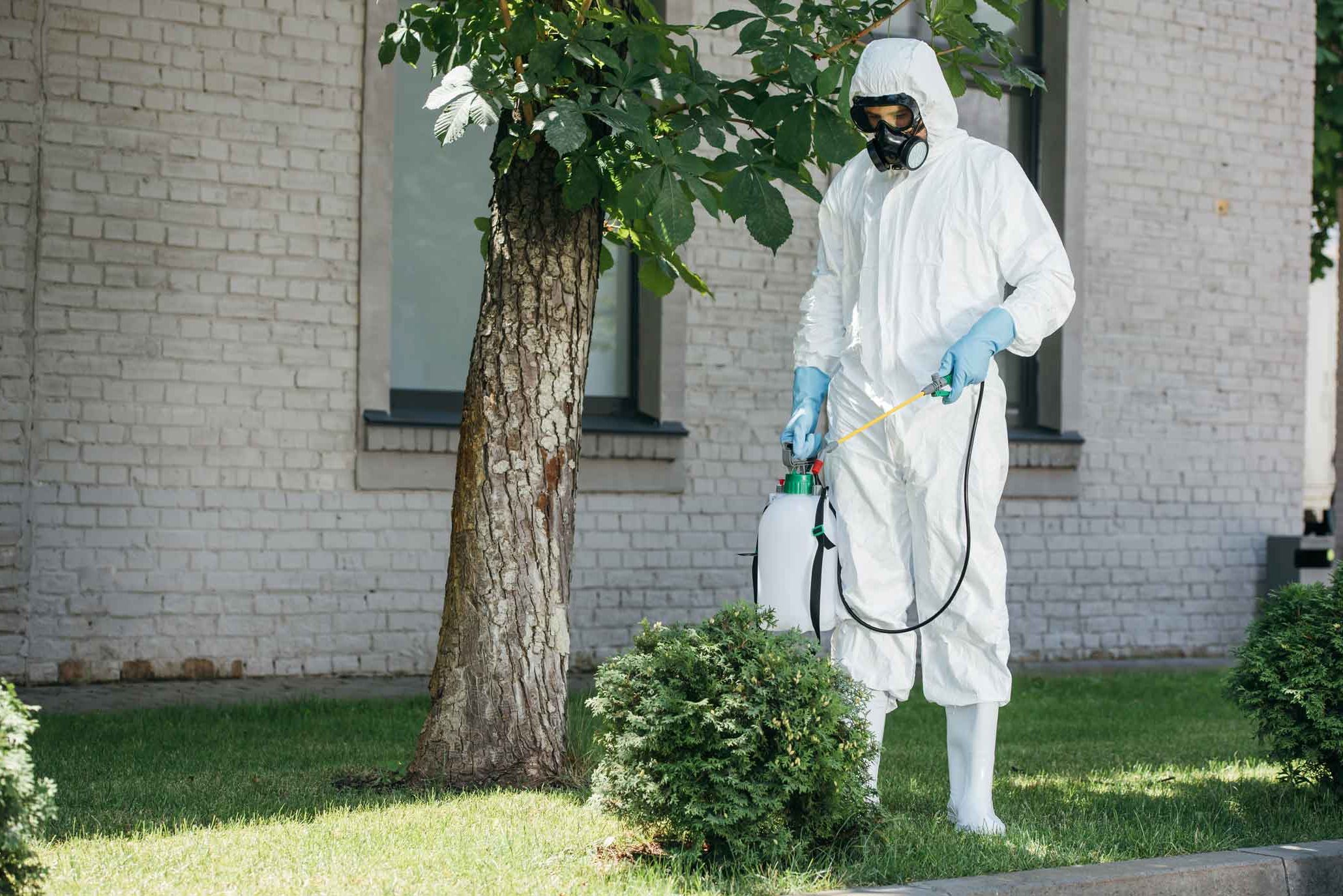
Termites are a serious threat in Pinecrest’s humid climate. Our certified specialists use industry-leading technology to detect, eliminate, and prevent termite activity—keeping your home protected year-round.
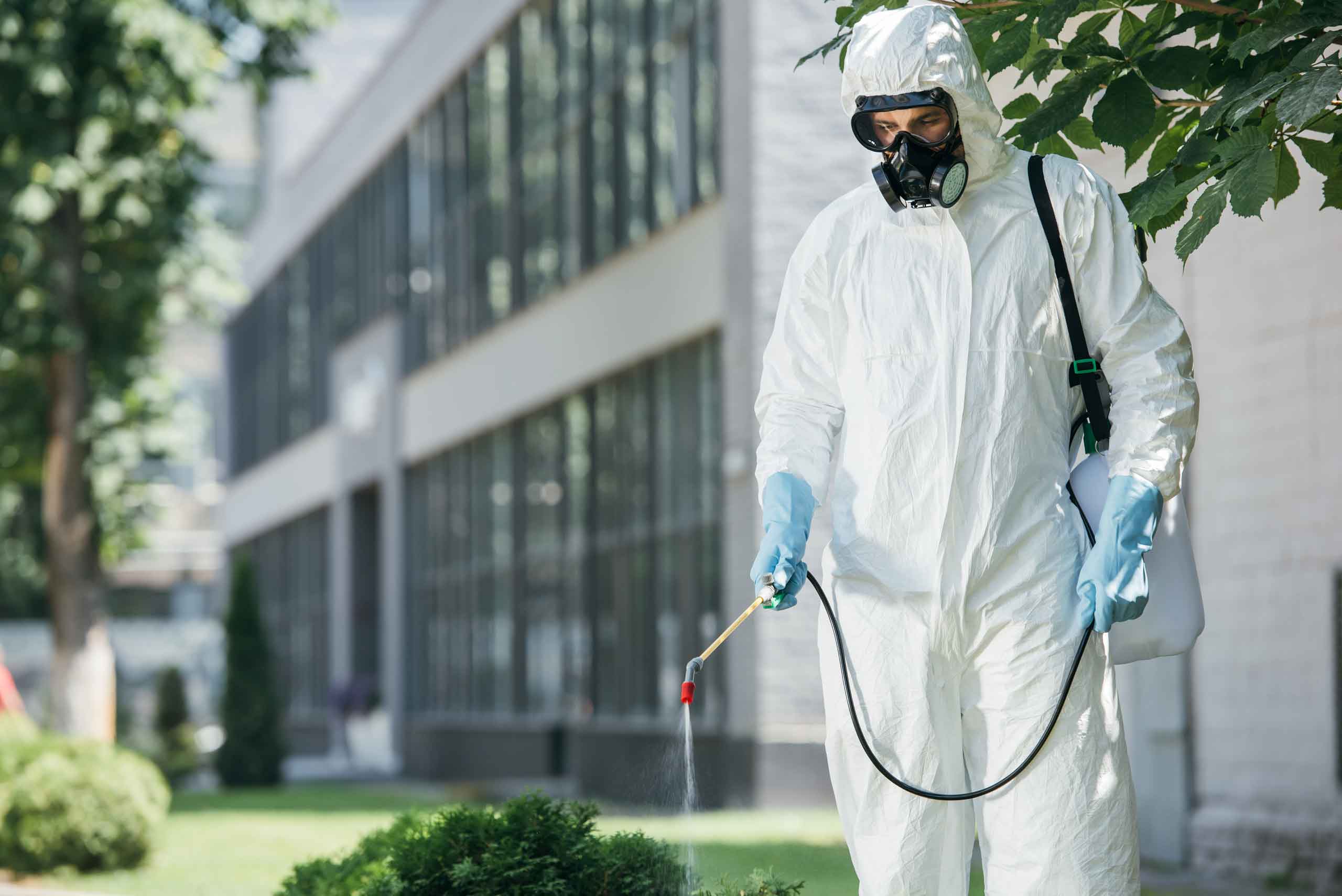

Years experience
Advanced termite treatment tailored to Pinecrest homes.
Family-safe and pet-safe solutions that protect without harsh chemicals.
Local experts with deep knowledge of Florida’s toughest termite species.
What we offer
Your trusted partner for complete termite & pest protection

Comprehensive termite inspections using advanced detection tools to identify hidden activity and structural risks.
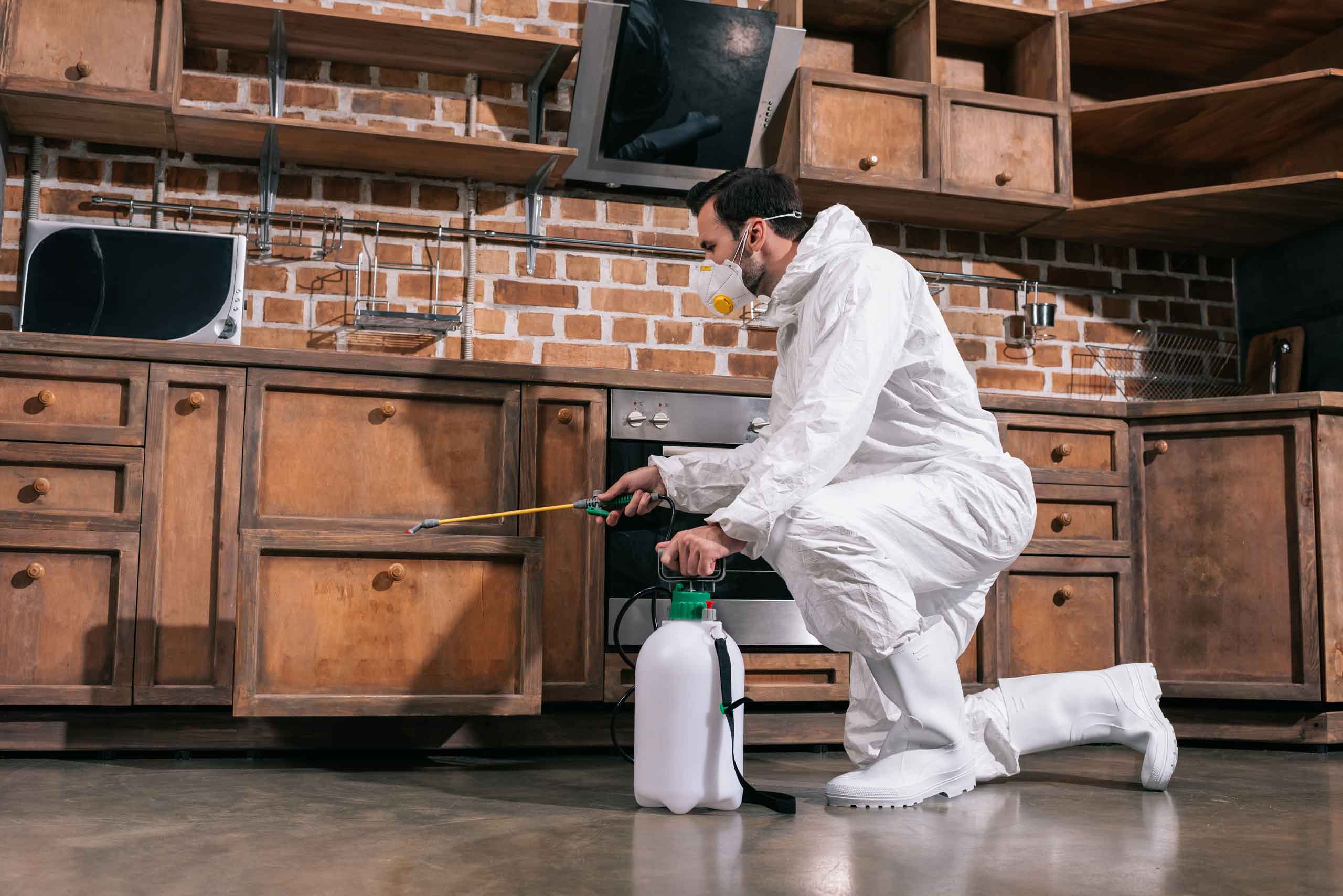
Targeted treatments designed to eliminate active termite colonies and protect your home from further damage.
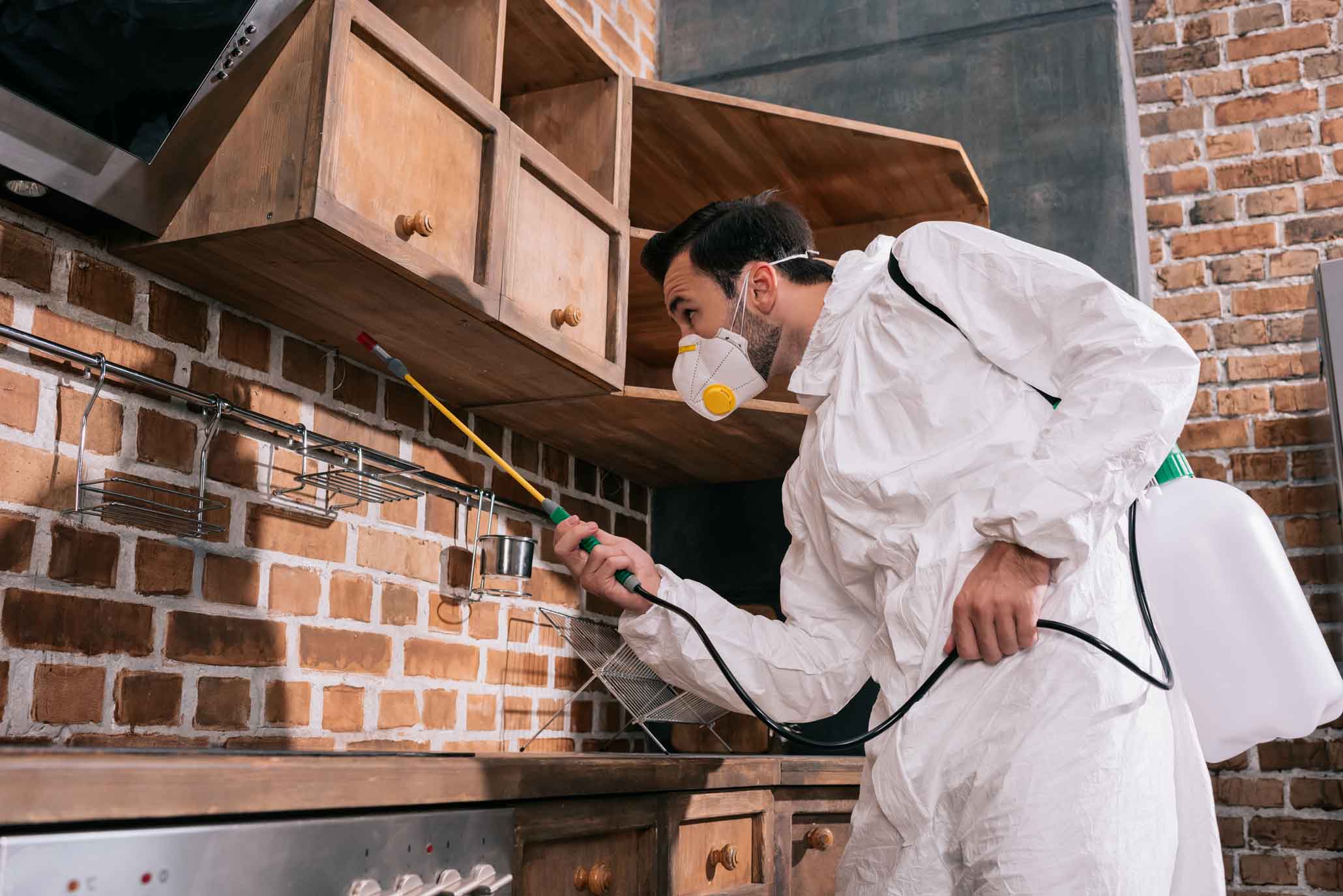
Long-lasting protection through soil treatments, baiting systems, and preventative barriers tailored to Pinecrest homes.

Full-structure fumigation for severe infestations, delivering complete removal of termites and wood-destroying pests.
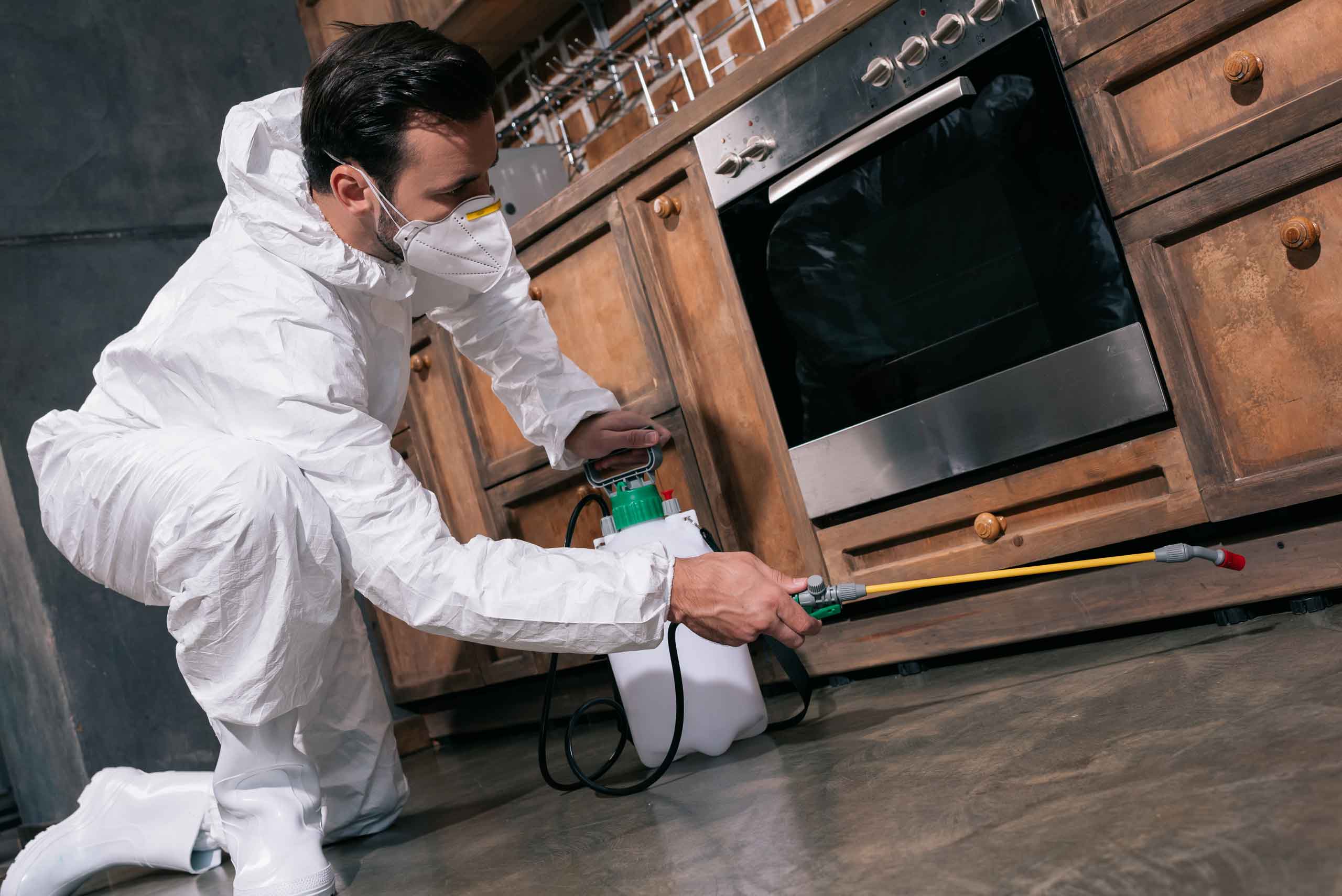
Fast and effective removal of ants, roaches, rodents, spiders, and other common Pinecrest pests—safe for families and pets.
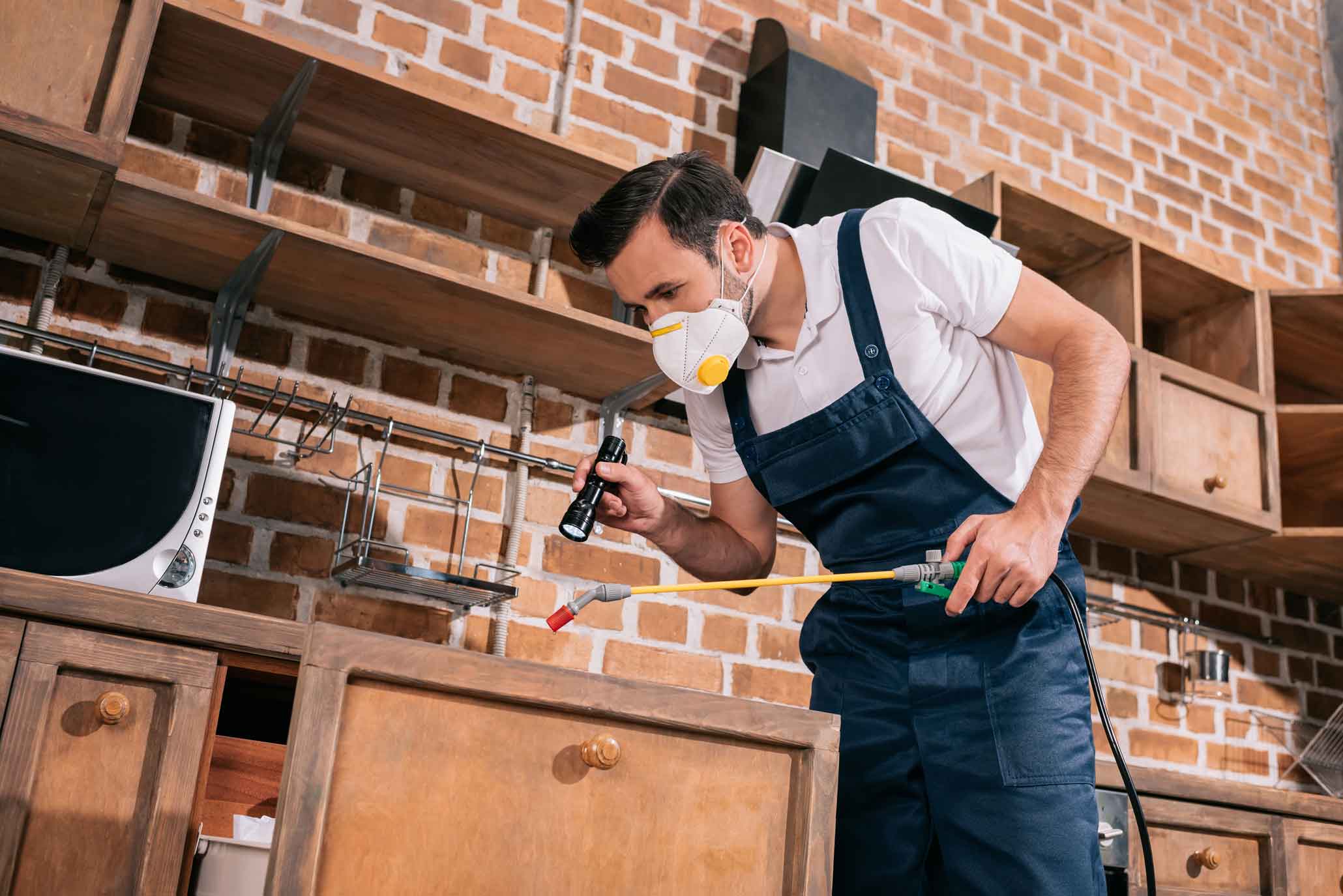
Specialized services to reduce moisture and protect wooden structures—helping prevent future termite activity.
Areas Served
City FL, Termite Exterminators
Testimonials
What Our Customers Say
Homeowners across Pinecrest trust us to protect their properties from costly termite damage. Here’s what some of our clients have to say about their experience with our team.

“Their inspection was incredibly thorough, and the technician took time to answer all my questions. I felt informed and reassured throughout the entire process. Highly recommend!”

We had a serious termite problem in our warehouse, and this pest control team handled it quickly and professionally. Their technicians were friendly, explained every step clearly

“We discovered termites in our attic and panicked. Miami Termite Defense came out the same day, explained everything clearly, and treated the problem quickly. Our home has been termite-free ever since.”

We had a serious termite problem in our warehouse, and this pest control team handled it quickly and professionally. Their technicians were friendly, explained every step clearly

“We signed up for their annual protection plan, and it’s the best decision we made. The team is always on time, professional, and great at keeping our home safe from termites.”

We had a serious termite problem in our warehouse, and this pest control team handled it quickly and professionally. Their technicians were friendly, explained every step clearly

Why Choose Us
Trusted termite specialists protecting Pinecrest homes
Company Value
Where Trusted Expertise Meets Modern Termite Protection
To provide Pinecrest homeowners with the most reliable, high-quality termite protection available—ensuring safer, healthier homes for generations to come.
Our mission is to detect, eliminate, and prevent termite damage using modern treatment methods, expert technicians, and service built on integrity.
A simple promise backed by expertise, speed, and genuine care for our community.
Delivering trusted termite protection with care and integrity
- Trusted Experts
- Customer Focused
- Quality Driven
- Eco-Safe Products

Years Experience
Your reliable partner in termite-free living
We provide honest inspections, transparent pricing, and service built around your peace of mind.
We work closely with homeowners to build custom protection plans that fit your property and long-term needs.
Effective Tips for Termite Control Pinecrest FL to Protect Your Home
Termites are one of the most destructive pests, capable of causing extensive damage to homes by feeding on wood and other cellulose-based materials. Preventing termites from entering your home is essential to protect your property and maintain its structural integrity. Below, we discuss effective strategies to keep these pests at bay.
Expert Tips from an Exterminator Pinecrest FL: Maintain Proper Moisture Control
Moisture attracts termites, making it crucial to address any water-related issues in and around your home. Here are some ways to reduce moisture:
– Repair leaky faucets, pipes, and air conditioning units immediately.
– Ensure proper drainage around the foundation by sloping soil away from the home’s base.
– Use dehumidifiers in areas prone to humidity, such as basements and crawl spaces.
Seal Entry Points to Ensure Effective Extermination Pinecrest FL
Termites often gain access through tiny gaps or cracks in walls, foundations, or utility entry points. To prevent this:
– Seal all cracks in exterior walls with caulk or sealant.
– Install weather stripping around windows and doors for a tighter seal.
– Use metal mesh or screens over vents to block entry points in attics or crawl spaces.
Effective Tips from a Bed Bug Exterminator Pinecrest FL: Eliminate Wood-to-Ground Contact
Termites easily access homes through wood that directly contacts the ground surface. To minimize this risk:
– Keep wooden structures like decks or fences elevated at least six inches above ground level.
– Avoid stacking firewood close to your home; store it at least 20 feet away on a raised platform.
| Wood-to-Ground Contact Recommendations | Action |
| Deck posts | Use concrete footing or metal bases |
| Landscaping mulch | Limit depth and keep 6 inches from foundation |
| Firewood | Store raised and away from home |
Effective Rodent Control in Pinecrest FL: Inspect Wooden Structures Regularly
Routine inspections for termite activity can help detect problems before they escalate: – Examine wooden beams, window sills, and floorboards for hollow sounds when tapped. – Check for mud tubes along foundations; these are clear indicators of subterranean termite activity. – Look out for discarded wings near windowsills or doors — a sign of swarmers attempting to enter your home.
Use Termite Barriers During Construction
For new homes or renovations, investing in termite-resistant materials can provide long-term protection: – Treated timber is infused with chemicals that deter termites. – Metal shields installed during construction act as physical barriers preventing subterranean termites from reaching wooden structures.
Professional Inspections and Treatment Plans
Periodic inspections by pest control professionals ensure early detection of termite infestations: 1. Schedule annual inspections even if no visible signs of termites exist. 2. Work with licensed pest control companies to apply preventative treatments, such as liquid termiticides or baiting systems.
Taking proactive measures against termites will save you time, money, and stress associated with repairing damage caused by infestations.
Effective Ways to Safeguard Your Home from Termites in Pinecrest FL
Termites can cause extensive and costly damage to homes if not detected and managed. Prevention is key to safeguarding your property, and several practical measures can minimize the risk of infestation. Below are six effective strategies to protect your home from termites.
1. Conduct Regular Inspections
Routine inspections are vital for identifying the early signs of termites before they cause significant damage.
- Examine wooden structures, including doors, windows, and floors, for hollow sounds or blistered surfaces.
- Check your home’s foundation for mud tubes, which termites use as tunnels.
- Inspect basements, crawl spaces, and attics for moisture buildup or termite activity.
Scheduling a professional pest control inspection annually ensures thorough monitoring.
2. Minimize Wood-to-Ground Contact
- Elevate wooden structures like decks and fences at least 6 inches above soil level.
- Use concrete supports or metal barriers under wood posts.
- Avoid stacking firewood or lumber directly on the ground near your home.
Switching to non-wooden materials like composite decking is another effective solution.
3. Maintain Proper Drainage Around Your Home
- Clean gutters regularly to prevent water pooling near your foundation.
- Ensure downspouts direct water away from your home’s base.
- Grade the soil around your house so that water flows away instead of accumulating nearby.
Installing a French drain system may also help in areas prone to excessive rainfall.
4. Use Termite Barriers During Construction
| Termite Barrier Type | Description |
| Physical Barriers | Sand or stainless-steel mesh layers placed under slabs/foundations during construction. |
| Chemical Barriers | Soil treatments with termiticides applied beneath the building foundation. |
Consult with pest control experts when selecting barrier solutions tailored to your property.
5. Treat Wood with Termite-Resistant Chemicals
- Choose treated timber products for structural elements like framing and flooring.
- Apply surface treatments (e.g., borates) on exposed wood areas within attics or basements.
- Reapply these protective treatments periodically as advised by manufacturers or professionals.
Pressure-treated wood is ideal for outdoor fixtures such as fences and garden beds where exposure is high.
6. Keep Landscaping Away from Vulnerable Areas
Do’s: – Plant shrubs or trees at least several feet away from foundations. – Use mulch sparingly near house walls; opt for non-organic alternatives like gravel where possible.
Don’ts: – Avoid planting species with extensive root systems that could compromise termite barriers beneath foundations.
By maintaining proper distance between vegetation and structural elements, you’ll limit entry points for termites while discouraging their activity around your home.
Adopting these proactive methods not only reduces the likelihood of termite infestations but also helps preserve the integrity of your property over time. Implementing multiple strategies together creates a robust defense against these destructive pests while minimizing repair costs in the long term.
Effective Pest Control Pinecrest FL: Why Treated Timber is Key to Preventing Termites
Using treated timber is a crucial step in safeguarding your home or property against termite infestations. Termites are highly destructive pests, capable of causing extensive damage to wooden structures. By incorporating treated timber into your construction and maintenance practices, you can significantly reduce the risk of termite attacks. Below, we explore why treated timber is an effective deterrent and how it works.
What Is Treated Timber?
Treated timber refers to wood that has undergone chemical treatment processes to enhance its resistance to pests, decay, and moisture. These chemical treatments penetrate deep into the fibers of the wood, making it less appealing or completely toxic to termites.
Key characteristics of treated timber include: – Protection against subterranean and drywood termites. – Increased durability and extended lifespan. – Resistance to fungal decay caused by damp conditions.
How Treated Timber Helps Prevent Termite Infestations
- Chemical Resistance
Chemicals used in the treatment process disrupt termite activity by either repelling them or killing them upon contact/ingestion. Commonly used chemicals include: - Borates: Non-toxic to humans but lethal to termites.
- Copper-based preservatives: Offer strong protection against wood decay and termites.
- Reduced Attractiveness
Unlike untreated wood, which is highly attractive as a food source, treated timber becomes undesirable for termites as they cannot digest or damage it effectively. - Creating Structural Barriers
When combined with other preventative measures (e.g., physical barriers like metal mesh), treated timber helps create an environment that is hostile for termite colonies.
Common Types of Treated Timber Preservatives
| Type of Preservative | Application Areas | Properties |
| Borate Treatments | Indoor furniture & framing | Safe for indoor use; kills termites |
| Copper Azole (CA) | Outdoor decks & fences | Protects against decay and insects |
| Alkaline Copper Quaternary (ACQ) | Playground equipment & landscaping | Highly durable; environmentally friendly |
| Creosote | Railroad ties & heavy-duty industrial settings | Strong protection for outdoor exposure |
Best Practices for Using Treated Timber
To maximize the effectiveness of treated timber against termites: – Choose the Right Treatment: Select appropriate treatments based on where the wood will be used (e.g., indoor vs outdoor). – Inspect Regularly: Even with treated wood, periodic inspections are necessary to ensure no signs of infestation. – Use in Combination with Other Measures: Employ additional defenses such as soil treatments, baiting systems, and proper drainage solutions around your home.
The Long-Term Cost Benefits
While treated timber may have a higher upfront cost compared to untreated options, it offers significant savings over time by reducing repair expenses caused by termite damage. Its improved durability also reduces replacement needs for wooden structures.
By investing in high-quality treated timber during construction or renovation projects, homeowners can achieve superior protection while maintaining peace of mind regarding termite risks.
Effective Pest Control Services Pinecrest FL: Protecting Your Home from Termite Risks
Termites are a persistent threat to homes, often causing extensive damage if left unchecked. While many homeowners focus on direct methods of preventing termite infestations, one often-overlooked consideration is the support of creepers and climbers on house structures. This practice can inadvertently make your home more vulnerable to termites. Here’s why you should avoid it and how you can better manage climbing plants around your property.
How Creepers and Climbers Attract Termites
- Moisture Retention: Plants often trap moisture against walls or other surfaces they cling to. Termites are drawn to damp environments, as they thrive in areas with sufficient moisture.
- Hidden Entry Points: The dense foliage of creepers can obscure cracks, crevices, or gaps in walls, making it harder to detect potential termite entry points.
- Organic Material Availability: Climbers contain organic material (like bark and leaves), which can serve as an initial food source for termites before they move onto wooden parts of your home.
- Direct Access: When these plants climb up walls, they create a natural bridge for termites to access higher points of the structure where wood components may be present.
Risks Associated with Wooden Structures
- Weakening Structural Integrity: As climbers grow heavier over time, they place mechanical strain on wooden supports. If weakened by moisture or termite activity beneath the surface, this could lead to faster deterioration.
- Increased Vulnerability: The wood becomes more susceptible when covered by creeping plants because it retains moisture and remains hidden from inspection.
Better Alternatives for Managing Plants Around Homes
- Install Trellises: Use freestanding trellises positioned away from your home’s exterior walls to support climbing plants.
- Maintain Distance: Keep at least 18 inches between any vegetation (including shrubs) and the structural foundation of your house.
- Regular Pruning: Trim overgrown foliage regularly to reduce excessive shade and minimize retained moisture.
- Inspect Frequently: Check both the plant base and surrounding structures for signs of pest activity or potential damage.
| Plant Management Tip | Recommended Practice |
| Grow climbing plants | Use trellises placed away from walls |
| Minimize moisture buildup | Regularly trim branches/leaves |
| Reduce direct contact | Avoid planting near wooden foundations |
Signs That Climbing Plants May Be Increasing Termite Risk
To ensure that creeping vegetation isn’t contributing negatively toward pest risks:
– Look for damp patches beneath foliage near walls. – Inspect nearby wooden structures for hollow sounds when tapped. – Watch out for mud tubes formed on exterior surfaces—an indication of termite movement.
By removing direct contact between house structures and climbing greenery while employing preventative measures like treated timber (where applicable), you can safeguard your home against a potential termite invasion efficiently.
Effective Strategies Used by Pest Control Companies Pinecrest FL to Prevent Termite Infestations
Preventing termite infestations requires a proactive approach, particularly in limiting their access to essential resources like food and water. By carefully managing these elements, you can reduce the likelihood of termites invading your home. Below are detailed methods to keep food and water sources scarce for termites.
1. Proper Storage of Wooden Materials
Termites thrive on cellulose-based materials, including wood. To minimize access to this food source:
– Store firewood, lumber, or wooden debris at least 20 feet away from your home’s foundation.
– Elevate stored wood off the ground by using metal or concrete platforms.
– Regularly inspect stored wood for signs of termite activity such as mud tubes or hollow sounds.
Additionally, avoid burying wood scraps, as they can attract subterranean termites.
2. Use Non-Wood Landscaping Materials
Landscaping decisions play a significant role in discouraging termites:
– Replace mulch around your home’s perimeter with non-organic materials like gravel or crushed stone.
– Avoid using untreated wooden edging for garden beds and opt for materials like concrete or metal instead.
Creating a barrier of inorganic material helps prevent direct contact between soil-dwelling termites and structural elements of your home.
3. Maintain Dry Conditions Around Your Home
Termites require moisture to survive, making water management critical:
– Fix leaking pipes, faucets, or irrigation systems promptly to eliminate potential water sources. – Ensure that gutters and downspouts are clear of debris to prevent water pooling near the foundation. – Slope soil away from your home’s foundation to ensure proper drainage. – Install dehumidifiers in crawl spaces and basements where damp conditions persist.
By addressing moisture issues effectively, you can make your home less hospitable to these pests.
4. Limit Cellulose-Based Debris Outdoors
Outdoor debris made from cellulose serves as an inviting food source:
– Remove tree stumps and deadwood from around your property. – Routinely rake up leaves and yard waste instead of allowing it to accumulate near structures. – Ensure compost piles are kept far from residential areas, ideally using covered bins designed to deter pests.
Maintaining a clean yard reduces the risk of termite colonies establishing themselves nearby.
5. Protect Stored Goods Indoors
Food sources inside your home should also be safeguarded:
| Material | Storage Recommendation | |————————|———————————————| | Paper Documents | Keep in sealed plastic containers or cabinets | | Books & Cardboard Boxes | Elevate off floors & store in dry locations | | Pantry Items | Store grains & dry goods in airtight containers |
Termites can chew through cardboard boxes and other paper products if left unchecked.
6. Regular Inspections
Finally, conduct routine inspections in areas where termites are most likely to appear: – Check behind baseboards, under sinks around plumbing fixtures, and inside crawl spaces. – Look for signs such as discarded wings near windowsills or pin-sized entry holes on wooden surfaces. Regular monitoring ensures early detection before infestations worsen.
By combining these measures into an integrated pest management plan, you can significantly limit the availability of both food and water sources that termites depend on for survival while safeguarding your property against infestations effectively.