
WELCOME TO SweetwaterTERMITE DEFENSE
Termite Exterminators in Sweetwater, FL
Termites thrive in South Florida’s heat and humidity. Our local specialists use advanced detection and treatment to stop active infestations and protect your home year-round.
Feedback
60k

Our service
Effective termite protection for a damage-free home.
Expert termite solutions for long-lasting home protection.
Termites are a serious threat in Sweetwater’s humid climate. Our certified specialists use industry-leading technology to detect, eliminate, and prevent termite activity—keeping your home protected year-round.
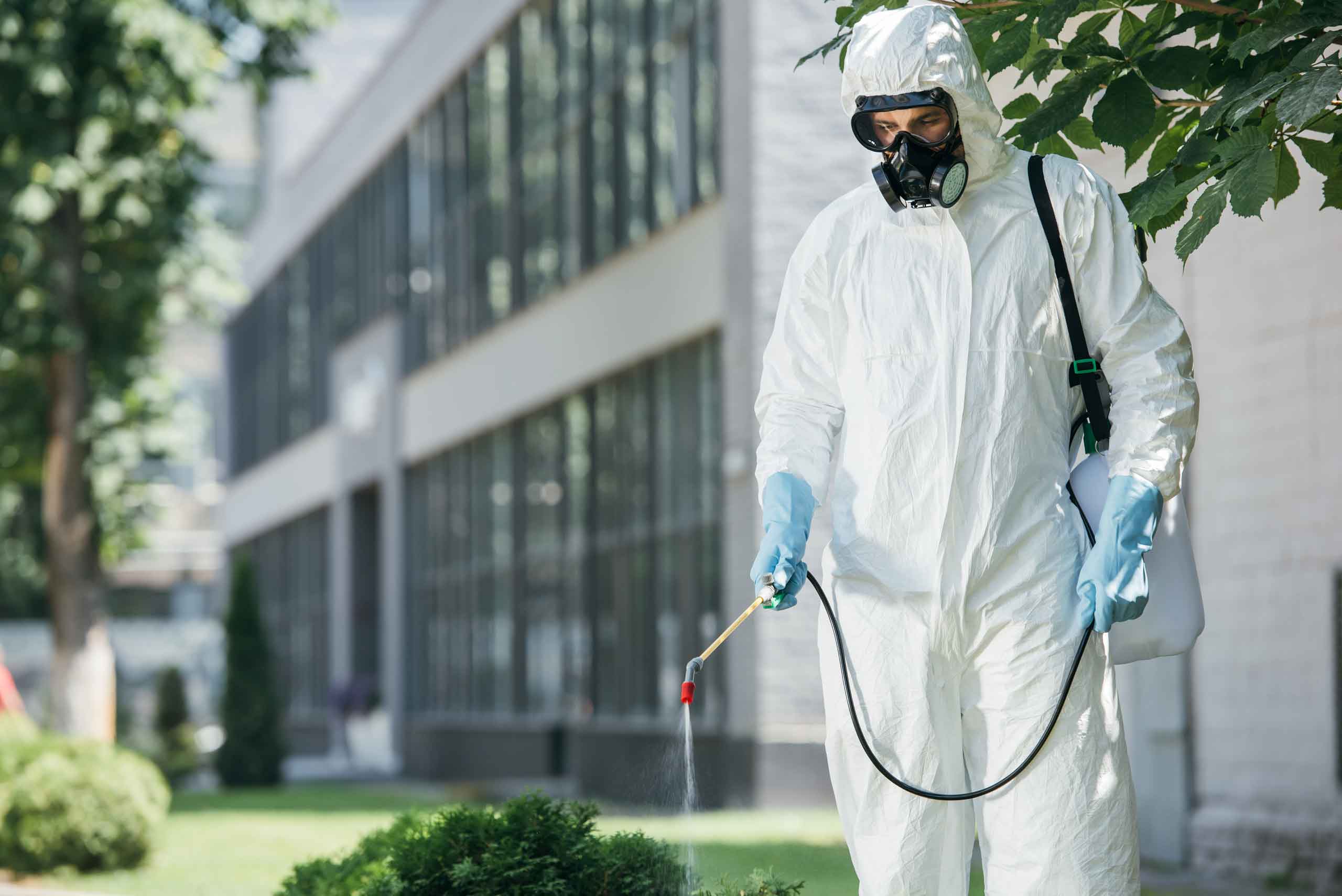

Years experience
Advanced termite treatment tailored to Sweetwater homes.
Family-safe and pet-safe solutions that protect without harsh chemicals.
Local experts with deep knowledge of Florida’s toughest termite species.
What we offer
Your trusted partner for complete termite & pest protection

Comprehensive termite inspections using advanced detection tools to identify hidden activity and structural risks.
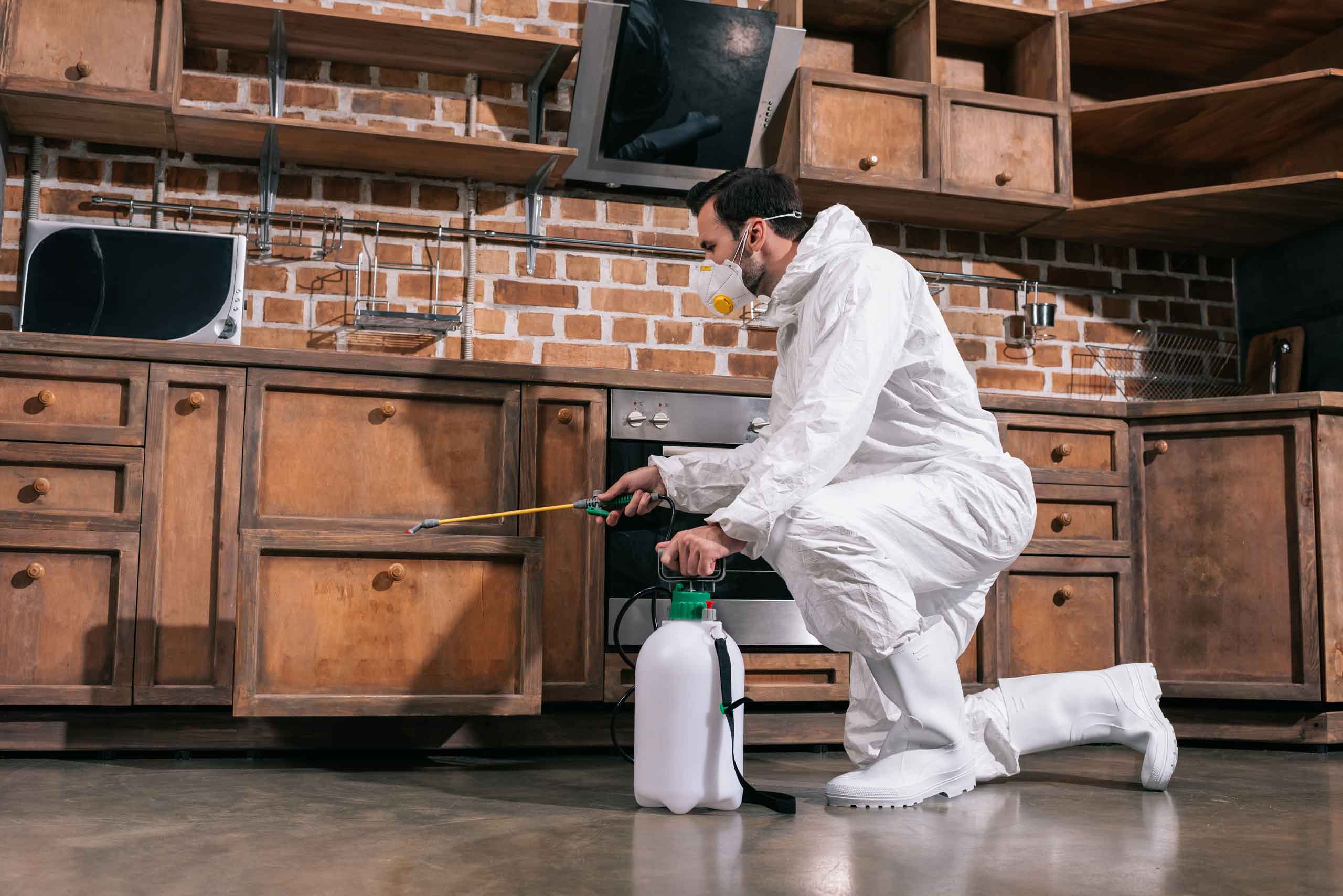
Targeted treatments designed to eliminate active termite colonies and protect your home from further damage.
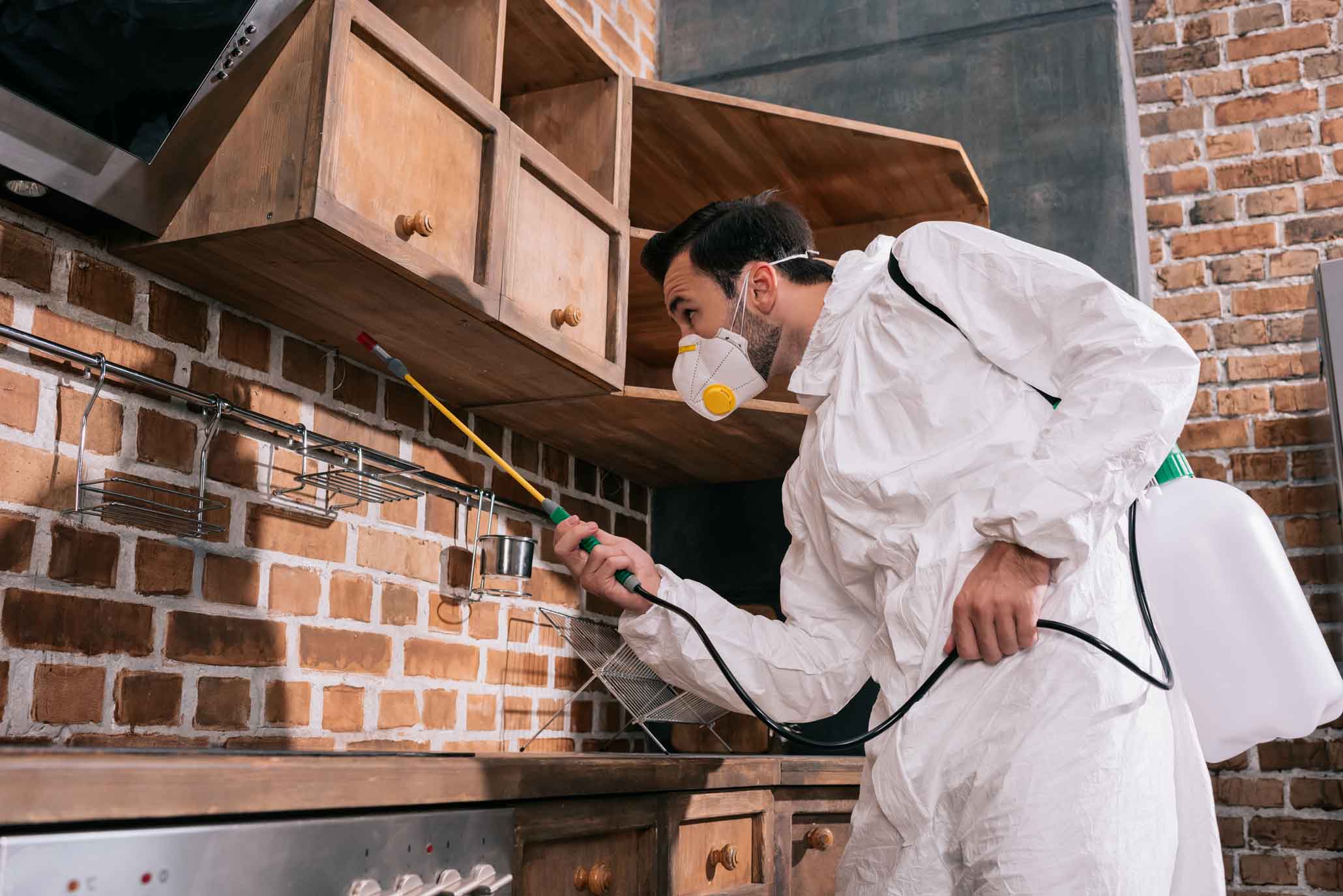
Long-lasting protection through soil treatments, baiting systems, and preventative barriers tailored to Sweetwater homes.
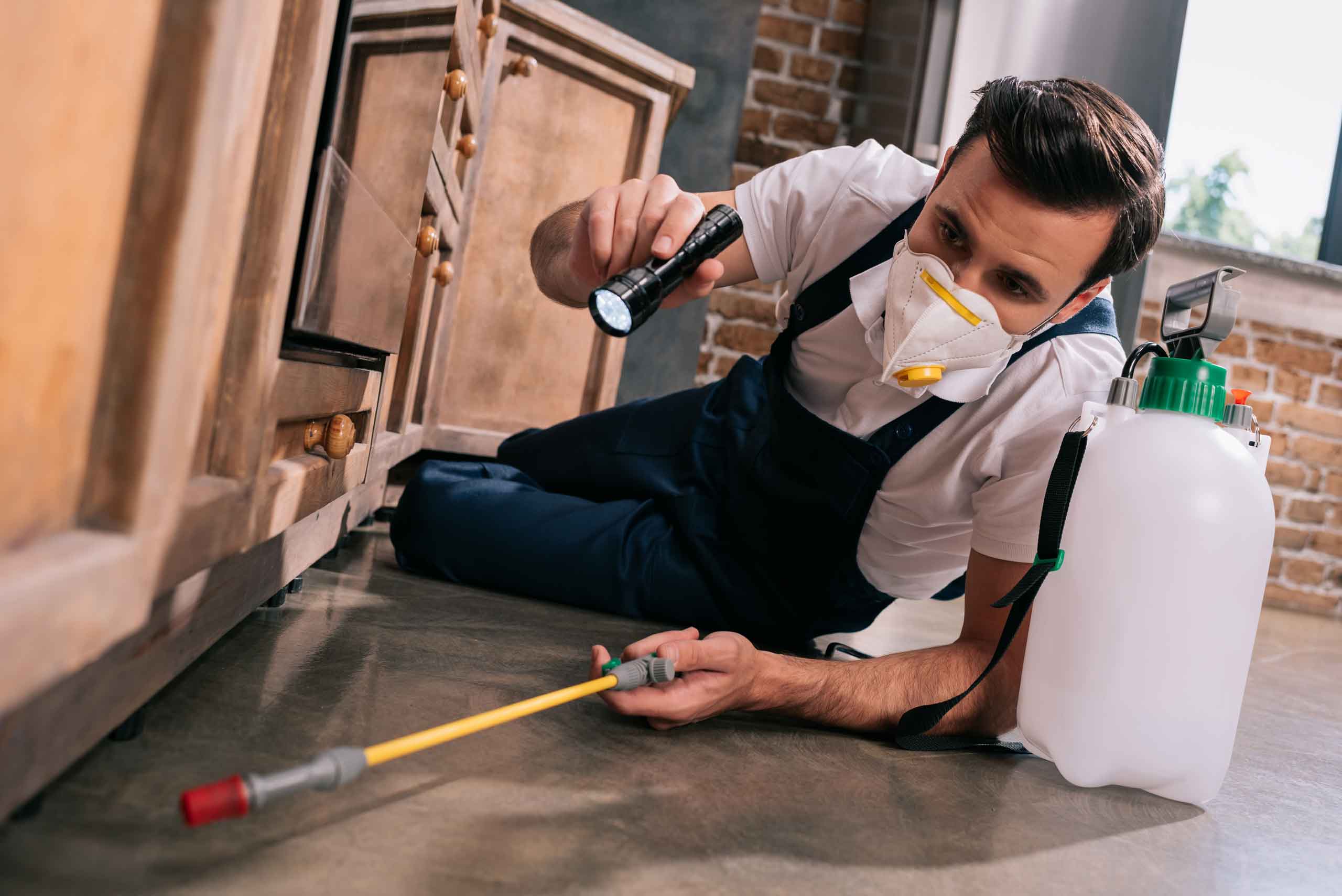
Full-structure fumigation for severe infestations, delivering complete removal of termites and wood-destroying pests.
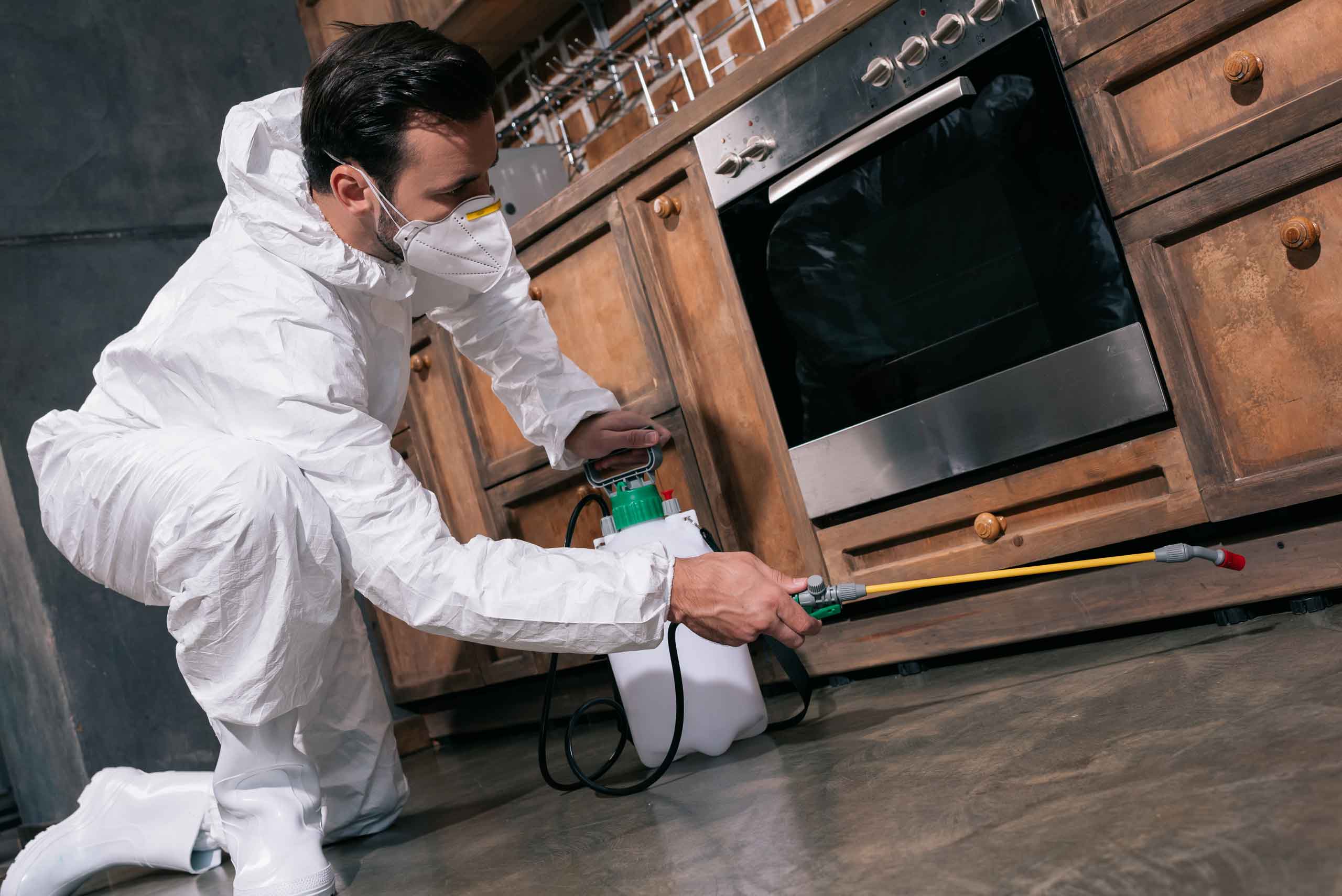
Fast and effective removal of ants, roaches, rodents, spiders, and other common Sweetwater pests—safe for families and pets.
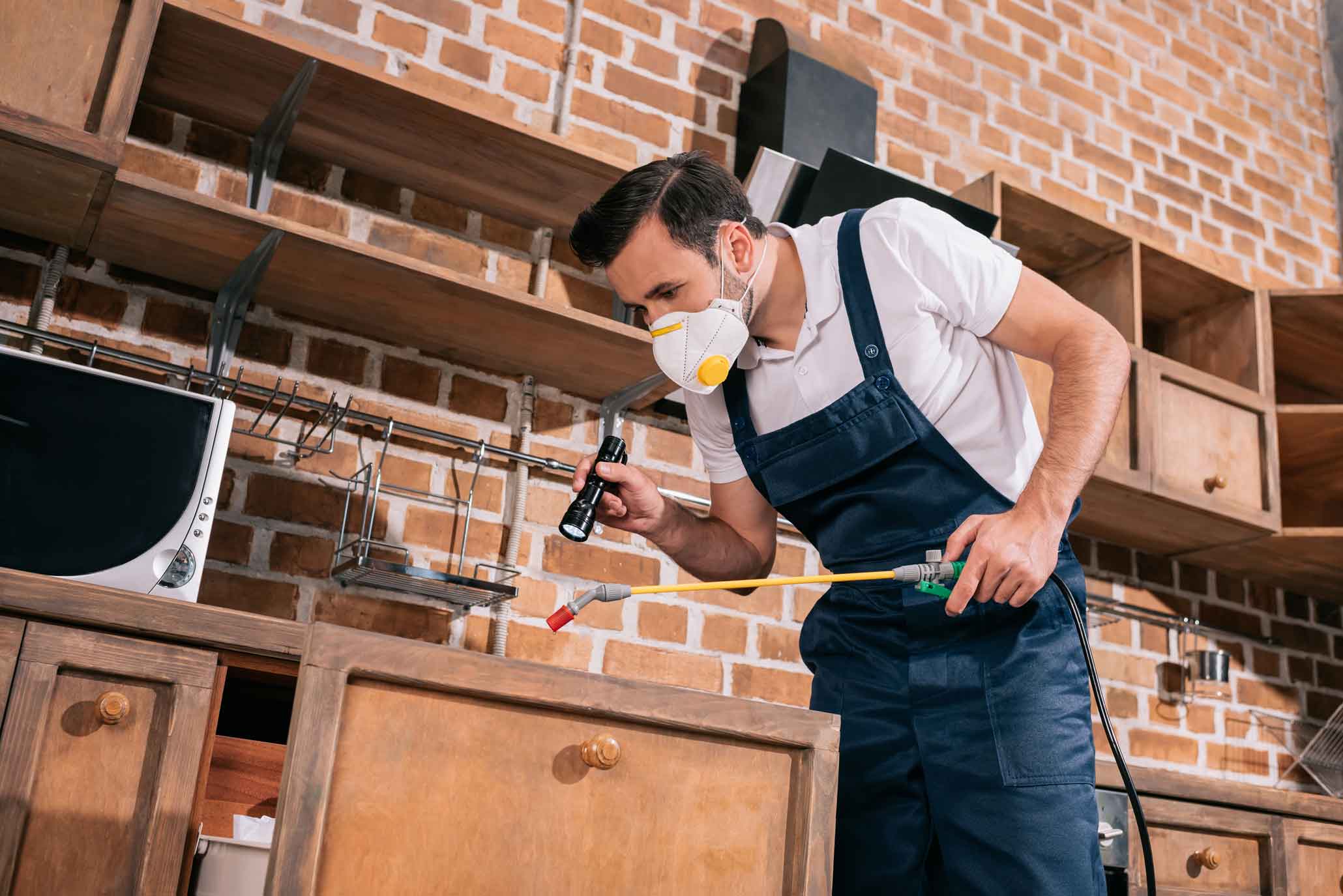
Specialized services to reduce moisture and protect wooden structures—helping prevent future termite activity.
Areas Served
City FL, Termite Exterminators
Testimonials
What Our Customers Say
Homeowners across Sweetwater trust us to protect their properties from costly termite damage. Here’s what some of our clients have to say about their experience with our team.

“Their inspection was incredibly thorough, and the technician took time to answer all my questions. I felt informed and reassured throughout the entire process. Highly recommend!”

We had a serious termite problem in our warehouse, and this pest control team handled it quickly and professionally. Their technicians were friendly, explained every step clearly

“We discovered termites in our attic and panicked. Miami Termite Defense came out the same day, explained everything clearly, and treated the problem quickly. Our home has been termite-free ever since.”

We had a serious termite problem in our warehouse, and this pest control team handled it quickly and professionally. Their technicians were friendly, explained every step clearly

“We signed up for their annual protection plan, and it’s the best decision we made. The team is always on time, professional, and great at keeping our home safe from termites.”

We had a serious termite problem in our warehouse, and this pest control team handled it quickly and professionally. Their technicians were friendly, explained every step clearly

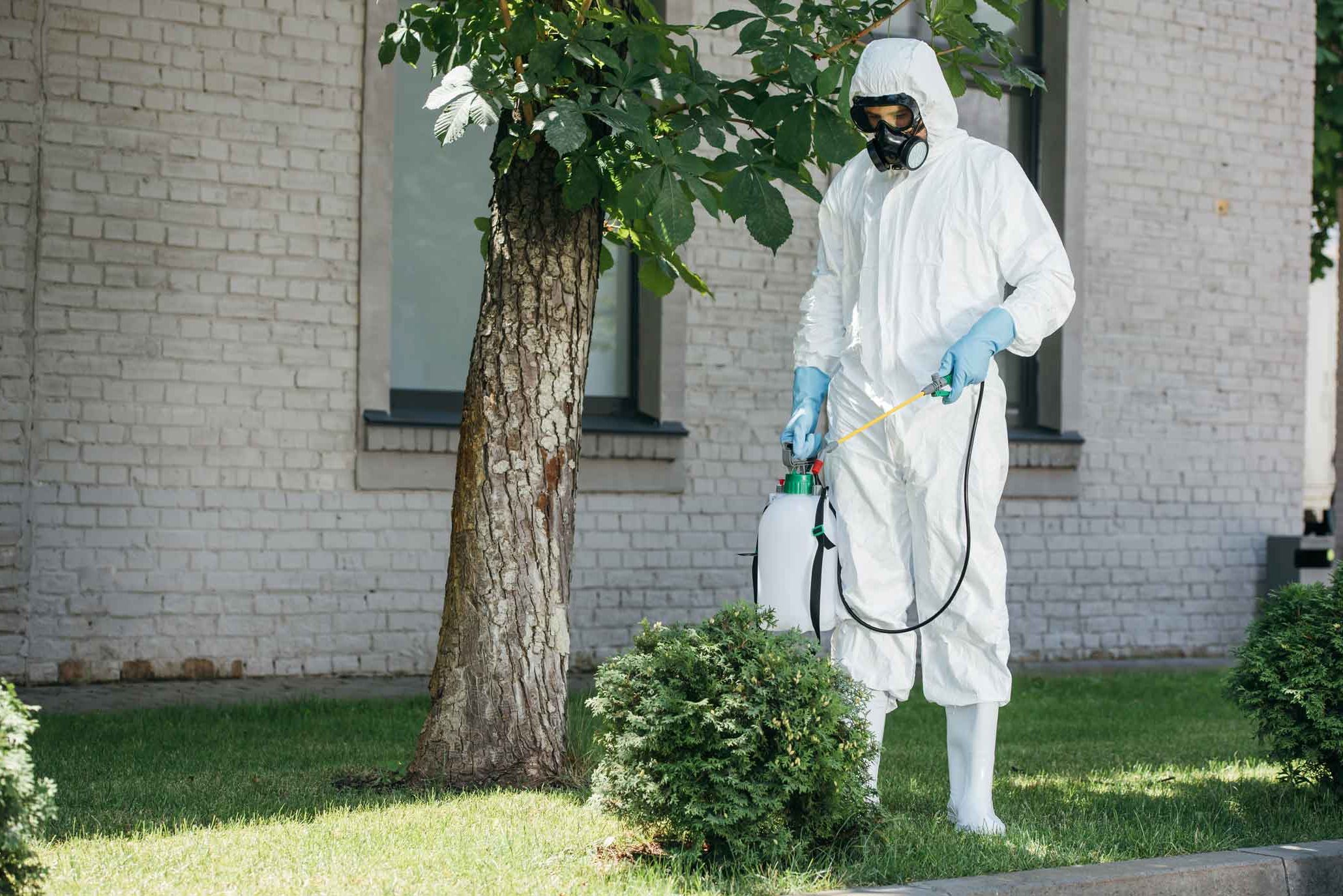
Why Choose Us
Trusted termite specialists protecting Sweetwater homes
Company Value
Where Trusted Expertise Meets Modern Termite Protection
To provide Sweetwater homeowners with the most reliable, high-quality termite protection available—ensuring safer, healthier homes for generations to come.
Our mission is to detect, eliminate, and prevent termite damage using modern treatment methods, expert technicians, and service built on integrity.
A simple promise backed by expertise, speed, and genuine care for our community.
Delivering trusted termite protection with care and integrity
- Trusted Experts
- Customer Focused
- Quality Driven
- Eco-Safe Products
Years Experience
Your reliable partner in termite-free living
We provide honest inspections, transparent pricing, and service built around your peace of mind.
We work closely with homeowners to build custom protection plans that fit your property and long-term needs.
Effective Termite Control Sweetwater FL: Comprehensive Uses, How It Works, and Key Insights
Termite control refers to the management and elimination of termite infestations to protect structures, crops, and other assets from damage caused by these pests. Termites are known for their ability to silently destroy wooden structures, furniture, and even non-wood materials like drywall or plastic under certain conditions. Effective termite control strategies involve a combination of prevention, monitoring, treatment, and ongoing management.
How Does a Bed Bug Exterminator Sweetwater FL Handle Infestations?
- Professional pest control experts conduct a detailed survey of the property to identify signs of termites.
- Common signs include mud tubes, hollowed-out wood structures, discarded wings, or droppings (frass).
- Treatment Options
There are several treatment methods available depending on the severity of infestation: - Chemical Barriers: Application of liquid termiticides around the foundation to create an impenetrable boundary for termites.
- Baiting Systems: Baits laced with slow-acting insecticides are strategically placed around the property to attract termites and spread poison within colonies.
- Fumigation: A whole-building approach where a structure is tented and treated with gas to eliminate infestation completely.
- Natural Treatments: Use of biological agents like nematodes or plant-based oils (e.g., neem oil) that deter or kill termites without chemicals.
- Monitoring Systems
Continuous surveillance using bait stations or periodic inspections ensures that termites do not re-infest after treatment has been applied. - Prevention Practices
Proactive measures include: - Reducing moisture levels in crawl spaces and basements (termites thrive in damp environments).
- Sealing cracks in foundations or walls.
- Using pre-treated woods resistant to termite damage during construction.
Effective Solutions for Rodent Control Sweetwater FL
| Use Case | Benefit |
| Residential Buildings | Protects furniture, wooden floors, structural beams from infestation. |
| Commercial Properties | Ensures safety for offices, warehouses, retail spaces with wooden elements. |
| Agriculture | Prevents crop loss caused by species like subterranean termites attacking roots. |
| Historical Preservation | Safeguards priceless artifacts such as ancient furniture or manuscripts from degradation. |
Key Insights into Effective Termite Control
- Early Detection is Crucial: The earlier an infestation is identified, the easier it is to manage without extensive damage.
- Tailored Solutions Work Best: No single approach fits all cases; combining treatments often yields optimal results.
- Technology Enhances Efficiency: Smart termite detection systems now use sensors and IoT technology for real-time monitoring.
- Regular Maintenance Saves Costs: Periodic inspections save homeowners significant repair costs by catching infestations early.
Termite control plays an essential role in protecting both personal properties and large-scale commercial investments against costly damages caused by these destructive pests. By implementing effective control measures combined with industry advancements in detection technologies and greener solutions for prevention and eradication, managing termites has become more efficient than ever before.
Effective Termite Control Steps for Homeowners in Sweetwater FL
Termite control is a crucial process for protecting structures, assets, and environments from the destruction caused by termites. To successfully manage and prevent termite infestations, following a structured approach is vital. Below are the four key steps in effective termite control, explained with clarity and practical insights.
1. Inspection and Identification
- Visual Assessment: Inspecting visible signs such as mud tubes, damaged wood, or discarded wings.
- Specialized Tools: Using advanced tools like moisture meters or infrared cameras to detect hidden activity.
- Identifying Termite Types: Understanding whether subterranean termites, drywood termites, or dampwood termites are present to determine specific treatment methods.
A comprehensive inspection not only pinpoints active infestations but also highlights areas prone to future risks.
| Common Signs of Termite Activity | Description |
| Mud Tubes | Pencil-sized tunnels near foundations |
| Hollow-Sounding Wood | Evidence of internal damage |
| Discarded Wings | Often found near windows or doors |
| Frass (Termite Droppings) | Resembling sawdust or wood pellets |
2. Treatment Planning
- Selecting an appropriate treatment method (chemical barriers, baiting systems, or natural remedies).
- Ensuring safety measures for humans and pets during application.
- Incorporating preventative strategies into the plan for long-term control.
Customized treatment plans ensure that efforts are targeted effectively while minimizing environmental impact.
3. Execution of Treatment Measures
- Chemical Barriers: Application of termiticides around foundations to block entry points.
- Baiting Systems: Installation of bait stations containing slow-acting toxins ingested by termites and spread within their colony.
- Fumigation: Sealing off an entire structure to apply gaseous pesticides for severe infestations in drywood termite cases.
- Natural Solutions: Using nematodes or boric acid as eco-friendly alternatives.
Each method serves different purposes based on infestation severity and site conditions.
4. Ongoing Monitoring and Maintenance
- Regular inspections every 6–12 months to detect new activity.
- Replenishing bait stations or reapplying barriers as required.
- Keeping environments less conducive to termites by reducing moisture levels or removing wood debris near structures.
By ensuring consistent follow-up efforts, homeowners and businesses can protect properties from potential reinfestation.
Key Steps for Effective Pest Control Sweetwater FL
| Step | Actions Involved | Purpose |
| Inspection | Visual checks, tool-based detection | Locate infestation and assess severity |
| Treatment Planning | Method selection, safety considerations | Design an effective action plan |
| Execution | Chemical treatments, baiting systems | Eliminate active colonies effectively |
| Monitoring & Maintenance | Scheduled inspections, upkeep procedures | Prevent reinfestation over time |
Adopting these four key steps ensures that termite problems are managed systematically while reducing risks for future infestations through proper prevention methods.
Comprehensive Guide to Pest Control Services Sweetwater FL for Homes and Businesses
Termites are among the most destructive pests globally, causing billions of dollars in structural damage annually. The need for effective termite control spans multiple industries and applications, making it critical to understand where and how these solutions are implemented.
Residential Sector: Protecting Homes
- Pre-construction treatments: Preventative barriers are applied to foundations during construction to deter termites.
- Soil treatments: Pesticides or termiticides are injected into the soil around a home, forming a chemical barrier.
- Bait systems: Bait stations containing slow-acting toxins are installed to eliminate termite colonies over time.
For homeowners, termite control not only protects property value but also ensures safety by mitigating risks associated with weakened structures.
Commercial and Industrial Applications
- Wood-use monitoring: Ensuring treated wood is used in construction projects for added protection.
- Integrated pest management (IPM) strategies: Combining physical barriers, chemical treatments, and regular inspections.
- Ongoing maintenance programs: Scheduled treatments to prevent large-scale infestations.
Industries such as warehousing, retail complexes, and hospitality facilities particularly benefit from structured pest control plans.
Agriculture Sector
- Crop protection: Termiticides may be applied directly to affected areas or fields at risk.
- Storage facility safety: Treatments prevent termites from infesting silos or wooden storage containers used for produce.
Effective termite management ensures increased yield protection while reducing economic losses for farmers.
Historical Buildings and Heritage Preservation
- Non-invasive treatments like microwave technology or heat-based extermination methods that do not damage delicate materials.
- Regular inspections paired with minimally invasive chemical applications for long-term preservation.
This specialized approach ensures that cultural heritage remains intact without introducing harmful chemicals that may degrade artifacts over time.
Top Pest Control Companies Sweetwater FL for Effective Termite Solutions
| Industry/Application | Most Common Methods | Benefits |
| Residential | Soil treatments, baiting | Protects home structure; cost-effective |
| Commercial/Industrial | IPM strategies | Scalable solutions; minimizes downtime |
| Agricultural | Crop termiticides | Prevents crop loss; protects profitability |
| Heritage Preservation | Heat/microwave treatments | Non-invasive; preserves historical materials |
Termite control is versatile across industries yet requires tailored approaches depending on specific risks involved. By understanding how different sectors leverage these solutions effectively, businesses and individuals alike can make informed decisions about their pest management needs.
Buyer’s Checklist for Choosing the Best Exterminator Sweetwater FL Services
When it comes to protecting your property from termites, selecting the right termite control solution is critical. A carefully chosen solution can save you time, money, and stress in addressing existing infestations or preventing future ones. Below is a buyer’s checklist designed to help you evaluate and choose the most effective termite control solution for your needs.
1. Assess Your Needs
- Extent of Infestation: Is it a small localized issue or a widespread infestation?
- Type of Termites: Are you dealing with subterranean termites, drywood termites, or dampwood termites? Different species require different treatment approaches.
- Property Type: Residential homes, commercial buildings, and agricultural structures often need tailored solutions due to varying levels of exposure and use cases.
2. Types of Termite Control Solutions
| Solution Type | Description | Best For | Limitations |
| Chemical Treatments | Use of termiticides applied into soil or wood | Long-term prevention | May require professional application |
| Bait Systems | Baits placed around property to attract termites | Monitoring & gradual removal | Effectiveness depends on placement |
| Wood Treatments | Application directly onto wooden surfaces | Protecting timber structures | Requires reapplication over time |
| Heat Treatments | Non-chemical method using controlled heat | Homes & furniture | Requires specialized equipment & skills |
| Biological Control | Use of natural predators like nematodes | Eco-friendly pest management | Limited scalability |
3. Evaluate Service Providers
If opting for professional pest control services:
– Certifications: Verify that companies hold valid licenses and certifications such as those from state pest control boards or governing bodies like the National Pest Management Association (NPMA).
– Experience: Look for providers with expertise in addressing the specific type of termite infestation you’re facing.
– Reputation: Check customer reviews, testimonials, and Better Business Bureau (BBB) ratings for credibility.
– Warranties/Guarantees: Ensure they offer warranties on their work to give you peace of mind in case retreatments are needed.
4. Consider Environmental Impact
Eco-conscious buyers may want to prioritize solutions that minimize environmental harm while being effective at eliminating termites:
– Look for products labeled as low-toxicity or EPA-approved safe alternatives.
– Consider integrated pest management (IPM) techniques that combine preventative measures with targeted treatments to reduce overall chemical use.
5. Budget Considerations
While affordability is important, the cheapest option isn’t always the best when it comes to termite control solutions. Evaluate costs against factors such as long-term effectiveness and potential savings from avoiding extensive structural repairs.
Things to consider in your budget evaluation include: – Initial treatment costs (product/service fees).
– Ongoing maintenance or follow-up treatments. – Potential damage repair expenses if untreated areas are missed.
By using this comprehensive checklist during your decision-making process, you’ll be better equipped to select a termite control solution that offers both effectiveness and value while meeting your specific requirements.
Future Outlook for Extermination Sweetwater FL: Trends, Challenges, and Innovations in 2025
As we look toward the future of termite control in 2025, it becomes clear that this field is poised for significant advancements driven by technological innovation, environmental considerations, and evolving consumer demands. Understanding these emerging trends and challenges will be essential for pest control professionals, researchers, and industries affected by termites. Below are some key areas shaping the future outlook of termite control.
Trends in Termite Control
- There is a growing demand for environmentally safe termite treatments that minimize ecological impact.
- Innovations such as bio-based pesticides derived from natural sources are expected to gain traction.
- The integration of Integrated Pest Management (IPM) principles will likely become more widespread to reduce reliance on chemical-heavy methods.
- Smart sensors capable of detecting early signs of termite infestations are becoming more sophisticated.
- Automated baiting systems with real-time monitoring may see increased adoption in both residential and commercial settings.
- Mobile apps and software solutions for tracking treatments and monitoring infestations are likely to continue evolving.
- Baiting systems may see improvements in terms of faster colony elimination rates and enhanced durability under harsh environmental conditions.
- Research into attractants specific to different termite species is expected to yield more targeted approaches.
- Building materials incorporating anti-termite properties, such as treated woods or innovative synthetics, could reduce overall vulnerability to termites.
- Nanotechnology might play a role in developing coatings or additives with long-term resistance against termites.
Challenges Facing the Industry
- Stricter government regulations regarding pesticide use might limit the availability of certain chemical treatments.
- Compliance with new standards could lead to higher development costs for manufacturers.
- Rising temperatures could expand termite habitats into regions previously unaffected by infestations.
- Shifting climate patterns may require ongoing research into how different termite species adapt to new environments.
- Cutting-edge technologies like automated baiting systems or smart detection tools may remain cost-prohibitive for smaller businesses or individual homeowners initially.
- Over time, certain termite populations may develop resistance to traditional chemical treatments.
- Ongoing research into alternative solutions will be critical to address this challenge.
Innovations Shaping 2025
| Innovation Type | Description | Potential Benefits |
| Bio-Based Pesticides | Derived from naturally occurring compounds | Reduces environmental impact; safer usage |
| AI-Powered Monitoring | AI systems detect infestations early | Prevents extensive damage; lowers costs |
| Modular Bait Stations | Customizable based on infestation severity | Enhances effectiveness; increases targeting precision |
| Anti-Termite Construction Materials | Materials resistant to termites’ activity | Long-term defense against infestations |
Preparing for the Future
- Continuing education programs should focus on equipping pest management specialists with knowledge about eco-friendly technologies and advanced detection tools.
- Collaboration between researchers, manufacturers, and policymakers will help create sustainable pest control ecosystems that meet both regulatory requirements and consumer expectations.
- Investing in research on specific regional impacts—such as changes in termite behavior due to climate shifts—will allow targeted adaptation strategies.
By focusing on these priorities, stakeholders across the industry can ensure they remain prepared while contributing positively toward a more sustainable approach to termite control moving forward into 2025 and beyond.